Are You Really Out of Alignment? What You Need to Know Before Your Next Adjustment

“I think my hips are out of alignment.”
“My pelvis feels shifted.”
“My sacrum must be twisted.”

These are phrases we hear all the time at Cohen Health and Performance. If you’ve ever said something similar—or been told this by a friend or provider—you’re not alone. The idea of being “out of alignment” is a commonly held belief and often used to explain nagging pain or movement issues. But here’s the truth:

Your body is built to move—and that includes your pelvis.

Understanding “Misalignment”

Let’s clear something up: your pelvis, hips, and sacrum are supposed to move. With every step you take, your pelvis naturally rotates, shifts, and adapts. This isn’t dysfunction—it’s a sign of a healthy, dynamic system.

The sensation of being twisted or “off” often comes from the body favoring one side over the other. It’s not that you’re structurally broken. It’s that your movement patterns are biased—and over time, those biases can create imbalances that feel like misalignment.

Why Do We Get Stuck in These Patterns?

Most people have a natural tendency to favor one side, especially the right. Why?

  • We’re mostly right-handed
  • We carry kids, bags, or groceries on the right
  • Even society is designed for right-handers (think door handles, tools, etc.)

This daily repetition subtly trains our bodies to prefer the right side. Over time, this can show up in the gym—like when one leg feels stronger during a leg press—or in daily life, where you feel “off” or stuck on one side.

But here’s the important part: you don’t need to be cracked, popped, or adjusted repeatedly to fix it.
You need a plan to address the underlying cause.

A Smarter Approach to Feeling “Realigned”

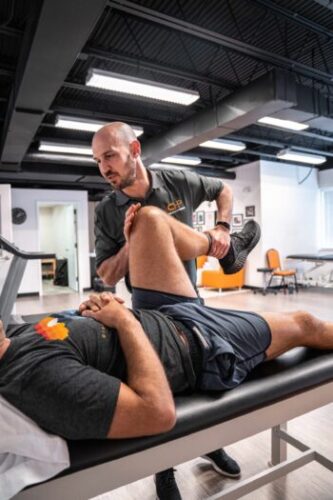
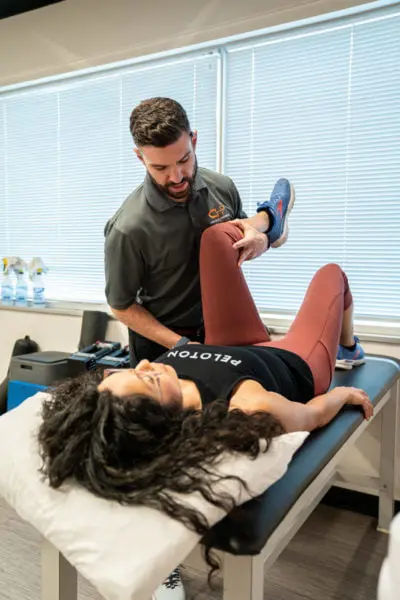
One of our go-to exercises at Cohen Health and Performance (see the video at the beginning for a demonstration) is a drill that retrains how the body pushes off the right side to shift weight to the left. Here’s what it looks like:

  • Lying on your back with your right foot on a wall
  • Left leg lifted with the hip in flexion
  • Pushing through the arch of the right foot to activate the right glute

This simple but effective movement mimics what your glute should do during walking, sprinting, or cutting—helping you get off the right side and balance your body’s movement patterns.

Done consistently, drills like this can help you:

  • Reduce your reliance on constant adjustments
  • Improve strength and control in underused muscles
  • Feel more balanced and symmetrical in daily life and workouts

Physical Therapy That Addresses the Root Cause

At Cohen Health and Performance, our goal isn’t just to “fix” you temporarily.
We help you understand why you feel off in the first place—and give you the tools to stay better aligned through movement, not manipulation.

Whether you’re looking for physical therapy in Bethesda or physical therapy in McLean, our team specializes in performance-based care that empowers you to move better, feel stronger, and stay pain-free.

Ready to Stop Chasing Adjustments?

If you feel like your body is out of alignment—or you’ve been told that it is—it’s time to dig deeper. Contact us today to schedule an evaluation. We’ll help you understand what’s really going on and create a plan that actually sticks.

The most common sports injury in physical therapy right now

Physical Therapy for Fall Sports: Preventing Soft Tissue Injuries in High School Athletes

As fall sports kick into high gear, it’s no surprise that we’re seeing an increase in soft tissue injuries at our Bethesda and McLean physical therapy clinics. This trend is particularly noticeable among athletes involved in sports like football and soccer, where dynamic, multi-directional movements are essential. These activities often lead to soft tissue injuries, especially in the hip region, making physical therapy a crucial component of an athlete’s recovery and injury prevention strategy.

The Importance of Hip Muscle Balance in Physical Therapy

Field sport athletes rely heavily on their hip muscles to perform the various movements required in their sports. Unlike athletes who primarily run in straight lines, such as sprinters, these athletes need strong and balanced hip muscles to manage the demands of quick lateral movements, sudden stops, and directional changes. This is where physical therapy plays a vital role in maintaining muscle balance and preventing injuries.

The hip is controlled by four primary muscle groups:

– Glutes and Hip Flexors: Manage forward and backward movement.
– Abductors: Located on the outside of the hip, these muscles control side-to-side or lateral movements.
– Adductors: Found in the groin or inner thigh, these muscles also control lateral movement.

Sports that involve significant lateral movements, such as hockey and field sports, place additional stress on the abductors and adductors. If these muscles are not properly conditioned and balanced, overuse or strain injuries can occur, making physical therapy essential for maintaining strength and preventing injuries.

The Critical Strength Ratio in Sports Physical Therapy

One key aspect of physical therapy for athletes is ensuring a balanced strength ratio between the adductors and abductors to reduce the risk of groin injuries. Ideally, athletes should aim for a 1:1 strength ratio between these muscle groups. Research in physical therapy has shown that when the adductor-to-abductor strength ratio drops below 0.8, the risk of sustaining a groin strain increases by 17 times.

Maintaining this balance is crucial because an imbalance can lead to one group of muscles being overworked and more susceptible to injury. For instance, if the adductors are significantly weaker than the abductors, a common issue identified during physical therapy assessments, they may not provide adequate support to the hip during lateral movements, leading to a higher risk of groin injury.

Strengthening Exercises in Physical Therapy to Prevent Groin Injuries

To reduce the risk of groin injuries, athletes should focus on strengthening both the adductors and abductors through targeted exercises in their physical therapy routine.

1. Copenhagen Plank for Adductor Strength

– Objective: Strengthen the inner thigh muscles (adductors).
– How to Perform: Aim for 3 sets of 30-45 second holds.
– Why It Works: This exercise is highly effective at building up the adductor muscles, which are crucial for stability and control during lateral movements, a key focus in physical therapy.

2. DNS Side Plank for Hip Abductor Strength

– Objective: Strengthen the outer hip muscles (abductors).
– How to Perform: Try 3 sets of 12 reps.
– Why It Works: This exercise helps develop the abductor muscles, which are essential for maintaining balance and power during side-to-side movements, a critical part of physical therapy for athletes.

Ongoing Physical Therapy Assessment and Training

It’s important for athletes to regularly assess their hip strength throughout the season as part of their physical therapy routine. Hip strength can fluctuate due to the demands of the sport, making it essential to continually work on these muscles beyond regular practice sessions. Scheduling an assessment with a sports physical therapy specialist can provide valuable insights into an athlete’s hip strength and highlight areas that may need additional focus.

For athletes beginning fall sports, reducing the risk of groin injuries should be a top priority. By maintaining a balanced strength ratio between the adductors and abductors, and by incorporating targeted physical therapy exercises into their training routine, athletes can significantly decrease their risk of injury. This proactive approach not only helps prevent injuries but also enhances overall performance on the field or rink.

Remember, in sports, as in life, balance is key. By focusing on the strength and balance of your hip muscles through physical therapy, you’re setting yourself up for a successful and injury-free season.

If you or your athlete has suffered an injury at the start of this fall season, now is the time to take action. Contact us for a physical therapy assessment to understand the issue, address it effectively, and prevent it from escalating into a bigger problem that may keep you off the field longer.

This increases your groin injury risk by 17 times!

This week, we’re excited to feature another guest post by Dr. Samuel Kinney. Dr. Kinney is a performance physical therapist at our McLean location. You can learn more about Dr. Sam here.

As a sports physical therapist and someone who is passionate about maximizing human performance, I’m constantly intrigued by the unique challenges athletes face in different sports. Field sport athletes and hockey players, in particular, encounter distinct movement demands due to the dynamic, multi-directional nature of their sports.

Unlike athletes who primarily run in straight lines, such as sprinters, field sport athletes and hockey players rely heavily on their hip muscles. This continuous, varied use of the hips puts them at a higher risk of injury, especially in the hip and surrounding muscles. Gaining a deep understanding of the anatomy and demands of these sports is essential for both injury prevention and achieving peak performance.

The hips are driven by four primary muscle groups. The glutes and hip flexors manage forward and backward movement, while the abductors (located on the outside of the hip) and adductors (found in the groin or inner thigh) control lateral or side-to-side movements. Sports involving a lot of lateral movement, like skating, place extra stress on the abductors and adductors, making them more prone to overuse or strain injuries.

Maintaining a balance in muscle strength is crucial. Ideally, we aim for a 1:1 strength ratio between these muscle groups. If an athlete’s adductor-to-abductor strength ratio drops below 0.8, their risk of suffering a groin strain skyrockets by 17 times.

To reduce the risk of hip injuries, it’s essential for athletes to focus on strengthening both the adductors and abductors equally. Keep in mind that hip strength can fluctuate throughout the season, so it’s vital to work on these muscles beyond regular practice sessions.

Wondering about the strength ratio of your hips? I suggest scheduling an appointment with one of our sports physical therapy specialists to assess your hip strength. This proactive step could significantly reduce your risk of groin injuries during the season.

For those eager to start strengthening their adductors and abductors, here are two exercises to include in your routine:

1. Copenhagen Plank for Adductor Strength: Aim for 3 sets of 30-45 second holds. This exercise is excellent for building up your inner thigh muscles.


2. DNS Side Plank for Hip Abductor Strength: Try 3 sets of 12 reps. This exercise helps strengthen the outer hip muscles, which are essential for lateral movements.

Remember, whether in sports, physical therapy, performance training, or life, balance is key. By maintaining a balanced strength ratio in your hips, you’re not only preventing injuries but also optimizing your performance on the field or rink.

What Is That Hip Pinch?

Have you ever experienced an annoying “pinchy” sensation in the front of your hip? Many patients are referred to physical therapy for other regions of the body (back pain being the most common) and mention this uncomfortable sensation in passing.

Typically this occurs with movements like deep squatting. This “pinch” occurs as the ball of the hip (the femoral head) glides forward excessively and presses against the soft tissues located in the front of the joint.

This forward movement is normal however it is important be mindful of where the socket of the joint (acetabulum) is positioned as well.

Often times, pinching occurs in the front of the hip due to a poorly positioned hip socket.

The good news is that we can reposition the hip socket so that your hip does not pinch as easily!

There are many great drills that help with this however the Shifted Single Leg 90/90 Hip Lift is a great one to start with (this is also a great movement to get the hips/pelvis moving before running). In this video, the left hip socket is being oriented into a position that will result in less pinching.

  1. Start by lying on your back with hips/knees bent at 90 degrees and feet on a wall
  2. Slowly pull your heels down towards the ground as you reach your knees towards the ceiling. Your tailbone will slowly lift off of the ground and you should begin feeling your hamstrings working.
  3. Without moving your feet, shift 1 hip/knee down as the other hip/knee shifts up. As you shift one hip/knee down, ensure that you are pulling towards the ground with that heel. You should feel that specific hamstring cooking at this point!
  4. Pick the opposite foot up off the wall while maintaining the hip shift
  5. Hold this position while taking a relaxed breath in through the nose, followed by a long exhale out through the mouth before pausing for 5 seconds. Perform this for 5 cycles.

As with all exercises, they should be specifically tailored to your particular needs and unique physical qualities. Schedule a FREE phone consultation with a member of our physical therapy team on our website to determine how to most effectively implement an exercise like this into your program!

CHP Spotlight Interview: Dr. Scott Faucett

Do not miss this interview with internationally renowned orthopedic surgeon, Dr. Scott Faucett! Dr. Cohen and Dr. Faucett discussed a myriad of different topics that pertain to the worlds of physical therapy, athletics, performance, and surgical medicine. This interview is a MUST SEE if you are experiencing any hip or knee pain, or simply wish to learn more so that you can increase the longevity of these joints!

Reach out to Dr. Faucett via the information below

scottfaucettmd.com

(202) 912-8480

clinical@scottfaucettmd.com

×