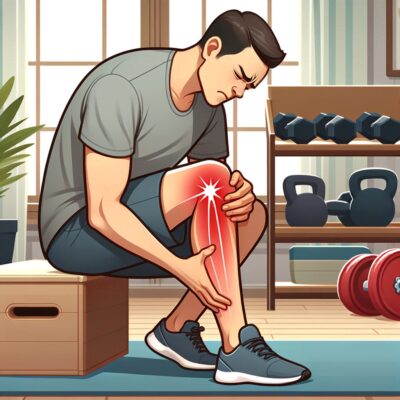
Therapy For Knee Pain: How to Prepare Your Body for Ski and Snowboard Season

Winter is here, and with it comes ski and snowboard season. After a fresh snowfall and a morning spent shoveling the driveway, I was reminded how quickly winter sports sneak up on us. I also thought back to a trip I took out west last year. It was an amazing experience, but I remember feeling more sore afterward than I had in years past.

As I approach 40, I have realized something many skiers and snowboarders experience. You cannot get away with the same preparation you once did.

If you ski or snowboard and deal with knee pain, or want to avoid it altogether, a little intentional preparation can make a significant difference. This is where knee pain physical therapy becomes especially valuable.

Why Skiing and Snowboarding Stress the Knees

Both skiing and snowboarding place repeated, high-load demands on the knees. Every turn, landing, edge change, and deceleration sends force through the knee joint. By the end of the day, fatigue sets in, technique changes, and the risk of pain or injury rises.

For snowboarders, rotational forces through the hips and knees are constant. Controlling the board requires the knees to tolerate twisting forces while staying stable. Skiers face repeated knee flexion and extension under load, especially when carving or navigating uneven terrain.

If you have ever noticed your knees becoming sore late in the day, struggling to carve clean turns, or feeling stiff after a trip, those are signs your body may not be fully prepared for the demands of the sport.

Our team sees this every winter, which is why knee pain physical therapy is one of the most common reasons skiers and snowboarders come into our clinics.

You can learn more about common causes of knee pain we treat here:
 Knee Pain Physical Therapy in Bethesda and McLean

The Role of Strength, Endurance, and Control

One of the biggest misconceptions is that knee pain is only about weakness. In reality, skiing and snowboarding demand a combination of strength, muscular endurance, and control.

Most gym exercises are performed in mid-range positions for short sets. On the mountain, however, your knees live in deeper positions for long periods of time. This means your muscles must sustain force, not just produce it briefly.

In knee pain physical therapy, we often shift training to better match sport demands. This may include:

  • Longer sets with moderate loads to build endurance
  • Hinge-based exercises such as RDL and deadlift variations
  • Controlled rotational drills to improve knee and hip stability
  • Landing and deceleration training to prepare for jumps and terrain changes

Small programming changes like increasing reps from 5 to 10 or 12 can significantly improve how your knees tolerate a full day on the slopes.

Why Falls Matter for Knee and Joint Health

Falls are part of skiing and snowboarding. When they happen, the body often ends up in vulnerable positions. Knees, shoulders, wrists, and elbows are commonly exposed to sudden forces.

Most people train strength with their arms and legs close to their body. Injuries, however, tend to occur when limbs are farther away. Part of effective knee pain physical therapy includes preparing the body to tolerate force in these vulnerable positions.

This means incorporating drills that teach the body how to absorb force quickly and safely, helping protect the knees and surrounding joints when things do not go as planned.

If you have had a previous knee injury, this type of preparation becomes even more important. You can read more about how we approach post-injury knee rehab here:
Sports Physical Therapy for Knee Injuries

Do Not Forget About Ankles and Feet

Knee pain is often influenced by what is happening above and below the joint. Boots and bindings limit ankle mobility, which changes how force is transferred through the legs.

Snowboarders, in particular, know the burning sensation in the shins that can build up when riding the toe edge or getting stuck on flats. If the ankles and shins fatigue, the knees often compensate.

A comprehensive knee pain physical therapy program will address ankle strength, endurance, and control to reduce unnecessary stress on the knees.

Skill Level Matters

The demands on your knees vary depending on how you ski or ride. Higher-level skiers and snowboarders who ride steeper terrain or hit jumps experience much higher forces through the knees.

In these cases, plyometric training and controlled jumping drills are often incorporated to prepare the knees for rapid deceleration and landing forces. These drills are progressive and tailored to the individual, not random high-impact exercises.

This is a core principle of how we approach knee pain physical therapy for active adults and athletes.

Keep It Simple and Consistent

Preparing for ski and snowboard season does not require an overhaul of your workouts. In fact, simpler is usually better.

Choose two or three drills that closely match the demands of your sport. Spend five to ten minutes incorporating them into your warm up two to three times per week. This approach is often more effective than long, exhausting workouts that are difficult to sustain.

Consistency matters more than complexity.

When Knee Pain Physical Therapy Can Help

If you already have knee pain, a history of injury, or want a personalized plan to prepare for ski or snowboard season, knee pain physical therapy can help you address the root cause rather than just managing symptoms.

This is something we see consistently every winter at our Bethesda and McLean clinics. Our goal is to help you enjoy longer days on the mountain with fewer setbacks.

If you would like to learn more or schedule an evaluation, visit:
Schedule a Physical Therapy Evaluation


Skiing and Snowboarding Physical Therapy FAQs

Q: Why do skiers and snowboarders commonly experience knee pain?
A: Skiing and snowboarding place repeated rotational and impact forces on the knees. Fatigue, poor muscular endurance, limited mobility, or prior injuries can increase stress on the knee joint, leading to pain during or after time on the slopes.

Q: How can knee pain physical therapy help before ski season?
A: Knee pain physical therapy helps identify strength, mobility, and control deficits that increase injury risk. A targeted program improves knee stability, muscular endurance, and force absorption to better prepare the body for skiing and snowboarding demands.

Q: Should I do physical therapy even if I don’t currently have knee pain?
A: Yes. Preventive knee pain physical therapy can reduce injury risk, improve performance, and help you tolerate longer days on the mountain by preparing your joints and muscles for winter sport demands.

Q: What exercises help prevent knee pain for skiing and snowboarding?
A: Common exercises include hinge-based strength work, controlled rotational drills, landing mechanics training, and muscular endurance exercises. These movements better match the real demands placed on the knees during skiing and snowboarding.

Q: How often should I train to prepare my knees for ski season?
A: Incorporating 5 to 10 minutes of targeted knee-focused drills into your warm-up two to three times per week is often sufficient to build resilience and reduce knee pain risk.

Your Physical Therapy Guide to Knee Pain Relief

Is Your Knee Pain Trying to Tell You Something? Here’s When to Listen

Knee pain doesn’t always shout—it often whispers.

Maybe it started as a dull ache after a workout or a twinge when walking down stairs. It’s easy to brush it off, thinking some rest and ice will do the trick. And sometimes, it does. But what happens when the pain lingers longer than expected?

That’s when it’s time to listen more closely—and consider physical therapy as your next step.

Why Physical Therapy Should Be Your First Stop for Knee Pain

When knee pain doesn’t go away within a few days—or even worsens—it’s easy to assume you need to see an orthopedic specialist right away. But here’s the truth: a qualified physical therapist is often the best place to start.

Not only is knee pain physical therapy more accessible and cost-effective than many medical appointments, but sports-trained physical therapists can also help identify the root cause, guide treatment, and decide if additional medical care is needed.

If your knee discomfort lasts more than a week or starts interfering with your daily activities, it’s time to schedule an evaluation.

Common Causes of Knee Pain Physical Therapy Can Help

Every knee injury is unique, and so is its solution. Below are several conditions we treat regularly with great success at Cohen Health and Performance:

Meniscus Injuries

The meniscus cushions your knee joint and is prone to tearing—especially in sports or twisting movements. In many cases, physical therapy can match the results of surgery, improving strength, mobility, and long-term function without going under the knife.

Knee Ligament Sprains

Injuries to the ACL, MCL, or other ligaments often benefit from a structured rehab plan. A combination of support (like bracing), strengthening, and functional exercises can help you return to your normal routine safely and confidently.

Osteoarthritis (OA)

If you have stiff, achy knees in the morning or after sitting, you may be dealing with OA. Physical therapy helps strengthen the muscles around your joint, improve mobility, and reduce the stress on the knee—giving you better control over symptoms without relying solely on medications.

Patellofemoral Pain Syndrome

This condition, often felt as pain around the kneecap, can stem from many sources: muscle imbalances, poor mechanics, or even your footwear. A skilled physical therapist will assess the entire kinetic chain—from hips to feet—to develop a personalized treatment plan that addresses the root cause.

Post-Fracture Rehab

If you’ve suffered a knee fracture, physical therapy is essential for restoring normal motion, rebuilding strength, and safely transitioning back to walking, stairs, and eventually higher-level activities.

Signs Your Knee Pain Needs Immediate Medical Care

While most types of knee pain are appropriate for physical therapy, some situations call for immediate medical attention. Contact your doctor if you experience:

  • Inability to bear weight or straighten your knee
  • Noticeable deformity or severe swelling
  • Feeling like your knee might “give out”
  • Persistent redness and warmth
  • Intense tenderness in your calf (possible sign of a blood clot)
  • Fever or general malaise along with swelling (could indicate infection)

Choosing the Right Knee Pain Physical Therapy Provider

Not all physical therapists are the same. When dealing with a knee injury, make sure you work with someone who:

  • Specializes in sports and orthopedic rehab
  • Understands the demands of your lifestyle or sport
  • Builds custom plans based on your goals and movement patterns

At Cohen Health and Performance, we bring elite-level care to active adults and athletes across Bethesda and McLean. Whether you’re looking to avoid surgery, recover from injury, or simply move better with less pain, our team is here to help.

Let’s Get You Moving Again

Don’t let knee pain limit your life. If it’s been nagging you for more than a few days, or you’re tired of managing it on your own, we’re ready to help.

Book your physical therapy evaluation at our McLean or Bethesda location today—and take the first step toward lasting relief.

Still Struggling with Knee Pain? Why Physical Therapy May Be the Missing Link

At Cohen Health and Performance, we recently worked with an athlete who came to us months after injuring his knee during a workout at the gym. After seeing his doctor, he was told there was nothing structurally wrong—no damage on imaging, no major red flags. The advice? Take a couple of weeks off and slowly return to exercise.

Fast forward several months, and he was still modifying workouts and struggling with lingering pain and frustration.

Sound familiar?

This scenario is incredibly common—especially among active individuals dealing with chronic knee pain. Whether you’re a weekend warrior, a gym enthusiast, or a competitive athlete, you may have been told to rest, stretch, or foam roll your way out of pain. And yet, the discomfort persists.

Why Traditional Approaches Often Fall Short

Most general advice focuses on reducing symptoms—not solving the root cause. Many rehab programs stop as soon as pain decreases or when daily activities become tolerable again. But for those who want to lift heavy, sprint, or change direction on the field, this simply isn’t enough.

Effective therapy for knee pain needs to go beyond the basics. It should train your knees to handle the specific stresses of your sport or activity.

For example, sports that involve cutting and multidirectional movement place your knees in angled, high-force positions. If your rehab never prepares you for those forces—if your shin is never loaded at those angles during training—you’re setting yourself up for continued breakdown.

The Importance of Load-Specific Training

To truly recover and thrive, the tendons and muscles around the knee—especially the patellar tendon and quad tendon—must be reconditioned to tolerate the demands of real movement. Whether you’re jumping, landing, or squatting under load, your knees must be gradually exposed to the stresses they’ll face in the real world.

That’s why our rehab process includes drills and exercises tailored to your goals. Below is an example from our specialist, Dr. Cat, demonstrating exercises that teach the knee how to absorb and produce force under real-world conditions.

By gradually increasing load and focusing on the angles and demands of your sport, we prepare the knee—and the entire lower body—to handle life beyond the treatment table.

Don’t Let Knee Pain Linger

If you’ve been dealing with chronic knee issues, tried resting, icing, stretching, or following online exercise videos with no real progress, it’s time to dig deeper. At Cohen Health and Performance, we take a comprehensive look at your movement patterns, strength, mobility, and sport-specific demands to uncover why your knee pain persists—and how therapy for knee pain in Bethesda can fix it for good.

We don’t just want to help you feel better.

We want to get you back to training, competing, and living life without limitations.

Ready to Get to the Root of Your Knee Pain? 
Contact us today to schedule a comprehensive evaluation and find out how therapy for knee pain can help you move better, feel stronger, and finally leave knee pain behind.

How a physical therapist will help you conquer knee pain

Decoding the Subtle Signs of Knee Pain: When to Seek Help

Knee pain often begins as a subtle, almost mysterious discomfort that doesn’t always require immediate attention from a professional. Many instances of knee pain develop gradually, remain mild, or appear after exercise, only to fade away with some at-home care. Simple remedies like rest, ice, compression, elevation, and careful use of anti-inflammatory medications are often the first line of defense against these occasional knee aches.

But how do you know when knee pain has escalated from a minor issue to something that requires professional intervention? The answer lies with skilled sports physical therapists. Their expertise, developed through rigorous training, allows them to determine whether knee pain can be managed with physical therapy or if it requires a physician’s care. Since physical therapy is usually more accessible and cost-effective than a doctor’s visit, it’s wise to consider a physical therapist as your first option for knee pain that persists beyond a week. If your symptoms last longer than this, it’s time to schedule an evaluation.

Understanding Knee Conditions That Physical Therapy Can Treat

Knee pain isn’t a one-size-fits-all problem; it encompasses a variety of conditions that physical therapy can effectively address. These range from sudden injuries to chronic issues, each requiring a specific treatment approach.

Meniscus Tear

The meniscus, which serves as the knee’s natural shock absorber, can suffer tears, but physical therapy is often a strong alternative to arthroscopic surgery. Recent studies show that physical therapy can provide results similar to surgery in improving knee function, even two years after the injury. The physical therapy approach combines muscle strengthening with stretching, focusing on enhancing the muscles around the knee to better absorb shocks and fine-tuning daily movements to reduce pain during activities like walking and squatting. This progression eventually leads to more advanced, sport-specific movements.

Knee Ligament Sprain

Similar to the treatment for a meniscus tear, a knee ligament sprain may initially require bracing or taping to support the knee, reduce swelling, and alleviate pain. The physical therapy plan for this condition includes strengthening exercises, improving range of motion, balance training, and gradually returning to pre-injury activities.

Osteoarthritis (OA)

For chronic conditions like knee osteoarthritis (OA), physical therapy focuses on strengthening the muscles around the knee, much like the supports of a building, to help them absorb daily impacts with ease. Stretching is essential to maintain the knee’s range of motion and protect it from further injury. Physical therapy may also involve modifying daily activities or refining movement patterns to reduce pain during routine tasks, such as standing up from a chair. A home exercise program, designed by a physical therapist, can serve as a long-term strategy for managing knee OA.

Patellofemoral Pain Syndrome

Patellofemoral pain syndrome is a complex condition that requires a thorough physical therapy evaluation. The cause could be anything from your footwear to the strength of your hips. Whether the solution involves foot orthotics to realign the patella or hip-strengthening exercises to correct knee alignment, physical therapy is tailored to address the specific factors contributing to this type of knee pain.

Physical therapists also play a crucial role in the rehabilitation of knee fractures, helping patients regain strength, flexibility, and the ability to perform everyday activities like walking and climbing stairs.

When to Seek Immediate Medical Attention

While many forms of knee pain can be managed with physical therapy, certain symptoms signal the need for immediate medical care:

– Inability to bear weight on your knee or bend it past a right angle
– Visible deformities in your leg or knee
– A feeling of instability, as if your knee might give way
– Persistent pain that doesn’t improve with home care
– Swelling and redness that don’t respond to elevation
– Severe tenderness in the calf, which could indicate deep vein thrombosis
– Swelling, redness, general malaise, and/or fever, which may suggest an infection

Choosing the Right Physical Therapist for Knee Pain

When seeking a physical therapist for knee pain, look for someone who specializes in sports and orthopedic injuries and has extensive experience with these conditions.

Physical therapy for knee pain is a blend of science and art, requiring a keen eye and a skilled practitioner. It combines expert knowledge, personalized care, and evidence-based practices—all aimed at restoring harmony to your knees and getting you back to your normal activities.

If you’ve read this far, you know there’s no better team than ours at CHP. Contact us today to schedule your physical therapy evaluation at our McLean or Bethesda facility!

×