Maybe You Don’t Need Rotator Cuff Surgery After All…

When someone hears the words “rotator cuff tear,” the first thought is often surgery. But many people with rotator cuff tears (even full-thickness ones) get better without ever going under the knife. At Cohen Health & Performance, we see this every day, and the latest research continues to back it up.

What the Research Says About Rotator Cuff Tears

At the Mid-Atlantic Shoulder and Elbow Symposium, Dr. John Kuhn of Vanderbilt University presented a study following nearly 500 patients with rotator cuff tears. His team found that 75% of patients improved with physical therapy alone—even when the tears were large or full-thickness, as long as they were atraumatic (developed over time, not from a sudden injury).

Even more impressive? These results held up over 10 years. Many patients regained shoulder function, reduced their pain, and returned to the activities they enjoyed, without surgery.

Other studies show that even when rotator cuff repairs are performed, the repaired tissue often re-tears. Surprisingly, many patients still feel better functionally after rehab. This suggests that the real difference-maker may be the physical therapy and rehabilitation process, not just the surgery itself.

Why Rotator Cuff Physical Therapy Works

So how does physical therapy help when the rotator cuff itself is damaged? At CHP, our shoulder physical therapy programs focus on much more than just the torn tendon. We work to strengthen and coordinate the entire shoulder complex, including:

  • Rotator cuff strengthening: Targeted exercises to build resilience in the cuff itself.
  • Scapular control: Training the muscles around the shoulder blade to support the shoulder joint effectively.
  • Trunk and core integration: Teaching your body how to move as a unit so your shoulder isn’t overloaded during sports or daily activities.

By improving strength, mechanics, and control, we help the shoulder function more efficiently, reducing pain and restoring performance, even in the presence of a tear.

When Surgery Still Makes Sense

Of course, surgery isn’t off the table for everyone. In cases of traumatic injury (like falling directly on the arm), or when physical therapy fails to provide relief, surgical repair may be the right option. But in many cases, trying shoulder physical therapy first is the safer, more effective, and less invasive choice.

Should You Try Physical Therapy Before Surgery?

If you have shoulder pain or a diagnosed rotator cuff tear, you don’t have to rush into surgery. The best next step is often a structured program of shoulder physical therapy.

The worst-case scenario? It doesn’t solve the issue, and surgery becomes necessary.
The best-case scenario? You avoid surgery altogether and get back to the activities you love—stronger than before.

If you are ready to take the next step, contact us and schedule your evaluation to solve your shoulder pain and return to the activities that you love.

Shoulder Pain Physical Therapy: Understanding and Managing Shoulder Instability

In just a couple of weeks, I’ll be part of a panel at the Mid-Atlantic Shoulder and Elbow Society Conference, sitting alongside several orthopedic surgeons as the lone physical therapy representative. Our panel topic: shoulder instability—a complex condition that affects many active adults and young athletes.

Why Shoulder Instability Matters

Shoulder instability is a challenging issue because it can be caused by a variety of factors and present in several different ways. The shoulder is the most mobile joint in the human body, but that same mobility makes it the most unstable.

With great mobility comes great responsibility. When the ligaments and tendons that normally stabilize the shoulder can’t provide enough support, the demand shifts to our muscles and nervous system to keep the joint under control. This is where physical therapy becomes essential.

How Physical Therapy Helps with Shoulder Pain and Instability

A well-designed rehab program for shoulder instability doesn’t just treat pain—it addresses the underlying mechanics that protect the joint and restore performance. Proper physical therapy can:

  • Improve ribcage and shoulder blade control – helping reduce stress on the shoulder joint.
  • Strengthen the rotator cuff – allowing it to more effectively stabilize the joint during activity.
  • Integrate improvements into movement strategies that carryover to sport – ensuring athletes and active adults can safely return to the demands of their sport or daily life.

Rehab vs. Surgery: Making the Right Choice

While there are times when surgery is necessary, physical therapy for shoulder pain and instability can often help determine whether non-surgical care is a viable option. The best surgery is the one you can avoid. Once a shoulder has been operated on, it’s never quite the same—the tissue has been altered, and function changes over time.

That’s why early intervention is so important, especially for young athletes such as baseball players who place high demands on their shoulders. Addressing pain and instability early can make all the difference in avoiding long-term damage and reducing the likelihood of surgery.

Take Action Early

If you or your athlete is dealing with shoulder instability or persistent shoulder pain, don’t wait. Getting evaluated by a skilled physical therapist can help you understand the cause, create a personalized plan, and in many cases, avoid the need for surgery.

From the Field to the Physical Therapy Clinic: Common Fall Sports Injuries We’re Seeing

The fall sports season is officially here in the DC area!

Athletes are returning from their summer break, easing back into practices, and—unfortunately—we’re already starting to see a familiar trend in our clinics: a rise in sports-related injuries.

At Cohen Health and Performance, with locations in McLean and Bethesda, we work with athletes every fall who develop issues as they ramp up their training and competition schedules. Whether it’s a cranky knee, a sore ankle, hip discomfort, or a soft tissue strain, these injuries can derail a season before it really gets going.

Why Are Athletes Getting Injured at the Start of the Season?

The start-of-season injury spike often happens for two main reasons:

  1. Sudden Increase in Training Volume
    Some athletes simply aren’t fully prepared for the jump in intensity that comes with daily practices, scrimmages, and games. Even if they’ve stayed active over the summer, their bodies may not be ready for the sport-specific demands of their season.
  2. Mismatch Between Off-Season Training and In-Season Demands
    Many athletes train hard in the summer—lifting weights, running, and following conditioning plans from coaches—but those workouts don’t always replicate the unpredictable, reactive movements of live gameplay. Without that sport-specific preparation, even well-trained athletes can still get hurt.

The Importance of Sport-Specific Preparation

The best off-season training programs start general and gradually become more specific to the sport as the season approaches. This ensures the athlete’s muscles, tendons, and ligaments are ready for the exact movements they’ll face on the field or court.

For example, football is highly reactive—players must change direction quickly in response to opponents. Our video above shows one hurdle based drill that we use in our McLean and Bethesda physical therapy clinics. The athlete reacts to an unpredictable cue, changing direction while clearing hurdles—just like they might have to do in a game. This type of training prepares the body for rapid deceleration, re-acceleration, and sudden direction changes.

Why Deceleration Training Matters

Many injuries, especially hamstring strains, happen during deceleration—when the body must slow down rapidly. The hamstring works hardest when it’s putting on the brakes during sprinting, and if it’s not prepared for that high force, injury risk skyrockets.

That’s why we integrate drills designed to strengthen the hamstring’s ability to decelerate quickly, reduce injury risk, and keep athletes competing at their best.

Free Injury Consultations for High School Athletes

Right now, our McLean physical therapy location is offering free injury consultations for high school athletes returning to play.

If your son or daughter is:

  • Complaining about pain in a joint or muscle
  • Recovering from a recent sports injury
  • Feeling “off” since the season began

…our team can help identify the problem, address it quickly, and get them back to playing without missing significant time.

These consultations are performed by our expert sports physical therapy team in McLean, including myself, Dr. Matt, and Dr. Sam. We’ll assess the injury, pinpoint the cause, and provide sport-specific drills to get the athlete back to full strength as quickly as possible.

Don’t Wait—Act Early

The earlier we address sports injuries, the faster athletes can return to pain-free performance. If you’re in the McLean or Bethesda area and want to make sure an injury doesn’t sideline your athlete this season, contact us today to schedule an appointment.

Are You Really Out of Alignment? What You Need to Know Before Your Next Adjustment

“I think my hips are out of alignment.”
“My pelvis feels shifted.”
“My sacrum must be twisted.”

These are phrases we hear all the time at Cohen Health and Performance. If you’ve ever said something similar—or been told this by a friend or provider—you’re not alone. The idea of being “out of alignment” is a commonly held belief and often used to explain nagging pain or movement issues. But here’s the truth:

Your body is built to move—and that includes your pelvis.

Understanding “Misalignment”

Let’s clear something up: your pelvis, hips, and sacrum are supposed to move. With every step you take, your pelvis naturally rotates, shifts, and adapts. This isn’t dysfunction—it’s a sign of a healthy, dynamic system.

The sensation of being twisted or “off” often comes from the body favoring one side over the other. It’s not that you’re structurally broken. It’s that your movement patterns are biased—and over time, those biases can create imbalances that feel like misalignment.

Why Do We Get Stuck in These Patterns?

Most people have a natural tendency to favor one side, especially the right. Why?

  • We’re mostly right-handed
  • We carry kids, bags, or groceries on the right
  • Even society is designed for right-handers (think door handles, tools, etc.)

This daily repetition subtly trains our bodies to prefer the right side. Over time, this can show up in the gym—like when one leg feels stronger during a leg press—or in daily life, where you feel “off” or stuck on one side.

But here’s the important part: you don’t need to be cracked, popped, or adjusted repeatedly to fix it.
You need a plan to address the underlying cause.

A Smarter Approach to Feeling “Realigned”

One of our go-to exercises at Cohen Health and Performance (see the video at the beginning for a demonstration) is a drill that retrains how the body pushes off the right side to shift weight to the left. Here’s what it looks like:

  • Lying on your back with your right foot on a wall
  • Left leg lifted with the hip in flexion
  • Pushing through the arch of the right foot to activate the right glute

This simple but effective movement mimics what your glute should do during walking, sprinting, or cutting—helping you get off the right side and balance your body’s movement patterns.

Done consistently, drills like this can help you:

  • Reduce your reliance on constant adjustments
  • Improve strength and control in underused muscles
  • Feel more balanced and symmetrical in daily life and workouts

Physical Therapy That Addresses the Root Cause

At Cohen Health and Performance, our goal isn’t just to “fix” you temporarily.
We help you understand why you feel off in the first place—and give you the tools to stay better aligned through movement, not manipulation.

Whether you’re looking for physical therapy in Bethesda or physical therapy in McLean, our team specializes in performance-based care that empowers you to move better, feel stronger, and stay pain-free.

Ready to Stop Chasing Adjustments?

If you feel like your body is out of alignment—or you’ve been told that it is—it’s time to dig deeper. Contact us today to schedule an evaluation. We’ll help you understand what’s really going on and create a plan that actually sticks.

Your Physical Therapy Guide to Knee Pain Relief

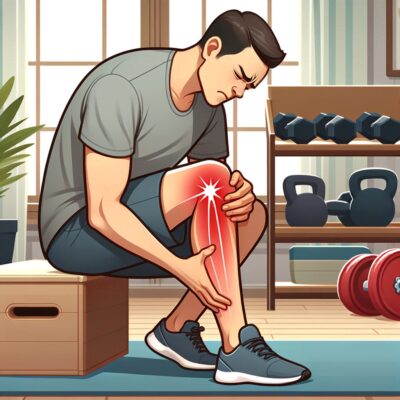
Is Your Knee Pain Trying to Tell You Something? Here’s When to Listen

Knee pain doesn’t always shout—it often whispers.

Maybe it started as a dull ache after a workout or a twinge when walking down stairs. It’s easy to brush it off, thinking some rest and ice will do the trick. And sometimes, it does. But what happens when the pain lingers longer than expected?

That’s when it’s time to listen more closely—and consider physical therapy as your next step.

Why Physical Therapy Should Be Your First Stop for Knee Pain

When knee pain doesn’t go away within a few days—or even worsens—it’s easy to assume you need to see an orthopedic specialist right away. But here’s the truth: a qualified physical therapist is often the best place to start.

Not only is knee pain physical therapy more accessible and cost-effective than many medical appointments, but sports-trained physical therapists can also help identify the root cause, guide treatment, and decide if additional medical care is needed.

If your knee discomfort lasts more than a week or starts interfering with your daily activities, it’s time to schedule an evaluation.

Common Causes of Knee Pain Physical Therapy Can Help

Every knee injury is unique, and so is its solution. Below are several conditions we treat regularly with great success at Cohen Health and Performance:

Meniscus Injuries

The meniscus cushions your knee joint and is prone to tearing—especially in sports or twisting movements. In many cases, physical therapy can match the results of surgery, improving strength, mobility, and long-term function without going under the knife.

Knee Ligament Sprains

Injuries to the ACL, MCL, or other ligaments often benefit from a structured rehab plan. A combination of support (like bracing), strengthening, and functional exercises can help you return to your normal routine safely and confidently.

Osteoarthritis (OA)

If you have stiff, achy knees in the morning or after sitting, you may be dealing with OA. Physical therapy helps strengthen the muscles around your joint, improve mobility, and reduce the stress on the knee—giving you better control over symptoms without relying solely on medications.

Patellofemoral Pain Syndrome

This condition, often felt as pain around the kneecap, can stem from many sources: muscle imbalances, poor mechanics, or even your footwear. A skilled physical therapist will assess the entire kinetic chain—from hips to feet—to develop a personalized treatment plan that addresses the root cause.

Post-Fracture Rehab

If you’ve suffered a knee fracture, physical therapy is essential for restoring normal motion, rebuilding strength, and safely transitioning back to walking, stairs, and eventually higher-level activities.

Signs Your Knee Pain Needs Immediate Medical Care

While most types of knee pain are appropriate for physical therapy, some situations call for immediate medical attention. Contact your doctor if you experience:

  • Inability to bear weight or straighten your knee
  • Noticeable deformity or severe swelling
  • Feeling like your knee might “give out”
  • Persistent redness and warmth
  • Intense tenderness in your calf (possible sign of a blood clot)
  • Fever or general malaise along with swelling (could indicate infection)

Choosing the Right Knee Pain Physical Therapy Provider

Not all physical therapists are the same. When dealing with a knee injury, make sure you work with someone who:

  • Specializes in sports and orthopedic rehab
  • Understands the demands of your lifestyle or sport
  • Builds custom plans based on your goals and movement patterns

At Cohen Health and Performance, we bring elite-level care to active adults and athletes across Bethesda and McLean. Whether you’re looking to avoid surgery, recover from injury, or simply move better with less pain, our team is here to help.

Let’s Get You Moving Again

Don’t let knee pain limit your life. If it’s been nagging you for more than a few days, or you’re tired of managing it on your own, we’re ready to help.

Book your physical therapy evaluation at our McLean or Bethesda location today—and take the first step toward lasting relief.

Why Shoulder Injuries Are So Complex

At Cohen Health and Performance, we specialize in physical therapy in Bethesda and physical therapy in McLean for active adults and athletes who want to get back to the activities they love. One of the most common mistakes we see in traditional care—yes, even among other physical therapists—is a failure to appreciate how complex the shoulder really is.

The shoulder is the most mobile joint in the entire body. That’s what makes it so essential: reaching, throwing, lifting, pushing, and pulling all require freedom of motion. But that same mobility also opens the door to a ton of possible compensations and dysfunctions when something isn’t moving well.

Your Shoulder Isn’t Just a “Ball-and-Socket”

Think of your shoulder like a golf ball sitting on a tee. The ball is your humeral head (upper arm bone), and the tee is the glenoid (part of your shoulder blade or scapula). But that “tee” isn’t grounded into the earth—it’s actually floating on your rib cage. That means your shoulder’s stability is influenced by your rib cage shape, position, and even how you breathe.

Most providers stop at the shoulder joint itself. But for us at Cohen Health and Performance, whether it’s physical therapy in McLean or physical therapy in Bethesda, we know that treating shoulder pain means looking beyond the joint.

If the shoulder blade doesn’t sit securely on the rib cage, the muscles around it—like the upper traps or rhomboids—often work overtime to stabilize things, leading to tightness, knots, and nagging pain in the upper back or neck.

The Rib Cage is the Unsung Hero


One of the foundational drills we use to retrain shoulder mechanics involves placing your forearms on the wall. Here’s the key:

  • Straight line from wrist to elbow
  • Externally rotate through the shoulders
  • Use your rib cage—not your arms—to press back into the shoulder blades. Perform 5 breaths in this position.

A cue we love: Imagine a hot poker hovering in front of your sternum. Your job? Pull away from it without slumping forward. This activates a crucial muscle called the serratus anterior, which helps anchor your scapula and sets the stage for clean, pain-free movement.

Getting the Shoulder Blade Moving Again


Once you’ve created a supportive rib cage, the shoulder blade (scapula) can do its job again—mainly rotating upward as your arm reaches overhead.

A simple but effective exercise to improve this scapular movement is Downward Dog:

  • Start in a push-up (or all 4’s) position
  • Press away from the floor with your hands
  • Drive your chest toward your knees
  • Focus on feeling the shoulder blades rotate upward and outward

This kind of targeted movement work is exactly what we emphasize in our programs for physical therapy in Bethesda and physical therapy in McLean. Without proper scapular motion, your rotator cuff is forced to overwork—and that’s when breakdowns happen.

What About the Rotator Cuff?

Only after we’ve addressed rib cage position and scapular movement do we move to the rotator cuff. By this point, rotator cuff exercises are finally in the right environment to be effective—rather than just throwing rubber band exercises at a deeper problem that hasn’t been solved yet.

Final Thoughts: There’s Hope for Your Shoulder

If you’ve had shoulder treatment in the past and it didn’t work—or if you’ve been dealing with shoulder pain for months or even years—don’t lose hope.

The truth is, shoulder pain is multifactorial. It can stem from poor rib cage positioning, scapular movement limitations, limited mobility, or underdeveloped rotator cuff function. And many healthcare providers simply don’t take the time to look at all of these layers.

That’s where we come in.

If you’re looking for expert-level physical therapy in Bethesda or physical therapy in McLean that goes beyond surface-level care, contact us today. Our team of Doctors of Physical Therapy will work with you to get to the root of your shoulder pain and get you back to doing what you love—stronger and smarter than ever.

×