In sports physical therapy, one of the most important lessons we teach athletes and parents is this:
The source of pain is not always the source of the problem.
This concept often explains why some injuries keep coming back, even when you feel like you are doing everything right.
A Real Example from a Throwing Athlete
An elite baseball pitcher was dealing with persistent elbow pain.
He had done everything you would expect from a high-level rehab program. His shoulder was strong, his arm was well-conditioned, and his core and mobility were all where they needed to be.
Yet every time he returned to throwing, the pain came back.
The breakthrough came from looking outside the obvious area.
The issue was actually coming from his big toe. An irritated toenail was affecting how he pushed off the mound. That small change altered how force traveled up his body, forcing his arm to take on more stress and ultimately leading to elbow pain.
Once that was addressed, his symptoms improved.
The Body Works as a System
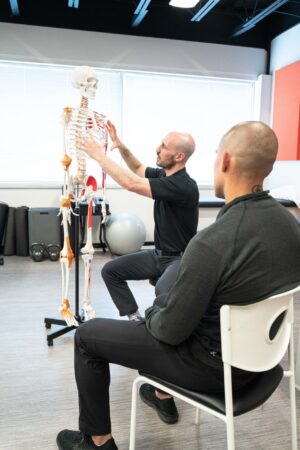
In sports physical therapy, we always evaluate the body as a connected system.
Movement and force do not happen in isolation. They travel through the entire body, often referred to as the kinetic chain.
For throwing athletes, power starts from the ground and moves up through:
- The foot and ankle
- The knee and hip
- The trunk and core
- The shoulder, arm, and elbow
If there is a breakdown anywhere along this chain, another area will compensate. Over time, that compensation can lead to pain or injury.
Why This Matters for Athletes
This principle applies to more than just baseball players.
Runners, for example, may develop knee pain due to limitations at the hips or ankles. Athletes in any sport can experience symptoms that originate from a completely different part of the body.
In sports physical therapy, we often see:
- Shoulder pain linked to poor trunk control
- Knee pain influenced by hip weakness
- Elbow pain driven by lower body mechanics
Focusing only on the area that hurts can miss the bigger picture.
How Sports Physical Therapy Solves the Root Cause
The goal of sports physical therapy is not just to reduce pain. It is to identify and address the underlying cause.
This involves:
- Evaluating movement patterns across the entire body
- Identifying weak links in the kinetic chain
- Improving strength, mobility, and coordination where needed
- Ensuring force is distributed efficiently during sport
By taking this full-body approach, we can reduce the risk of recurring injuries and improve overall performance.
The Key Takeaway
If an injury keeps coming back despite doing all the “right” things, it may be time to look beyond the area of pain.
Sports physical therapy focuses on the bigger picture, helping athletes understand how their entire body contributes to movement and performance.
Addressing the true source of the problem, not just the symptoms, is often the key to long-term success.
