As the weather improves, many runners start increasing their mileage again. Whether you took time off during the winter or reduced your training, spring often marks a return to consistent running.
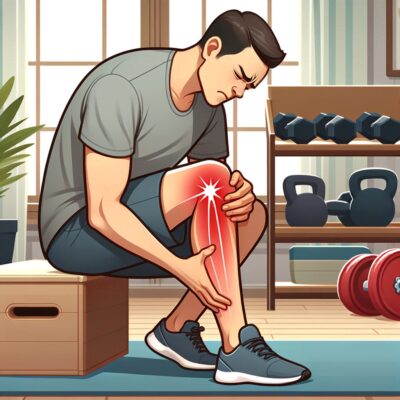
In sports physical therapy, this is one of the most common times we see an increase in knee pain.
The pattern is predictable.
You ease back into running. Your breathing feels good. Your endurance returns quickly. Then suddenly, your knee starts to feel irritated.
So what is actually happening?
Why Knee Pain Shows Up When You Feel “In Shape”
One of the biggest misconceptions we see in sports physical therapy is equating cardiovascular fitness with readiness to handle load.
Your lungs and heart adapt quickly. Within a couple of weeks, your endurance can feel back to normal.
But your joints, tendons, and ligaments take longer to adapt.
When you increase running volume too quickly, your cardio system says you are ready, but your tissues are not. This creates a mismatch in loading capacity, often leading to knee irritation.
The Knee Is Often the Victim
In many cases, knee pain is not just a knee problem.
In sports physical therapy, we often find that the knee is taking on extra stress due to limitations elsewhere in the body.
Common contributors include:
Hip Strength and Control
The muscles around your hip control the position of your femur, which directly impacts the knee. Poor hip strength or control can increase stress at the knee with every stride.
Quadriceps Strength and Load Tolerance
The knee itself still needs to handle load effectively. If the quadriceps and surrounding tissues are not prepared, repetitive running can lead to irritation.
A simple example is a single-leg wall squat. Holding this position for 20 to 30 seconds can help build tendon and muscular capacity around the knee.
Ankle Mobility
Limited ankle mobility can change how forces are distributed through the lower body. Even small asymmetries between sides can add up over thousands of strides.
A quick way to assess this is a half-kneeling ankle test. If one side feels significantly tighter, it may be contributing to uneven loading patterns.
How Sports Physical Therapy Helps Runners Stay Pain-Free
The goal of sports physical therapy is not just to treat pain. It is to prepare your body to handle the demands of running.
For runners returning to activity, this includes:
- Gradually progressing mileage and intensity
- Building strength in the hips and knees
- Improving ankle mobility and symmetry
- Increasing overall tissue load tolerance
Small adjustments in these areas can make a big difference in preventing knee pain.
The Key Takeaway
If your knee starts to bother you when returning to running, it does not necessarily mean you are injured.
More often, it means your body is not yet prepared for the level of load you are asking it to handle.
Sports physical therapy focuses on closing that gap so your joints, muscles, and tendons can keep up with your fitness.
When to Seek Help
If knee pain persists or continues to worsen as you run, it may be time to take a closer look.
A sports physical therapy assessment can help identify:
- Where the true limitation is coming from
- How your movement patterns may be contributing
- What specific exercises will help you progress safely
If you are getting back into running and want to stay ahead of injuries, sports physical therapy can help you build a smarter, more sustainable return.
