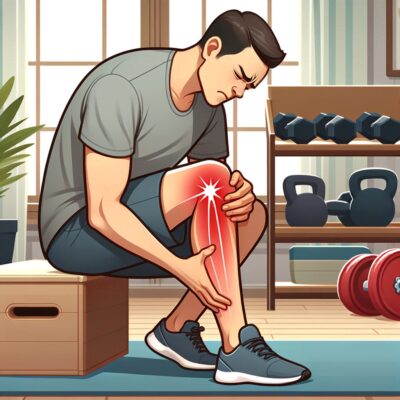
Across the DC area, more and more young athletes are playing on artificial turf fields. From soccer and football to lacrosse, turf has become a necessity for many schools and clubs because of the heavy field usage and changing weather conditions.
But there is one important thing athletes and parents should know: research has shown that ACL injuries occur more frequently on artificial turf compared to natural grass.
At our clinics, we frequently work with athletes recovering from knee injuries through both lacrosse rehab McLeanservices and treatment with a physical therapist Bethesda athletes trust for sports injuries and performance training.
Why Turf Fields May Increase ACL Injury Risk
One of the biggest differences between turf and grass is how the playing surface interacts with the athlete’s footwear.
On natural grass, there is usually a little more “give” when an athlete plants and rotates. The cleat can move slightly through the surface, which helps absorb some of the twisting forces.
On turf, however, the surface tends to grip the shoe much more firmly. That means rotational forces can travel directly up into the knee instead of being partially absorbed by the ground.
This is one reason why non-contact ACL injuries are often associated with turf sports.
Why This Matters for Lacrosse Athletes
For athletes participating in cutting and pivoting sports like lacrosse, soccer, and football, these rotational forces become especially important.
In our lacrosse rehab McLean programs, we frequently help athletes improve:
- Lower body strength
- Landing mechanics
- Deceleration control
- Rotational stability
- Movement efficiency
These qualities help athletes better tolerate the demands of turf surfaces and reduce injury risk.
Footwear Matters More Than You Think
One important factor many athletes overlook is wearing the correct shoes for the playing surface.
Cleats designed specifically for grass may grip too aggressively on turf, increasing the stress placed on the knee. Turf-specific footwear can sometimes help reduce this issue by allowing for more controlled movement on the field.
Fatigue Can Increase Injury Risk
Turf fields also tend to become significantly hotter than grass fields, especially during warmer months.
This can increase fatigue levels during games and tournaments. As athletes fatigue, movement quality and mechanics often begin to decline, which may increase the risk of injuries such as ACL tears.
This is why proper conditioning, hydration, and recovery are critical throughout the season.
The Importance of Warm-Ups and Training
Warm-ups should never be skipped, especially for athletes playing on turf.
Programs like FIFA 11+ have been shown to help reduce injury risk by improving movement preparation, balance, and neuromuscular control.
Working with a physical therapist Bethesda athletes trust can also help identify movement limitations, strength deficits, and mechanics that may place additional stress on the knees during sport.
The Goal Is Reducing Risk, Not Eliminating Sport
Turf fields are likely here to stay, particularly in high-use areas like the DC region.
The goal is not to avoid sports or avoid competition. The goal is to give athletes the tools they need to stay healthy and perform at their best.
With proper strength training, movement preparation, recovery, and footwear selection, athletes can significantly improve their ability to handle the demands of turf sports safely.
If your athlete is dealing with knee pain, recovering from an ACL injury, or looking for guidance on injury prevention, our team provides individualized care through both lacrosse rehab McLean services and sports-focused treatment with a physical therapist Bethesda athletes and parents trust.
