Why Injuries Are Happening Earlier

In sports physical therapy, one trend has become increasingly clear.

We are seeing young athletes come in with injuries that used to be reserved for high school, college, or even adult athletes.

Parents often ask the same question:
Why is this happening earlier than ever before?

The answer starts with understanding one key point.

Young Athletes Are Not Mini Adults

Children’s bodies are constantly changing. Bones, muscles, and tendons are all developing at different rates.

One of the biggest differences is the presence of growth plates, which are areas of cartilage near the ends of long bones. These areas are softer and more vulnerable than mature bone.

Because of this, young athletes are more prone to certain types of injuries that adults simply do not experience in the same way.

This is a critical concept in sports physical therapy when evaluating and treating youth injuries.

Common Injuries in Young Athletes

As sports physical therapists, we frequently see a few common conditions in young athletes.

Osgood-Schlatter (Knee Pain)

This condition often shows up as pain just below the kneecap. It is caused by repeated stress from activities like running, jumping, and squatting.

During growth spurts, bones can grow faster than tendons can adapt. This creates excessive pulling at the tendon attachment, leading to irritation and pain.

Sever’s Disease (Heel Pain)

Sever’s disease affects the heel and is common in sports that involve sprinting and jumping.

Similar to Osgood-Schlatter, the Achilles tendon pulls on a vulnerable growth plate, causing pain and discomfort.

Little League Elbow

This injury is caused by repetitive throwing and is especially common in baseball players.

The stress placed on the inside of the elbow can irritate the growth plate, leading to pain and eventually limiting the ability to throw.

We are now seeing this in athletes who have not even reached high school yet.

Why These Injuries Are Increasing

There are several reasons why injuries in young athletes are becoming more common:

  • Increased sports participation at younger ages
  • Higher training volumes and year-round play
  • Early sport specialization
  • Less recovery time between activities

In sports physical therapy, we often find that workload exceeds what a growing body can handle.

How Sports Physical Therapy Helps Prevent Injury

The goal of sports physical therapy is not just to treat injuries. It is to prevent them.

For young athletes, prevention starts with a few key principles.

1. Monitor Workload

A helpful guideline is to keep total weekly hours of organized sports below the athlete’s age.

For example, a 12-year-old should aim for less than 12 hours per week of structured play.

2. Address Pain Early

Young athletes recover quickly when issues are caught early. Ignoring pain can lead to more serious problems and longer recovery times.

3. Avoid Early Specialization

Playing multiple sports helps develop a wider range of movement skills and reduces repetitive stress on the same areas of the body.

Specializing too early increases the risk of overuse injuries.

4. Build Strength and Movement Quality

Sports physical therapy helps young athletes improve strength, coordination, and movement patterns so their bodies can better handle the demands of their sport.

The Bottom Line for Parents and Athletes

Injuries in young athletes are becoming more common, but many are preventable with the right approach.

Understanding how a growing body responds to stress is essential. Monitoring workload, encouraging variety in sports, and addressing issues early can make a significant difference.

Sports physical therapy plays a key role in keeping young athletes healthy, active, and performing at their best.

If your child is dealing with pain or you want to be proactive about injury prevention, working with a sports physical therapist can help identify risks early and create a plan tailored to their needs.

Why Gratitude Matters for Your Health and Performance

At Cohen Health and Performance, we recently celebrated our 10-year anniversary as a team. It was a chance to step away from the day-to-day, spend time together, and reflect on the people and experiences that have shaped us.

One thing stood out more than anything else.

Gratitude.

While it may not be the first thing that comes to mind when you think about physical therapy Bethesda or physical therapy McLean, gratitude plays a bigger role in health, recovery, and performance than most people realize.

The Science Behind Gratitude

Gratitude is not just a mindset. It is backed by research.

Studies show that people who regularly practice gratitude tend to:

  • Feel happier and more positive
  • Experience fewer symptoms of stress and low mood
  • Sleep better
  • Be more productive and engaged in daily life

These benefits are not just helpful in everyday life. They directly impact recovery and performance, which are key focuses in both physical therapy Bethesda and physical therapy McLean.

Why Gratitude Matters in Physical Therapy

When someone is going through physical therapy, whether for an injury or performance goals, mindset matters.

Recovery is not always linear. There are ups and downs. There can be frustration, plateaus, and moments where progress feels slow.

This is where gratitude can make a difference.

Practicing gratitude can help:

  • Shift focus from limitations to progress
  • Reduce stress and tension in the body
  • Improve consistency with rehab programs
  • Support a more positive and resilient mindset

At our clinics providing physical therapy Bethesda and physical therapy McLean, we see how small mindset shifts can lead to better long-term outcomes.

Simple Ways to Practice Gratitude

Gratitude does not need to be complicated. Small, consistent habits can have a meaningful impact.

Some simple ways to incorporate gratitude into your routine include:

  • Writing down one or two things you are grateful for each day
  • Sharing something positive with your family at dinner
  • Taking a moment to appreciate a coach, teammate, or support system

One of the most powerful aspects of gratitude is that it is difficult to focus on negative thoughts while actively recognizing something positive.

How This Applies to Athletes and Active Adults

For athletes and active individuals, gratitude can enhance both performance and recovery.

It can help athletes:

  • Stay focused during rehab
  • Maintain motivation through setbacks
  • Build stronger relationships with teammates and coaches
  • Approach training with a more positive mindset

Whether you are recovering from an injury or working toward a performance goal, these mental factors are just as important as the physical ones.

A Different Perspective on Health

At Cohen Health and Performance, our approach goes beyond just exercises and treatment plans.

Physical therapy is about helping people move better, feel better, and perform at their best. That includes both physical and mental components.

Incorporating gratitude into your daily routine is a simple but powerful way to support your overall health.

If you are looking for guidance with recovery, performance, or long-term health, our team providing physical therapy Bethesda and physical therapy McLean is here to help.

Small habits can create big changes. Gratitude might be one of the simplest places to start.

What Athletes Can Learn from a Fast Achilles Recovery

When Jayson Tatum returned to the court less than 10 months after an Achilles injury, it caught the attention of the entire sports world.

In sports physical therapy, we know that Achilles injuries often take a year or more for athletes to return to high-level performance. In some cases, athletes never quite look the same.

So how did he come back so quickly?

And more importantly, what can youth and adult athletes actually learn from it?

Why Professional Athletes Recover Differently

Before applying lessons from elite athletes, it is important to understand the context.

Professional athletes operate in a completely different environment:

  • They are in the top 1 percent of the 1 percent physically

  • Their recovery is their full-time job

  • They have access to daily, high-level medical care and performance staff

  • Their entire schedule is built around rehab, recovery, and performance

In sports physical therapy, setting realistic expectations is critical. Most athletes do not have the same time, resources, or baseline as professionals, and that is okay.

What Sports Physical Therapy Can Learn from Elite Recovery

Even though the situations are different, there are key principles from elite recoveries that apply to every athlete.

1. A Purpose Bigger Than the Injury

One of the most powerful drivers in any rehab process is motivation.

In sports physical therapy, athletes who connect their recovery to something bigger tend to have better outcomes. That might be:

  • Returning to their team

  • Earning a starting position

  • Playing in college

  • Staying active with family

When rehab has purpose, consistency becomes easier.

2. Consistency Is the Foundation

Successful rehab is not about occasional hard work. It is about consistent effort over time.

Athletes who make the most progress in sports physical therapy are the ones who show up regularly and commit to the process. Small improvements add up when they are repeated daily.

3. Effort Drives Adaptation

Injury recovery requires more than just attendance. Effort matters.

Tissues like the Achilles tendon respond to load. In sports physical therapy, we progressively increase that load so the tendon can adapt, become stronger, and tolerate the demands of sport.

If the effort is not there, the adaptation will not happen.

4. Objective Testing Guides the Process

One of the biggest differences in high-level rehab is ongoing testing.

In sports physical therapy, we regularly assess:

  • Strength

  • Force production

  • Movement quality

  • Sport-specific readiness

This allows us to adjust the program and ensure the athlete is progressing safely. Without testing, it is difficult to know if you are truly ready to return.

Applying This to Your Recovery

You do not need to be a professional athlete to have a successful recovery.

The key principles of sports physical therapy remain the same:

  • Have a clear goal

  • Stay consistent

  • Put in real effort

  • Follow a structured, guided plan

Whether you are a youth athlete aiming to get back on the field or an adult looking to return to training, these fundamentals make the biggest difference.

The Role of Sports Physical Therapy

Sports physical therapy is about more than just healing an injury. It is about preparing the body to handle the demands of sport again.

With the right guidance, athletes can:

  • Reduce re-injury risk

  • Improve performance

  • Build confidence in movement

  • Return to sport safely

If you or your athlete are recovering from an injury and want a clear, structured path back, sports physical therapy can provide the guidance needed to get there.

Why a Strong Back Can Still Hurt

Many athletes and active adults assume that if their back is strong, they should not experience pain. Yet we often see the opposite in sports physical therapy. Strong, active individuals struggle with back pain even while lifting weights, playing sports, and staying fit.

This is common in our clinics in Bethesda and McLean. Patients report stiffness, achiness, or flare-ups despite being physically strong.

The question is: why does a strong back still hurt?

Understanding Loading Capacity in Back Pain

Strength is only part of the equation. Research shows that people with chronic back pain often have backs that are as strong or stronger than those without pain.

The difference is in loading capacity.

  • Strength allows you to lift, move, and perform exercises.

  • Loading capacity is how much stress your spine and surrounding tissues can tolerate before sending pain signals.

In back pain physical therapy in Bethesda, we see patients who are strong but whose backs cannot handle repeated stress. Everyday activities, workouts, or prolonged standing can irritate the spine and cause discomfort.

How Sports Physical Therapy Improves Back Load Tolerance

A critical part of sports physical therapy is teaching the back to handle stress safely. At our clinics, we use targeted drills to build loading tolerance in multiple planes of motion:

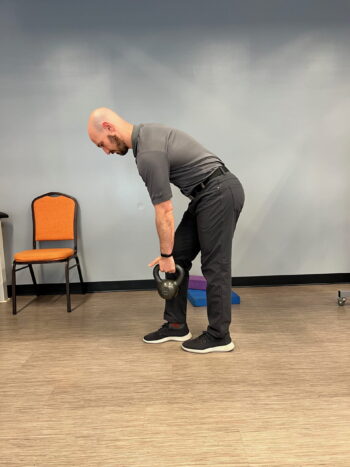
  1. Hip Extension Drills – Strengthens glutes, hamstrings, and low back while teaching the spine to tolerate a hinged position.

  2. Axial Loading Marches – Using a safety bar, we load the spine vertically to simulate real-life stress such as lifting weights or standing for long periods.

  3. Rotational Core Drills – Engages lateral and rotational muscles to prepare the back for multi-directional movements in sports and daily life.

These exercises do more than make muscles stronger. They improve how the back tolerates stress over time and reduce chronic irritation.

Why Bethesda and McLean Athletes Benefit

In back pain physical therapy McLean and back pain physical therapy Bethesda, we see athletes and active adults with common issues:

  • Stiffness after a long day or standing at events

  • Pain that worsens as workouts increase

  • Discomfort that limits performance or daily activity

Sports physical therapy focuses on more than stretching or strengthening. We assess how the spine tolerates load, identify weaknesses, and design drills that improve capacity. This helps athletes train harder, perform better, and reduce long-term pain.

Take the Next Step

If your back still bothers you despite being strong, it may be a loading capacity issue rather than a weakness. Our team in Bethesda and McLean can help with proven drills and personalized guidance.

Do not let back pain limit your sports, workouts, or daily life.

Contact us today to schedule your back pain physical therapy evaluation in Bethesda or McLean.

The Hidden Reason Your Knee Might Feel Stiff

One of the most common complaints we hear in sports physical therapy is simple:

“My knee just feels stiff.”

Most athletes assume the answer is stretching. They work on their quads, hamstrings, and calves. They add mobility drills and foam rolling.

Yet the stiffness often remains.

The reason is that many people misunderstand how the knee actually moves.

The Knee Is Not Just a Hinge

Most people think of the knee as a simple hinge joint. It bends and straightens, similar to a door hinge.

But in reality, the knee also rotates.

This rotational movement is subtle and difficult to see, which is why it is often overlooked. However, it plays a critical role in normal knee mechanics. When the knee bends and straightens, a small amount of rotation occurs at the same time.

If that rotation becomes restricted, the knee may feel stiff even if the muscles around it are flexible.

This is something we frequently identify during sports physical therapy assessments.

Why Stretching Does Not Always Solve Knee Stiffness

Athletes who experience stiffness with knee bending often focus on stretching their quadriceps or hamstrings. While those muscles can contribute to mobility limitations, they are not always the root cause.

If the rotational component of the knee is restricted, the joint may struggle to move smoothly through flexion and extension.

In these cases, stretching alone will not resolve the issue.

Sports physical therapy focuses on identifying the true source of the restriction, which may include joint mobility, movement mechanics, or coordination between different structures around the knee.

Addressing Knee Rotation in Sports Physical Therapy

A common approach we use in sports physical therapy is to first restore the missing mobility and then teach the body how to use it.

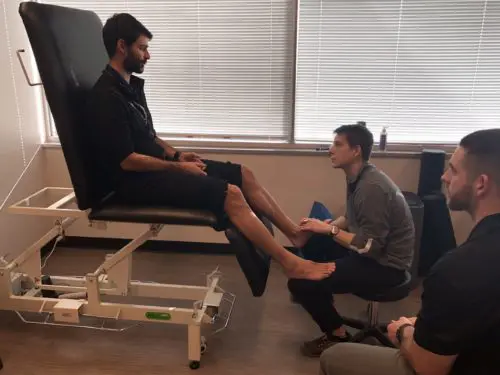
For example, improving internal rotation of the tibia, the shin bone, can sometimes reduce stiffness during knee flexion. Once that mobility improves, athletes must reinforce it with controlled movement so the body learns to incorporate it into normal motion.

Without that second step, mobility gains often disappear quickly.

Why This Matters for Athletes

Athletes place high demands on their knees through running, jumping, cutting, and lifting. If a joint cannot move properly, other areas of the body often compensate.

Over time, this can lead to:

  • Persistent stiffness

  • Decreased performance

  • Increased stress on surrounding tissues

Sports physical therapy helps athletes identify these hidden limitations so they can address the true cause rather than repeatedly stretching the wrong structures.

When to Seek Sports Physical Therapy

If your knee constantly feels stiff despite stretching and mobility work, it may be worth looking deeper.

A proper sports physical therapy evaluation can determine:

  • Whether the limitation is muscular or joint related

  • If rotational mobility is restricted

  • How movement mechanics may be contributing

Once the real limitation is identified, the right drills and strengthening strategies can help restore normal movement and reduce stiffness.

If you or your athlete are struggling with persistent knee stiffness, sports physical therapy can help uncover the hidden factors limiting your mobility and get you back to moving confidently.

Sports Physical Therapy: Why Stretching Is Not Always the Answer for Hip Pain

One of the most common requests we hear in sports physical therapy is:

“What should I stretch?”

Recently, a friend called me describing hip stiffness. He felt tight in the front of his hip and noticed a pinching sensation every time he squatted or lunged. Like many athletes, he assumed he just needed better stretches or mobility drills.

But here is the truth.

Not all stiffness is something you should stretch.

Understanding this distinction is critical in sports physical therapy, especially for athletes who squat, lunge, sprint, and lift regularly.

The Difference Between Tightness and Pinching

In sports physical therapy, we often talk about closing angle versus opening angle restrictions.

Every joint has a natural end range of motion. Something always stops the movement. The key question is what is doing the stopping?

If you feel a muscular stretch at the end of a motion, that is often an opening angle restriction. Muscles may be limiting you, and targeted mobility work can help.

But if you feel a sharp pinch in the front of your hip as you descend into a squat, that is often a closing angle restriction. In simple terms, structures within the joint are approximating too early. Stretching harder into that position will not solve the problem and may even aggravate it.

This is where proper sports physical therapy assessment makes all the difference.

The Hip “Garage” Analogy

Think of your hip like a car parking in a garage.

If there are boxes stacked in the back of the garage, the car cannot fully pull in. It sticks out the front.

Similarly, if the back of your hip is stiff, the ball of the femur can sit slightly forward in the socket. As you squat and the angle closes between your trunk and thigh, you may feel a pinch in the front of the hip.

The problem is not that the front is tight.

The problem is that the back is restricted.

In sports physical therapy, we address this by restoring posterior hip mobility and reinforcing proper mechanics with strength training. Exercises such as controlled hip mobility drills and movements like Romanian deadlifts help reposition and strengthen the hip so it can tolerate deeper ranges safely.

Why This Matters for Athletes

Athletes often default to stretching when they feel stiff. But in sports physical therapy, we know that incorrect self treatment can:

  • Waste valuable training time

  • Irritate the joint further

  • Reinforce faulty movement patterns

  • Delay return to full performance

This concept does not just apply to the hip. We frequently see similar patterns in the shoulder and the ankle, especially in athletes who lift, throw, run, or change direction at high speeds.

If you feel pinching in the front of your hip during squats or lunges, it is worth asking whether you are dealing with a joint mobility restriction rather than a muscle that needs stretching.

How Sports Physical Therapy Helps

Quality sports physical therapy is not just about giving exercises. It is about identifying what is truly limiting you.

We assess:

  • Joint mobility versus muscular restriction

  • Movement mechanics under load

  • Strength asymmetries

  • Sport specific demands

From there, we create a plan that restores mobility where it is needed and builds strength to support it.

If you are experiencing hip stiffness, pinching, or discomfort during training, do not assume stretching is the solution. The right diagnosis leads to the right intervention.

Sports physical therapy is about precision. When you address the true restriction, progress happens faster and more safely.

If you want help identifying what is limiting your movement, contact us. We will help you move better, train harder, and protect your long term performance.

×