What Is Blood Flow Restriction Training? Can It Help You Overcome Your Injuries?

“Running by Coolidge Corner” by jpo.ct is licensed under CC BY-NC-ND 2.0

Since the beginning of performance training, athletes have searched for the most effective training methods out there. Although there are countless strategies available, blood flow restriction training, or BFR for short, has been used for more than 20 years in physical therapy and performance training.

What Is Blood Flow Restriction Training?

Blood flow restriction is a training technique that involves performing exercises with a reduced amount of blood flow to the arm or leg. Using a cuff or strap placed tightly around the limb, blood flow is reduced to that specific area. BFR training combines low-intensity exercise with blood flow restriction to produce similar results to high-intensity training.

In recent years, blood flow restriction training has become popular for both athletes and patients recovering from injuries. Mike Reinhold, a leading physical therapist, describes the various benefits as:

  • Provides a great workout with smaller weights and fewer reps or time
  • Can help with rehab from injuries
  • Improve strength for clients with physical limitations
  • Pain reduction after ACL surgery or knee osteoarthritis
  • Relieve pain and treat functional scores for older patients

Is BFR Training Right For You?

Much like anything, it’s important to educate yourself before trying any new training method. For example, blood flow restriction training is commonly used in performance training and physical therapy because it allows patients to develop strength and stability without requiring a lot of weight. 

Although it is within the scope of practice for physical therapists and athletic trainers, our PTs at CHP are certified specifically in blood flow restriction training. If you’re returning from a recent injury or want to learn more, contact us to set up an initial consultation

What Should You Be Drinking Before, During, and After a Run?

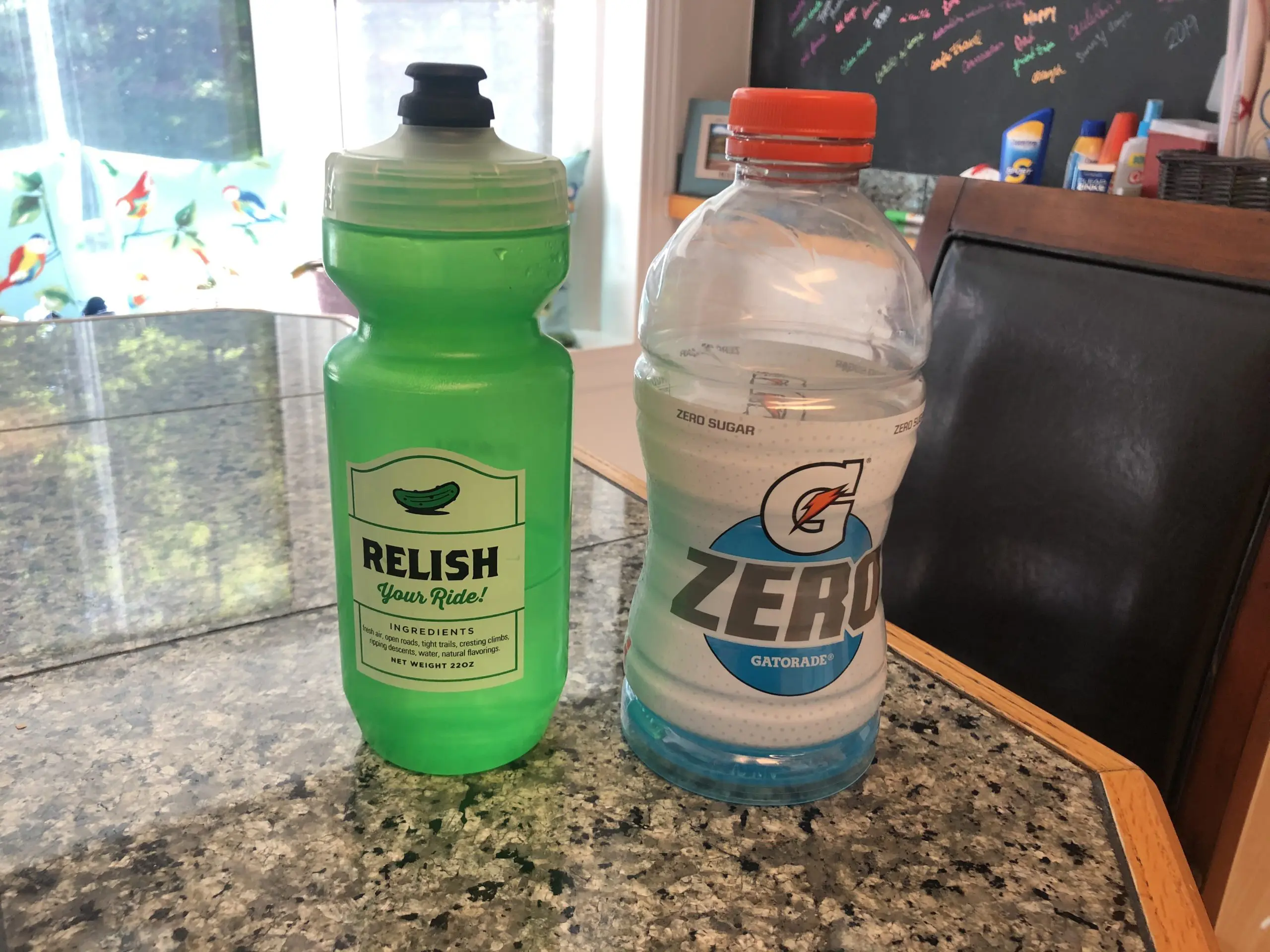
Much like other areas of performance training, proper hydration as an essential aspect of a comfortable, enjoyable run. Although it’s normal for runners to experience a small amount of dehydration, drinking enough fluids can significantly reduce the chances of any adverse effects. On top of that, proper hydration can improve your energy and endurance and even minimize recovery times.

Here are some general hydration recommendations to maximize run performance.

1. Pre-Run

Your hydration strategy should begin long before you start putting on your running gear. What you drink in the hours before a run is perhaps one of the most important aspects of hydration. Be mindful to drink plenty of fluids throughout the day before your run. Then, about 15–30 minutes before heading out the door, drink 250–500ml of fluids.

2. During The Run

The general rule of thumb is to drink 5–10 fl. oz. every 15–20 minutes while you are running. Again, this requirement can vary based on your individual needs or the temperature at the time of your run. However, this is a great general rule to set a baseline for how much water to bring along for your run.

If you don’t like carrying a water bottle or wearing a hydration belt, you can plan out a running route with access to water fountains along the way.

3. Post-Run

Post-run hydration is essential to get your fluid levels back to normal and helps prepare you for the next run. The general rule of thumb is to drink 16–24 fl. oz. of water for every pound lost during your run. 

Final Thoughts

Everyone — and every run — is different. Some days it’s hot and humid, and you’ll likely want to increase your fluid consumption. Other days you may only be running for 20 minutes, in which case you might not even need to bring water on the run. The more you experiment with different hydration techniques, the more in-tune you’ll be with your body and its unique hydration needs. 

Get The Most Out of Your Runs!

Whether you’re an elite runner or weekend warrior, rest days are equally important. In our years as a physical therapy clinic in Bethesda, we’ve taught our patients that the rest days are a crucial component of any good running program.

Resting is necessary to recover appropriately, avoid burnout, and develop as a runner. On days off, your body repairs and rebuilds broken-down muscle tissue from strenuous runs and training sessions. Without proper rest, you may end up needing a physical therapist in Chevy Chase or Bethesda.

Here are three simple things you can do to optimize your days off.

Catch Up On Sleep

Sleep is one of the most important aspects of recovery. During sleep, your muscles relax, and hormones that promote tissue recovery are produced. 

Without sufficient sleep, your muscles might remain tense and sore, which can even lead to chronic pain. On your days off, try getting to bed an hour earlier to catch up on this vital muscle recovery component.

Perform Light Movement

One of the most important things you can do on a rest day is perform a relaxing home exercise routine to address any inflammation or muscle tightness. Examples include light mobility work, yoga, or whatever else you may enjoy. This will help reduce muscle soreness and improve your range of motion. They’ll help your legs feel fresh and get you ready to run hard the following day.

Fuel Your Body

Another important aspect of rest and recovery is nutrition and hydration. Just because you aren’t running on a rest day doesn’t mean you should deviate from your normal nutrition strategy.

On rest days, it’s essential to fuel your body with foods that support muscle recovery and growth. This means prioritizing protein-rich foods, complex carbs, healthy fats, and plenty of fruits and vegetables. Focus on healthy, nutrient-dense foods to help improve muscle recovery. 

Final Thoughts

Just as your training runs are vital to your running performance, so are your rest days. Without taking the proper time to rest and recover, you’re putting your body at greater risk for injury or burnout. These three simple techniques can help optimize your rest day and improve your recovery. If you want a customized approach to optimizing your rest days, our sports physical therapy clinic in Chevy Chase can help!

Make the most of your visit: 3 questions to ask your physical therapist

Whether you’re attending in-person or virtual physical therapy, your success largely depends on how engaged and involved you are in the process. A physical therapist’s role is to identify issues, develop a personalized treatment plan, and guide you toward recovery. However, as the patient, your active participation is just as crucial. Asking the right questions during your sessions can empower you to take control of your health and recovery journey.

Here are three essential questions to ask your physical therapist to ensure you get the most out of your sessions in McLean or Bethesda.

1. Why Did This Happen, and How Can We Prevent It from Happening Again?

One of the key goals of physical therapy is not just to treat the symptoms but to address the root cause of your pain or injury. Whether it’s a recurring injury, chronic pain, or post-surgery rehabilitation, understanding *why* the issue occurred in the first place is crucial to preventing it from becoming a long-term or recurring problem.

By asking your physical therapist about the underlying cause, you’ll gain insights into the factors that contributed to the issue—whether it’s poor posture, repetitive strain, muscle imbalances, or even lifestyle habits. With this knowledge, you and your PT can develop a plan to not only treat the current problem but also take proactive steps to ensure it doesn’t happen again. This might include correcting your movement patterns, strengthening weak areas, or making adjustments to your daily activities.

2. What Should I Be Doing at Home to Support My Recovery?

Physical therapy sessions are often limited to a few hours per week, but your recovery continues long after you leave the clinic. The majority of your time will be spent outside of the physical therapist’s office, which is why it’s critical to know what exercises, stretches, or adjustments you should be doing at home.

Ask your physical therapist for a clear and detailed home exercise program that complements your in-person treatment. This plan should be tailored to your specific needs and capabilities, ensuring you’re doing the right movements to support your progress. A good physical therapist will not only show you the exercises but also explain why they are important, how to perform them correctly, and how often you should do them.

On the flip side, it’s equally important to know what not to do. Certain activities or movements could slow down your recovery or even worsen your condition. By clarifying both the “dos” and “don’ts,” you’ll feel more confident in managing your rehabilitation at home.

3. How Can You Measure and Ensure I’ll Make Progress?

The ultimate goal of physical therapy is to make meaningful progress toward your recovery goals, whether that’s reducing pain, improving mobility, or returning to your favorite activities. However, many healthcare systems focus on generic benchmarks, such as returning to basic activities of daily living (ADLs) or reaching a general “baseline.”

While these objectives are important, physical therapy should go beyond just meeting minimum standards—it should be about helping you achieve your personal goals. By asking how your progress will be tracked and measured, you set the expectation that the focus is on your individual needs, not just generalized outcomes set by insurance companies.

Your physical therapist should provide a clear roadmap for your recovery, outlining the specific milestones and indicators they’ll use to track your progress. This could include improved range of motion, increased strength, reduced pain levels, or functional abilities tied to your lifestyle. Regular check-ins and reassessments will ensure that your treatment stays on track and is adjusted as needed.

Physical therapy is a partnership, and the more actively engaged you are, the better your results will be. By asking thoughtful questions and staying informed, you’ll not only deepen your understanding of your treatment plan but also enhance your ability to manage your health outside of therapy sessions.

Athletic injury rates are on the rise

As the weather warms up, COVID-19 cases decline, and spring sports resume, many young athletes are eager to return to their favorite activities. While the excitement to get back on the field is high, it’s crucial to prepare your body properly to avoid injuries and maintain good health. In the Bethesda and Chevy Chase areas, proper performance training can make all the difference between a dream season and being sidelined.

After a long break from sports, the risk of injury is elevated because the body isn’t accustomed to the demands of sport-specific activities. That’s why it’s essential to spend time before the season starts preparing both mentally and physically for peak performance.

Research shows that strength and conditioning training can reduce sports injuries by 33% and overuse injuries by nearly 50%. Therefore, it’s important to begin with simple, manageable exercises to get back in shape and stay injury-free.

A smart approach to preseason training starts with individual sport-specific drills focused on conditioning. From there, athletes can gradually progress to drills with a partner or opponent. Eventually, they can increase their activity level to include team drills, scrimmages, and full game play. This gradual increase in activity, similar to what is seen in professional and collegiate sports, allows the body to adapt and handle the cumulative stress.

The best way to develop a sport-specific training program that meets an athlete’s individual needs is to consult a professional who can tailor the program to their unique strengths and weaknesses. If you’re looking to optimize your performance after a long offseason or recovery from injury, consider seeking performance training in Bethesda or Chevy Chase to kickstart your dream season.

Here’s to a fantastic new season—don’t forget to enjoy it!

An Essential Part of Athletic Physical Therapy: Strength Training for Runners

Many of the runners that we work with at CHP supplement their running with strength training. Strength training is a large component of athletic physical therapy and provides a host of benefits including, but not limited to; reduced injury risk, increased muscular endurance, and faster running times. Research shows that regular strength training improves a runner’s speed and VO2 max. VO2 max is a measure of the maximal amount of oxygen that a person can use during exercise.

However, there is one important caveat to all of these great benefits. A runner’s strength training program must be designed and executed appropriately, and according to the runner’s goals and individual characteristics.

Luckily, most runners have similar goals. They wish to run faster and/or farther, and avoid injury.

Strength training programs for runners should consist of exercises that improve qualities specific to running.

When running, there is never a time when both feet are touching the ground simultaneously. The arms and legs are constantly moving in opposite and alternating directions as the body transitions from one foot to the other.

Therefore, we commonly advocate for runners to include more single leg exercises into their training.

These exercises include, but are not limited to: lunges, single leg squats, split squats, and single leg RDLs (Romanian deadlifts). Simply adding one of these activities into each of your strength training sessions can have a large impact. Take a look at the videos below for examples of these activities.

https://www.youtube.com/watch?v=aazACzyUR-Q

https://www.youtube.com/watch?v=KK05iugeIDE

https://www.youtube.com/watch?v=EjDtPek261c

Furthermore, runners should not neglect upper body training. Arm drive is an essential component of running and helps to drive leg action. An effective runner cannot have one without the other!

A thoughtful and more scientific approach to strength training, specifically designed for runners, may be all that is needed to drastically improve your running performance.

×