Is Mobility Overrated?

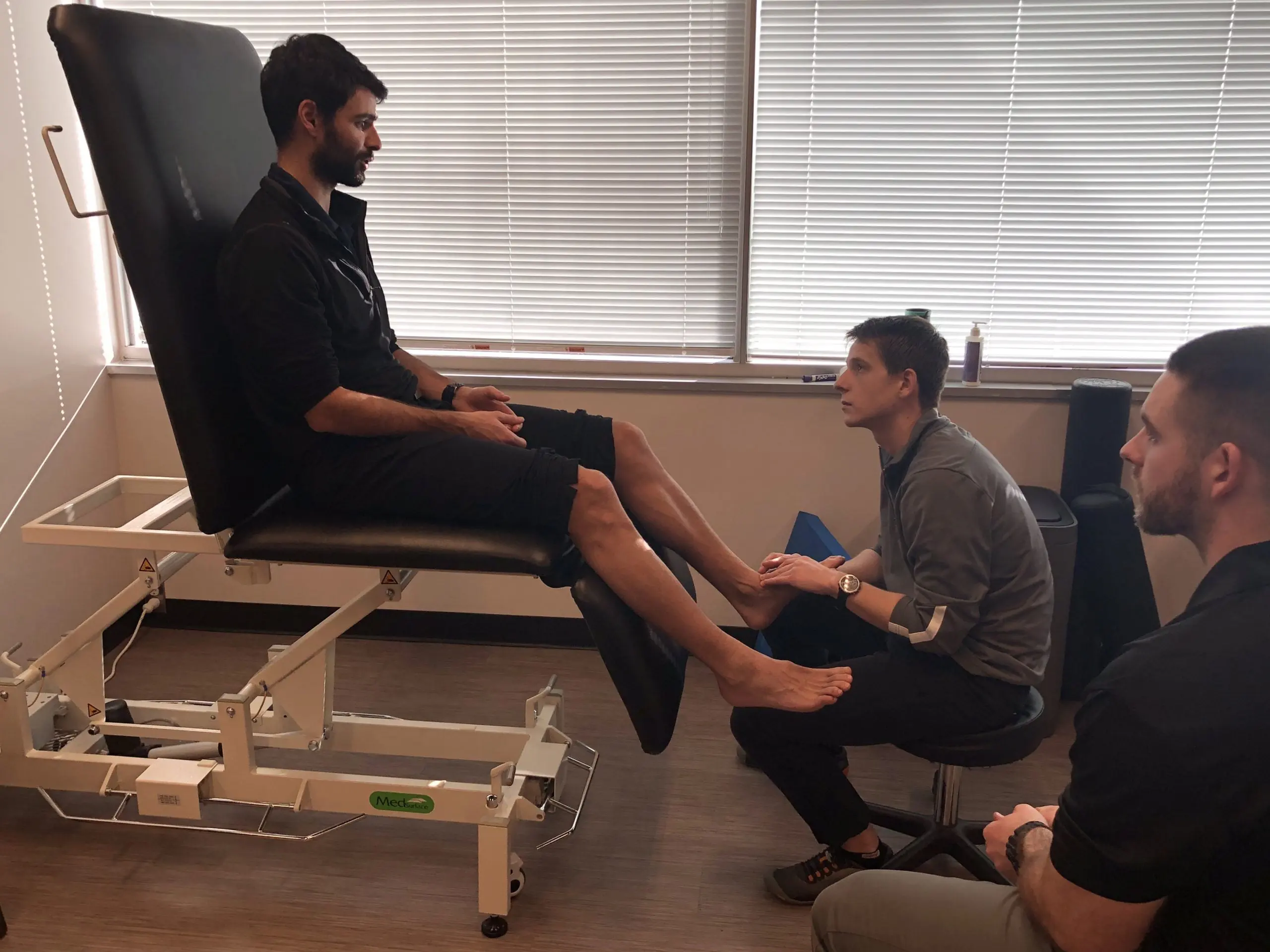
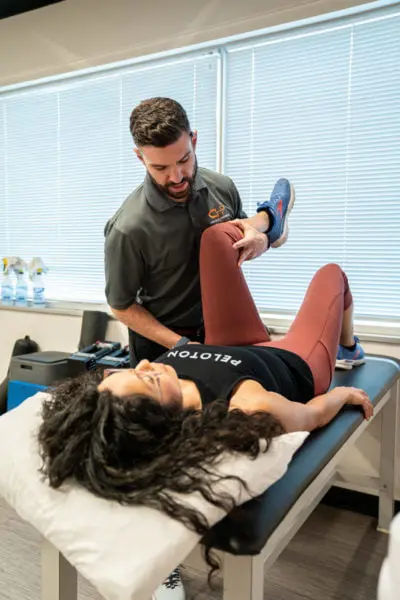
Mobility has become a popular buzzword in the sports physical therapy community in Bethesda and Chevy Chase. While it is an important aspect of health and fitness, could mobility be getting more attention than it actually deserves?

What Is Mobility?

The term “mobility” refers the quantity of available movement — and how freely and efficiently you’re able to do so. Popularized by the sports physical therapy and training community, mobility is important for everyone, whether you’re an elite athlete or a busy working Mom.

Mobility is an important part of a well-designed injury rehabilitation and prevention program. It is also used to improve the quality of life for our physical therapy patients in Chevy Chase and Bethesda.

While very important, many experts feel that the booming popularity of mobility overshadows several other key health factors. In particular, the added focus on mobility often leads to a lack of attention on other important health factors, such as strength, cardiovascular health, and other global health behaviors.

What The Mobility “Craze” Makes Us Overlook

Although mobility is an important aspect of a healthy body, mobility alone won’t provide the quick fix you might be looking for. Instead, there are several complex contributing factors that need to be properly managed to improve your overall health.

Strength Training

Lean body mass and strength are some of the greatest indicators of the overall health of an individual. In fact, according to a study done by Harvard University, something as simple as grip strength can help measure an individual’s risk of heart attack, stroke, or cardiovascular disease.

Focusing on mobility alone overlooks the importance of strength training. According to The Mayo Clinic, strength training can help you manage or lose weight, increase metabolism, protect your joints and ligaments, and improve your ability to do everyday activities.

Cardiovascular Exercise

Another important measure of the overall health of an individual is cardiovascular fitness. A simple way to gauge cardiovascular health is by measuring your resting heart rate — the number of times your heart beats per minute when not physically active.

Although the normal range of a resting heart rate is between 50–100 beats per minute, a resting heart rate greater than 90-100 BPM can put unnecessary strain on the heart. A high resting heart rate has even been linked to high blood pressure, cholesterol, and even heart disease.

By solely focusing on mobility, cardiovascular health may be overlooked.

Global Health Behaviors

Outside of strength and cardio training, there are several other important contributing factors to an individual’s health — specifically sleep, nutrition, and social connection.

Sleep plays a crucial role in your physical health. Not only does sleep heal and repair your muscles, heart, and blood vessels, but a recent study discovered done by the National Heart, Lung, and Blood Institute discovered a link between sleep deficiency and an increased risk of heart disease, kidney disease, diabetes, and high blood pressure.

Final Thoughts

All in all, mobility is only one aspect of staying healthy and active — it isn’t the only thing that should be focused on. Health is achieved through the successful balance of multiple variables, including mobility, strength training, cardiovascular exercise, and various other global health behaviors.

If you’re looking for a comprehensive program to improve your health, fitness, and quality of life, our physical therapy team in Bethesda and Chevy Chase can help. Contact us today for a free consultation!

Exercise Snacking: A Simple Approach To Aging That Can Actually Improve Muscle Function

It’s no secret that finding time to exercise gets more difficult with age. As professional, family, and personal responsibilities stack up, it becomes more and more challenging to find time to get to the gym or exercise.

As part of the aging process, our performance physical therapy patients also tend to lose muscle mass and function. One well-known combatant of muscle loss is resistance training, though it does require access to both exercise equipment and the time to work out.

If you find yourself struggling to get to the gym as you’re getting older, there’s good news! A recent study from The Centre for Sport in Chesterfield, UK, concluded that short bouts of exercise spread throughout the day are an effective method to improve muscle function in a time-efficient manner.

“Exercise snacking,” as the study coined, is the process of breaking down exercise into short sessions throughout the day. During the 28-day study, individuals doing a twice daily home-based exercise snacking program improved their lower limb muscle function and size compared to a control group. In addition, not only did their maximum leg pressing power increase, but those who followed the exercise snacking program also improved their 60-second sit-stand scores.

Although the study is still being examined, the data suggests that “exercise snacking,” or short bouts of exercise, may be a promising strategy to improve muscle function in older adults. Something as simple as a short walk could do the trick.

If you often struggle to find time to exercise, “exercise snacking” is a super time-efficient method to combat the side effects of aging while staying in shape.

For a more personalized approach, our virtual physical therapy team in Chevy Chase can help! Contact us today for a free consultation.

Why Icing After Pitching Isn’t Great For Your Child

Icing after a baseball game is an often-used recovery or injury rehabilitation practice for pitchers.

However, recent research conducted by Electronic Waveform Lab shows that icing damaged tissue after exercise does not improve recovery and can actually delay the healing process.

40 years ago, Dr. Gabe Mirkin coined the term RICE (Rest, Ice, Compression, and Elevation) to treat acute sports injuries. In 2014, nearly 40 years later, Dr. Mirkin retracted his statements stating, “Subsequent research shows that rest and ice can actually delay recovery.”

Why Does Ice Do More Damage Than Good? 

Inflammation is a natural, necessary response to the tissue damage that results from pitching in a baseball game. Due to the inflammation, blood vessels dilate, and the damaged tissue receives an influx of nutrients and cells that begin the process of tissue repair.

This process is necessary for the tissue to remodel and prepare for the future stresses involved in pitching. While icing may decrease pain in the short term, it can actually do more harm than good, as it slows down the recovery process.

Active Recovery: An Alternative To Ice

As part of his 2014 retraction of RICE protocol, Dr. Gabe Mirkin reported, “Mild movements help tissue to heal and the application of cold suppresses the immune responses that start and hasten recovery.”

One of the best alternatives to using ice is active recovery — including low-intensity muscle activation techniques. The goal is to find practical active recovery and loading methods that won’t aggravate the tissue or cause additional damage.

Try to activate the muscles to achieve the largest amount of pain-free, low-stress, and non-fatiguing muscle activation. This technique can act as a “pump” to remove excess waste products from the area and facilitate the release of proteins that accelerate recovery.

If you need in-depth injury rehabilitation or performance physical therapy techniques in Chevy Chase, our team of experienced physical therapists can help!

Arm Care in Baseball is More Than Pitch Counts

The number of shoulder and elbow injuries in youth baseball pitchers is on the rise and we consistently see these injuries for performance physical therapy. In response, consistent efforts have been made to better monitor the amount of stress taken by pitchers after each visit to the mound.

For many years, this was done by simply limiting the number of innings an athlete could pitch and setting a specific number of rest days between outings. More recently, pitch counts have become the standard for tracking a pitcher’s workload. However, while this change is an improvement, pitch counts do not tell the entire story.

What pitch count fails to account for is the varying intensities between throws. For example, a throw at 100% effort has a very different intensity than a throw at 50%. This is why efforts have been made in recent years to more accurately track the intensity, or workload, of a pitcher while on the mound.

A Better Method to Track Stress: Workload

According to athletic physical therapy, a more reliable measure of stress is the acute to chronic workload ratio (ACWR). Acute workload refers to the average workload of a single day over the past 9 days, whereas chronic workload refers to the average one-day workload over the past 28 days.

Research by sports scientist Tim Gabbett has shown that spikes in acute workloads, such as quickly increasing pitch count to more than the body is used to, can increase the risk of injury.

Calculating Your ACWR

There are two main ways to calculate the acute to chronic workload ratio.

The first is to use a series of formulas using pitch count and a subjective rating of perceived exertion (RPE), ranging on a scale of 1–10.

  1. Calculate acute workload by multiplying the number of high-intensity throws (around 70% of full effort or more) by the athlete’s RPE.
  2. Calculate chronic workload by calculating the weekly acute workload average of the past four weeks.

Once you have the acute and chronic workload, divide the acute workload by the chronic workload to get the ACWR.

The second and perhaps much simpler method is to use wearable technology. For example, in recent years, technology has become available to track the stress on a pitcher more accurately after an outing.

Sensors such as the MotusTHROW can accurately measure the amount of force placed on an athlete’s elbow during each throw. This data can be applied to calculate the ACWR to safely and effectively determine when a pitcher needs rest or is ready for their next high-intensity outing.

If you’d like to learn more about keeping your son or daughter safe on the mound, our experienced athletic physical therapy and injury rehabilitation team in Bethesda can help!

Debunking the Bone on Bone Myth

“Best Walking Shoes for Knee Pain for Women” by gm.esthermax is licensed under CC BY 2.0

I’m sure you’ve heard someone say it before:

“My knees are in such bad shape. It’s pretty much just bone on bone down there.”

Although this is a commonly held belief, athletic physical therapy speaks to the truth: “bone-on-bone is largely a myth.

Many patients complain of knee pain because they are “bone-on-bone” assuming there is nothing they can do but get surgery.

Fortunately, this common misconception just isn’t true. If a person is experiencing joint pain, one of the first treatment measures is X-rays or another imaging study of the joint. If the joint damage on the X-ray is severe, you may be told you are “bone-on-bone.” However, all that term means is that there is some amount of cartilage loss in the joint.

As the cartilage deteriorates, there is less cushioning between the ends of the bone that form the joint. This “rubbing” of bones against each other with less cushioning causes pain and discomfort. However, rarely, if ever, is the cartilage of the joint completely destroyed.

A doctor at the Core Medical Center in Blue Springs, MO, conducted more than 1,000 knee X-rays and discovered only one case where the cartilage of the knee joint was completely destroyed. The other 999 cases were simply deterioration of the cartilage, but it remained intact and functioning.

The truth is that “bone-on-bone” is just a fancy way of saying the cartilage is slowly deteriorating. Very seldom does it ever completely disappear. This term is used by doctors and physical therapists to better describe the situation to patients and the severity of their pain points.

If you’re experiencing joint pain or discomfort, our injury rehabilitation clinic in Bethesda/Chevy Chase can help! Whether you’re looking to overcome a recent injury or sick of joint pain preventing you from enjoying an active lifestyle, our team of physical therapists can help!

The Surprising Link Between How You Breathe and Your Stress Levels

Stress is something we all face, and the causes are often familiar: work demands, family issues, financial strain, and health concerns. But there’s another, often overlooked factor that can significantly contribute to heightened stress levels—your breathing.

In recent years, research in athletic physical therapy has revealed that the way you breathe plays a critical role in your body’s stress response. According to Seth Oberst, DPT, the primary modes of breathing—through the mouth or through the nose—can either exacerbate or help mitigate stress.

Mouth Breathing vs. Nose Breathing: What’s the Difference?

At first glance, it might not seem like a big deal whether you breathe through your mouth or your nose, but the two are far from equal in terms of their impact on your body.

Mouth breathing, which many people subconsciously default to, can actually increase stress levels in several ways:

1. Head Posture and Airway Alignment
When you breathe through your mouth, your head tends to jut forward in an effort to keep your airway open. This seemingly small change in posture initiates a cascade of negative effects that ripple through your entire body. Poor posture can lead to chronic tension in the neck and shoulders, further aggravating stress.

2. Reduced Nitric Oxide Intake
When you breathe through your nose, your body naturally produces and mixes nitric oxide into the air you inhale. This compound helps dilate your blood vessels, allowing for better oxygen circulation and supporting your immune system. Mouth breathing, on the other hand, bypasses this nitric oxide production, forcing you to take in larger quantities of air to compensate—an inefficient process that taxes your system.

3. Over-Activation of the Sympathetic Nervous System
Breathing through the mouth tends to increase activity in the sympathetic nervous system—the part of your body responsible for the “fight or flight” response. This system, when overstimulated, can lead to heightened stress, faster heart rates, and increased muscle tension. Over time, this constant state of over-activation can make it harder to relax, leaving you feeling perpetually on edge.

4. Disrupted Sleep and Restless Nights
You might think that physical or mental exhaustion would automatically lead to a good night’s sleep, but mouth breathing can actually disrupt your ability to rest properly. Because mouth breathing is less efficient at delivering oxygen to the brain, you may find yourself tossing and turning at night, waking up still feeling tired and unrested. This lack of quality sleep further exacerbates stress levels, creating a vicious cycle of fatigue and tension.

The Power of Nose Breathing

In contrast to mouth breathing, nose breathing can have a profoundly calming effect on both your body and mind. The nose acts as a natural filter and humidifier for the air you take in, warming it and removing harmful particles before it reaches your lungs. Nose breathing also activates the **parasympathetic nervous system**—the “rest and digest” system—which helps reduce stress, lower your heart rate, and promote a state of calm.

Moreover, because nasal breathing supports better oxygen exchange and reduces the need for over-breathing, it prevents the shallow, rapid breaths that are often associated with anxiety and panic. Over time, habitual nose breathing can help to lower baseline stress levels and enhance your overall sense of well-being.

How to Shift from Mouth Breathing to Nose Breathing

If you’re accustomed to breathing through your mouth, switching to nose breathing might feel uncomfortable at first. But with practice, you can retrain your body to make nasal breathing your default mode.

Start by dedicating 3–5 minutes a day to intentional nose breathing. Find a quiet space, close your mouth, and focus on taking slow, deep breaths in and out through your nose. You may feel resistance or a bit of difficulty at first, especially if your nasal passages are slightly congested or if you’ve developed the habit of shallow mouth breathing. Stick with it—the goal is to gradually build comfort and strength in your nasal breathing muscles.

The Long-Term Benefits of Nasal Breathing

Incorporating nasal breathing into your daily routine can lead to a host of long-term benefits, including:

– Reduced stress and anxiety
– Improved sleep quality
– Better focus and mental clarity
– Enhanced athletic performance
– Lower blood pressure and heart rate
– Decreased muscle tension and fatigue

Need Help? We’re Here for You

If you’re struggling with stress or want to improve your breathing technique for overall wellness, our experienced athletic physical therapy team in Bethesda and McLean can help. We can work with you to develop personalized breathing exercises and techniques that will not only optimize your breathing but also support your physical and mental health.

Remember, while you can survive by mouth breathing, thriving requires that you breathe with intention. Take control of how you breathe, and in turn, take control of your stress.

×