Supinated Feet: When a High Arch Can Be a Problem

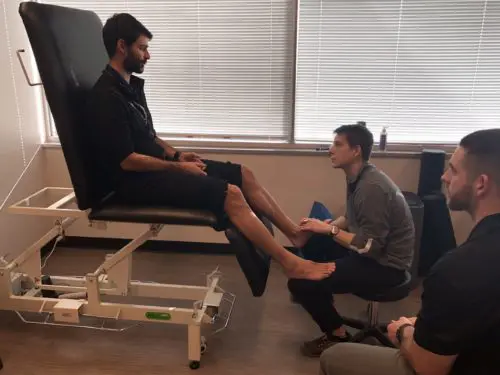
If you’re an active adult who deals with a high arch, also known as a supinated foot, you may be unknowingly putting extra stress on your body—especially during running, jumping, and other high-impact activities. As a physical therapist (and someone with this exact foot type), I’ve seen firsthand how a rigid, high-arched foot can lead to aches, pains, and limitations from the ground up.

Let’s break down what’s really going on—and more importantly, what you can do about it.

Supination: What It Is and Why It Matters

Supination is a normal part of how we walk and run. As we push off from one foot to the other, our foot naturally shifts into a supinated position to create rigidity and drive forward momentum. But when that position becomes our default—not just a brief phase of gait—it can become a problem.

A supinated foot has an elevated arch that shifts most of your weight to the outside edge of the foot and the heel. This reduces your ability to absorb shock efficiently and limits how well you distribute force across your foot and up the chain to the knees, hips, and spine.

Over time, this pattern can lead to:

  • Foot and ankle pain
  • Knee irritation
  • Hip tightness or instability
  • Low back discomfort
  • Increased injury risk during sports or exercise

Why Physical Therapy Looks at the Whole Chain

At our physical therapy clinic, we don’t just look at the foot—we look at how your body moves as a whole. A rigid, supinated foot places the lower body in a position of external rotation, making it harder for your joints to absorb impact. This sets the stage for chronic stress and eventually injury.

Our goal is to help restore balance—both literally and figuratively—by teaching your body how to load more evenly and absorb force more effectively.

Choose the Right Shoes

One of the easiest places to start is your footwear. If you have a naturally high arch, it may be structural and unlikely to change. But the right shoes can help you feel more evenly grounded, which is essential for stability and performance.

Look for shoes that:

  • Provide cushioning
  • Let you feel your entire foot—not just the outside edge
  • Help you connect with the ground without feeling unstable

Think of it like lying on a bed of nails: when the pressure is evenly distributed, it’s safe. But if you take away some of that support? Ouch. The same applies to your foot—spread the load, reduce the risk.

Train Your Body to Shock Absorb

Beyond shoes, it’s critical to train your body to handle impact. Supinated feet often go hand-in-hand with limited internal rotation in the lower body—a movement pattern that’s essential for shock absorption.

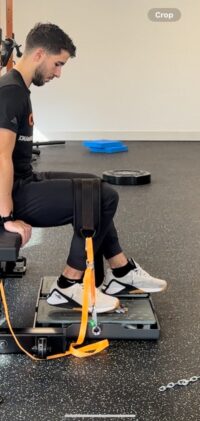
One of our favorite starting exercises in physical therapy for this is a flexion-based squat with a ball or yoga block between the knees.


This helps:

  • Encourage proper knee alignment
  • Drive internal rotation through the hips
  • Teach your body how to enter a loaded, shock-absorbing position

From there, we’ll progress into dynamic drills like jumps, hops, and landing mechanics, all with a focus on controlled loading and healthy joint positioning.

Don’t Ignore the Signals

If you’ve had a history of ankle sprains, foot pain, or feel like your body just “can’t land well,” you may be compensating for a foot type that needs attention. The good news? There’s a lot we can do to help.

At Cohen Health and Performance, we specialize in physical therapy that addresses the root cause—not just the symptoms. If you’re tired of rigid feet, stiff joints, or recurring injuries, let’s talk. I’ve been able to treat this in myself, and we’ve helped countless athletes and active adults find relief and move better.

Need help with your foot mechanics or injury prevention?

Contact us today to schedule a consultation and learn how physical therapy can help you move, feel, and perform better—starting from the ground up.

Struggling With A Calf or Achilles Injury? What You Need to Know


I’m now at that age where I have to start being more mindful of the nagging calf and Achilles injuries that seem to pop up for so many of us in our 30s, 40s, and beyond. Whether it’s rec league basketball, tennis, pickleball, or just hitting the gym hard, many active adults still love to move with intensity—but we may not have the same resiliency we had in our 20s.

At Cohen Health and Performance, we see it all the time in our physical therapy clinics: a fit, active individual suddenly sidelined by a calf strain. These types of injuries tend to be the first warning sign of lower leg issues that can creep up when we push our bodies beyond what they’re currently prepared to handle.

Why Calf Injuries Happen

A calf strain typically occurs when the loading tolerance of the muscle—its ability to handle force—is exceeded. It’s not always about being out of shape; in fact, many of our patients are in great cardiovascular condition. But if the calf and Achilles haven’t been progressively trained to handle specific types of force—like running, jumping, or quick direction changes—they’re vulnerable.

One of my patients recently told me they went on vacation and, without access to a gym, decided to start running more than usual. They felt fit, so why not? But shortly after, they messaged me with a calf strain. Their cardiovascular system may have been ready—but their calf muscles weren’t conditioned for that repetitive impact. That mismatch between perceived fitness and actual tissue readiness is a common reason we see these injuries in our physical therapy practice.

Physical Therapy for Calf and Achilles Recovery

So what do we do when a calf injury strikes? Or better yet—how can we prevent it?

The key lies in a progressive, personalized rehabilitation plan, and physical therapy plays a critical role in that process. Here’s how we typically approach it:

1. Start with Isometric Loading

We begin with isometric exercises, where the muscle contracts without changing length. This is a safe, low-threat way to begin reactivating the calf muscle after injury. Isometrics help reduce pain, improve blood flow, and reintroduce loading to the tissue without overstraining it. These are often the first steps in any effective physical therapy plan for a strained calf. For more information on isometric exercises, check out this article and video!

2. Progress to Full Range of Motion Drills

Next, we move into more dynamic exercises that take the muscle through a full range of motion. The calf needs to be able to both shorten and lengthen under load, especially if you want to return to activities like running or jumping. These movements are carefully progressed based on how the tissue responds.

3. Introduce Plyometric and Sport-Specific Drills

Once strength and mobility are restored, we introduce plyometric exercises to recondition the tissue for faster, more explosive movements. At this stage, we might use bands or assistance tools to reduce body weight until you’re ready to go full intensity.

Finally, we tailor the program to your sport or activity. Runners may progress to drills like A-skips and A-runs, while basketball or tennis players might focus on reactive jumping or lateral movement training.

Personalized Care is Key

No two injuries—or recoveries—are the same. That’s why every physical therapy plan at Cohen Health and Performance is built around your unique goals, limitations, and lifestyle. Whether you’re returning to a sport or just want to stay pain-free during weekend workouts, we’re here to help you move forward.

If you’ve recently dealt with a calf or Achilles injury—or you’re hoping to prevent one as you stay active into middle age—we’d love to help. Our physical therapy team specializes in helping active adults recover quickly, move better, and keep doing what they love.

Contact us to schedule your evaluation at our Bethesda or McLean location. Don’t let a nagging calf injury slow you down.

Orthotics: Do You Really Need Them? A Physical Therapy Perspective


When it comes to orthotics, one of the most common questions we get in physical therapy is:

“Should I use orthotics — or not? Will they help, or could they make things worse?”

The short answer?
It depends.

As frustrating as that may sound, orthotics are not a universal solution. At our physical therapy clinic, we talk with patients daily about whether orthotics are right for them — and it’s never a black-and-white answer. Let’s break down why.

How Orthotics Really Work — And Why It’s Not So Simple

Many people think orthotics are designed to “push” the foot into a better position — like boosting a flattened arch or correcting a high arch that’s rolling outward. It sounds logical, right? Almost like fixing a building or a machine.

But here’s the problem with that approach:
➡️ Our bodies aren’t buildings.
➡️ Our feet are dynamic, not static.

As physical therapists, we understand that your body is constantly adapting to its environment. Take walking, for example — the way pressure shifts through your foot as you step is always changing. Your body responds to those shifting pressures by adjusting muscles, joints, and posture up the chain (think knees, hips, and back).

Flat Feet vs. High Arches — Why You May or May Not Need Orthotics

If you have high arches (like me), you may not feel the ground well, which can make you feel unstable. Your body senses that instability and often tenses up — creating stiffness in other areas. For people like this, a small arch support can sometimes help them “find” the ground better, improving balance and movement efficiency.

On the flip side, if you have flat feet, your weight may be dumped onto the inside edge of your foot. In that case, a different type of orthotic might give some gentle lift to the arch, helping distribute weight more evenly and improving the way the whole body moves.

But here’s the catch — it’s never just about the arch.

What Physical Therapy Teaches Us About Orthotics

At our physical therapy practice, we evaluate how each person moves — not just how their feet look. Some people with flat feet move beautifully and don’t need orthotics. Others with “perfect-looking” arches may have pain and need extra support.

And sometimes, the right shoe can make all the difference — no orthotics required.

So… Do You Need Orthotics?

The answer is unique to you. That’s why working with a physical therapist who understands biomechanics, gait, and functional movement is crucial before jumping into orthotics.

If you’ve ever wondered:

  • “Do I need orthotics or just better shoes?”
  • “Why do my knees/hips/back hurt when I walk or run?”
  • “Can orthotics help my performance in sports?”

➡️ We can help you figure that out.

Ready to Take the Next Step?

If you want personalized help to figure out whether orthotics are right for you — or you’re struggling with pain related to your feet, knees, hips, or back — contact us today for an evaluation.

We’re here to help you move better, feel better, and get back to doing what you love.

CHP Spotlight Interview with Dr. Steven Bernstein

How long will my athlete be in sports physical therapy after their ACL repair?

What’s going on with Aaron Rodgers? Can he really rehab his achilles repair in 14 weeks?

What is the one thing that you can do to play your sport for as long as possible?

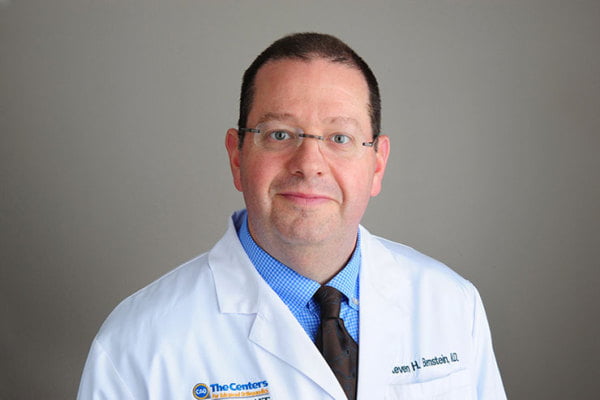
I recently interviewed Dr. Steven Bernstein to tackle these questions and more in the latest edition of the CHP Spotlight Interview series. Dr. Bernstein practices orthopedic surgery with Summit Orthopedics, focusing on sports medicine. He specializes in arthroscopic surgery of the knee, shoulder and ankle. 

The mission of the CHP Spotlight Interview Series is to share information with you from local experts in the fields of sports medicine, physical therapy, personal training, and sports performance. Now, more than ever, a seemingly infinite amount of information is available, and finding credible information is challenging. But we have good news. We are here to help you find the best information about physical therapy, personal training, and sports medicine from experts in Bethesda, Chevy Chase, DC, McLean, and Northern Virginia.

If you or someone you love has had a shoulder, hip, or knee injury, don’t miss this interview! 

To learn more about Dr. Bernstein, click here and check out our interview below!

Don’t Try To Be Patrick Mahomes

I lost count of how many times the announcers on Sunday night’s football game discussed the injury that Chiefs quarterback (and best player in the world) Patrick Mahomes played with.

He suffered a high ankle sprain just 8 days earlier and as a sports physical therapist here in McLean and Bethesda, I was blown away by how well he was able to play.

A high ankle sprain occurs when the ligaments that connect the tibia and fibula (the two bones in the lower leg) are stretched or torn. It is a more severe injury than a standard, or low ankle sprain, and takes longer to heal. Symptoms include pain, swelling, and difficulty bearing weight on the injured leg.

High ankle sprains typically take 6-8 weeks to heal and even longer to return to sport. It also involves a great deal of physical therapy and rehabilitation. At our McLean and Bethesda clinics, we typically work with athletes for 2-3 months after suffering a high ankle sprain.

I am not saying that Mahomes shouldn’t have played. As with all medical decisions, it is a risk vs. reward calculation.

By playing hurt, Mahomes risked re-injuring the ankle, causing further damage and increased the chances of developing chronic ankle issues. However, the reward is that he was able to lead his team to the Superbowl.

Mahomes determined that the reward outweighed the risk.

But we aren’t Patrick Mahomes and don’t have access to the same medical treatment (physical therapists, athletic trainers, doctors, etc.). The risk of “playing hurt” does not have the same reward (I didn’t even mention the 10-year contract he signed in 2020).

If you had an injury and are tired of sitting on the sidelines, first consult with a medical professional. As physical therapists we will help you understand your injury/pain and provide guidance on how to safely return to exercise or sport.

Once you have a better understanding of your injury, it is time to focus on your return.

The most challenging thing is learning where to start. What workout should I begin with? How much practice can I participate in?

Start small and build from there. Be conservative and make your first workout or practice easy. You can always build from there.

Every training session or practice should increase in volume and intensity in a progressive, step by step fashion. This pushes your body to adapt to more stress over time without pushing things too far, resulting in injury.

Don’t try to be Patrick Mahomes by modeling what you see on TV.

I spent the early stages of my career working with professional athletes.

Professional athletes are different. They recover faster, heal faster, and use pain killers that I do not recommend using to stay on the field.

We only see what is shown to us on TV. Ever seen a football player in their 50s?!

What a Foot and Ankle Surgeon Recommends For Youth Athletes

I recently had the pleasure of interviewing Dr. Thomas Sanders for the latest edition of the CHP Spotlight Interview Series. The mission of the CHP Spotlight Interview Series is to share information with you from the greatest experts in the fields of sports medicine, physical therapy, fitness and performance. Now, more than ever, there is a seemingly infinite amount of information available and finding the most credible information is a challenge. The good news is that we are here to help you find the best information related to physical therapy, training, and sports medicine from experts surrounding us in Bethesda, DC, McLean and Northern Virginia.

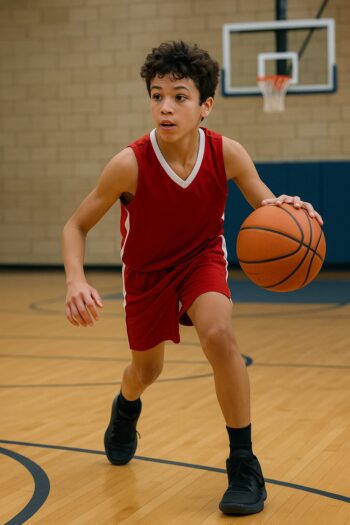
If you or your child has suffered a foot/ankle ankle, don’t miss this interview! Dr. Sanders explains what you should do if you have experienced a foot/ankle injury and what risk factors your child can address right now to lower their risk of injury. He goes on to share when surgery may be appropriate and when conservative options like physical therapy are a better choice. He even shares his experiences as an athlete, playing rugby, and how that lead him to specialize in helping injured athletes!

Dr. Thomas Sanders, MD, is an orthopedic foot and ankle specialist at the Centers for Advanced Orthopedics in Northern Virginia and Chief of Foot and Ankle surgery for the INOVA Health system. Dr. Sanders specializes in the treatment of ankle arthritis, lower extremity trauma, and fractures of the ankle and foot. He also helps patients in the Washington, DC, area with post-traumatic reconstruction, midfoot and forefoot arthritis, flatfoot reconstruction, and bunions/hammertoes.

To learn more about Dr. Sanders, click here and check out our interview below!


×