Physical Therapy Didn’t Work…

I tried physical therapy and it didn’t work.

Many of our patients in Bethesda have seen other physical therapists prior to seeing us. In their previous physical therapy experiences, they did not achieve the results that they were looking for and are coming to us for answers.

Personally, I love working with these people because they continue to believe that our profession can help them. However, negative experiences in physical therapy often cause many others to lose faith in the profession.

Perhaps you are one of these people. If so, I don’t blame you as I once was in your shoes!

When I was in High School, I experienced a quadricep injury that was impacting my ability to play football.

I went to my local physical therapy practice searching for help in overcoming this injury and play in my junior season. It was going to be my first season starting on both offense and defense causing this injury to constantly remain in the front of my mind.

My introduction to physical therapy was not what I had hoped for, and I now realize that my physical therapists were not taking great care of me (to learn more about how you can determine if this is the case, see my latest blog here).

Luckily, I was still able to play in my season and was back to 100% by the middle of the year. However, I can’t help but wonder if I would have been fully healthy to start the season if I saw a different physical therapist.

Like all other professions, the physical therapy industry has great professionals and poor ones. Furthermore, some physical therapists specialize with athletes, some with cardiac patients and others with people living in nursing homes.

As a result, my hope is that instead of saying “I tried physical therapy and it didn’t work”, you say “This physical therapist or physical therapy practice didn’t provide the results that I was looking for and I need to find someone that is a better fit for what I need.” 
Where You May Be Cheating Your Pushups (Video Included)

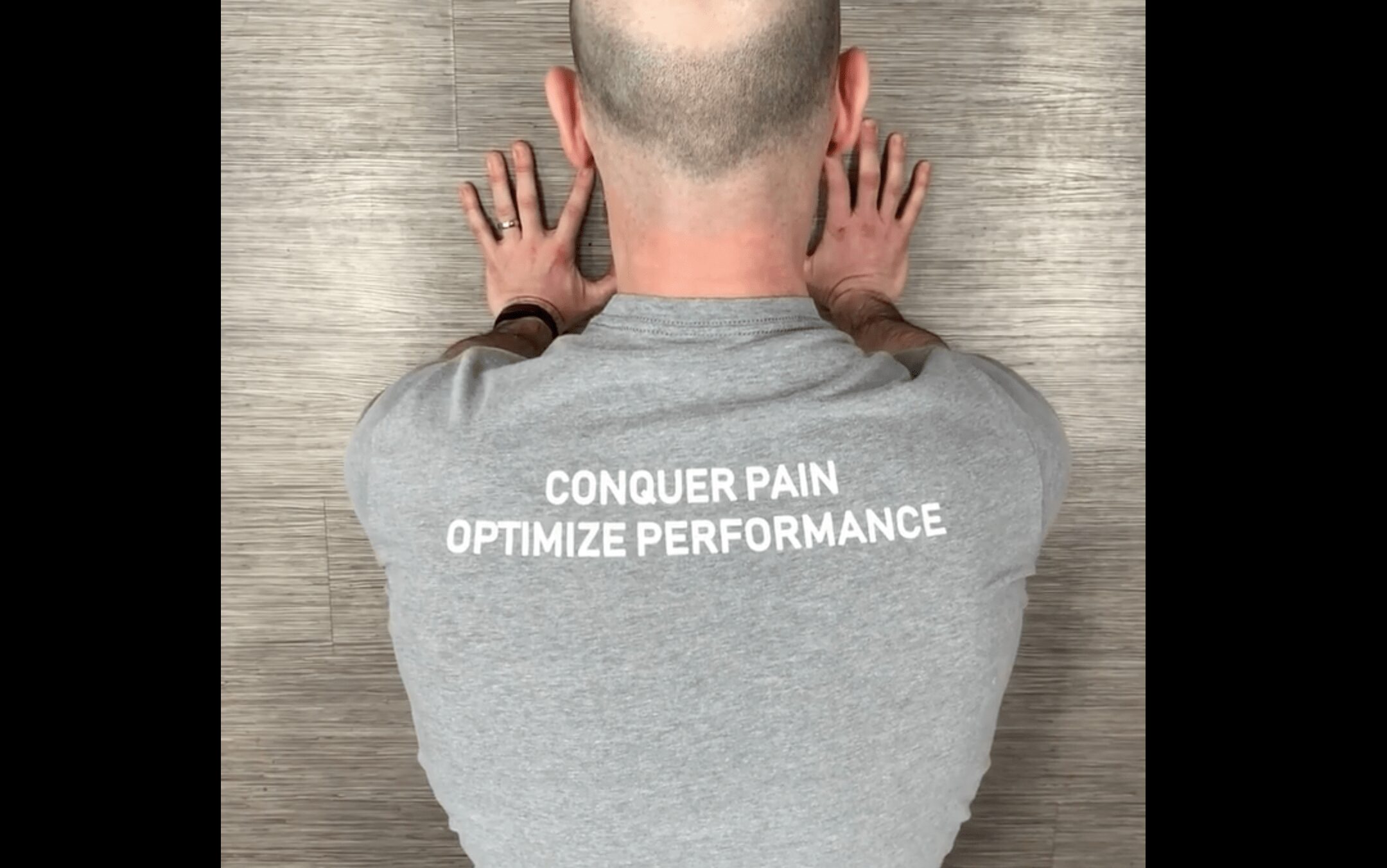
Let’s stop cheating our pushups and making the injury rehabilitation process more challenging! 

There is a simple way to make our pushups easier. Allow for your shoulder blades to pinch together and limit the motion’s range of motion . Less distance required for the push up=less effort. 

However, is this better for you?

Allowing your shoulder blades to pinch together excessively when performing a pushup places more strain onto the shoulder joint and may lead you to a physical therapy clinic like ours. Because the shoulder blades are pinched together, they are no longer able to move effectively and contribute to the exercise. More strain is placed onto the shoulder joint as it is forced to pick up the slack. 

Correcting this common compensation may prevent you from “repping out” the same number of pushups however you will get more out of the exercise. In addition, your shoulders will be healthier in long run!

The video below helps to illustrate this difference.

Video 1: The shoulder blades immediately come together.

Video 2: Begins by reaching away from the floor thus helping the shoulder blades to start in a more protracted (spread apart) position. From there they move slowly together as the body descends to the floor and spread apart again on the way back to the starting position.

Pullup and keep your shoulders happy

The Impact of Breathing on Shoulder Function and Pull-Up Performance

As we discussed in a recent article (which you can find here), our ability (or lack thereof) to breathe effectively can significantly influence shoulder function. This is a common area of focus in sports physical therapy and performance training, particularly for runners. Breathing can affect posture, shoulder mobility, and even lead to issues like clicking, popping, or decreased strength in the shoulders.

Among these factors, reduced shoulder mobility is often the most noticeable.

In many cases, a slight reduction in shoulder mobility isn’t problematic unless you’re engaging in exercises that demand extensive shoulder movement.

One such exercise is the pull-up or chin-up. Performing these exercises correctly requires substantial shoulder flexion and overhead pulling strength. When these abilities are lacking, the body tends to compensate in ways that can affect form and function.

A common compensation is leaning back and puffing out the chest when initiating the movement from a hanging position. This causes the front ribs to flare out, altering the position of the shoulders and reducing their overall effectiveness.

So, how can you ensure proper form during vertical pulling movements like pull-ups and chin-ups?

The key is to perform these movements in a tucked position. This position flexes the hips, aligning the pelvis underneath the body, which makes it difficult to excessively puff out the chest.

However, be prepared—this position makes chin-ups and pull-ups significantly more challenging!

Not only does it increase the workload for your abdominals, but anytime you eliminate compensations, the movement becomes more demanding.

When starting out, try supporting your legs or feet. Once you’ve mastered this, progress to holding them up on your own.

Check out this video of Dr. Cohen incorporating these techniques into his training routine.

Does Your Metabolism Actually Slow As You Age?

As we age it is common to feel that it is increasingly difficult to prevent injury or reach our fitness goals. We have spoken to many people in Bethesda that feel the help of a physical therapist is inevitable. Many challenges that are experienced are often attributed to a slowing metabolism.

However, this may not be the case.

There has been evidence that suggests that our metabolism doesn’t slow much, if at all, during adulthood. However, even if we later discover that some of these findings are misleading, a slowing metabolism is not the only reason that it takes longer to recover from injuries or fail to reach our fitness goals as we age.

Many of the challenges associated with aging stem from lifestyle changes.

In modern times humans have become more sedentary as we age. We no longer participate in organized sports, play outdoor games with our friends, and migrate to sedentary desk jobs for much of the day. This results in a large decrease in our daily energy expenditure and increases our risk of injury. Prolonged sedentary activity causes our body to become de-conditioned and less prepared for the rigors of life. As an example, this is why we suggest partaking in a running analysis prior to training for a race.

Another factor we may not realize is that as we get older, we take on a lot more responsibility.

Think back to your teenage years or time in your 20s. Did you have a lot of worries back then? A career? Family commitments? A mortgage? As these “adult things” add up, so do our commitments, resulting in less free time. Less time for exercise, less time for self-care, and less time for sleep.

Countless studies have shown us that as sleep decreases our health is negatively impacted in several ways, including an increased risk of orthopedic injury.

While it may be easy to see all of this as a negative, the good news is that many of the seemingly negative effects of aging are not as inevitable as we may have thought! Furthermore, feeling better and healthier doesn’t require you to be perfect.

As performance physical therapists, we help our patients identify the smallest possible improvement that will make the largest possible impact to overcome an injury.


Image Information

“Tiantan Park-life: The Elderly Exercising in China’s Parks – Parallel Bars” by _chrisUK is licensed under CC BY-NC-ND 2.0


A Window to Cardiovascular Health

“Casual Runner” by Chris Hunkeler is licensed under CC BY-SA 2.0

Resting heart rate paints a vivid picture of cardiovascular health and impacts the body’s response to sports physical therapy interventions. RHR, or resting heart rate, is the number of times the heart beats per minute when the body is not physically active — such as when sitting.

According to the Mayo Clinic, the “normal” range for a resting heart rate is between 60 and 100 beats per minute (BPM), though resting heart rates vary from person to person based on various circumstances. For example, resting heart rate is significantly influenced by mood, environment, cardiovascular fitness, and stress.

As a rule of thumb — as cardiovascular health increases, resting heart rate tends to decrease. Therefore, athletes often have lower resting heart rates than those that do not regularly exercise. That said, resting heart rate is an important measure for anyone looking to improve their overall health.

What Your Resting Heart Rate Says About Your Cardiovascular Health

The heart is responsible for pumping blood and oxygen throughout the body. An elevated resting heart rate causes increased strain on the heart, often  linked to high blood pressure, high cholesterol, and a higher risk of heart disease.

A resting heart rate of more than 100 BPM is called tachycardia, whereas an RHR below 60 beats per minute is called bradycardia.

Other than a few exceptions (for example, medications that lower the heart rate), a lower resting heart rate is an indication that the heart is more efficiently pumping blood, requiring fewer beats per minute to distribute blood throughout the body. Because each beat is more powerful, the heart is much stronger than one with a high resting heart rate.

Fortunately, there are many ways to improve resting heart rate, thus improving overall cardiovascular health.

How To Improve Your Resting Heart Rate

This is where cardiovascular exercise comes in handy. A recent study conducted at the University of Lousiville concluded that regular exercise effectively lowers resting heart rate, which reduces the risk of cardiovascular disease.

We think of cardiovascular exercise as strength training for the heart. Aerobic workouts, like walking, jogging, or swimming, train your body to use oxygen more efficiently, which gradually reduces your resting heart rate and breathing rate — both of which are important factors of cardiovascular health.

A more efficient heart can even help athletes recover quicker between grueling workouts. Plus, it allows many of our physical therapy patients in Chevy Chase and Bethesda to better adapt to the physical demands of their lives.

Final Thoughts

Resting heart rate is an important measure of cardiovascular health. A significantly high resting heart rate often correlates with many health problems such as cardiovascular disease, high blood pressure, and high cholesterol. Conversely, a low resting heart rate indicates a strong, healthy cardiovascular system.

If you’re struggling to improve your resting heart rate, try adding in regular cardiovascular exercise to gradually improve cardiovascular efficiency. Resting heart rate will improve as a byproduct.

If you’d like to work directly with a physical therapist in Chevy Chase or Bethesda to help you with this, please contact us today to schedule a free consultation!

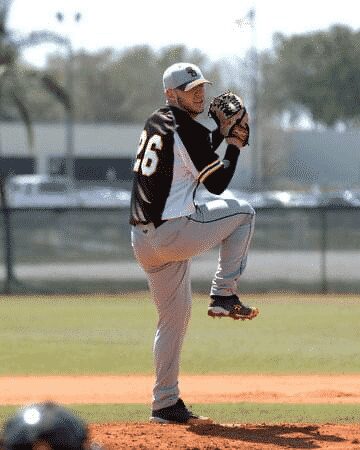
Arm Care in Baseball is More Than Pitch Counts

The number of shoulder and elbow injuries in youth baseball pitchers is on the rise and we consistently see these injuries for performance physical therapy. In response, consistent efforts have been made to better monitor the amount of stress taken by pitchers after each visit to the mound.

For many years, this was done by simply limiting the number of innings an athlete could pitch and setting a specific number of rest days between outings. More recently, pitch counts have become the standard for tracking a pitcher’s workload. However, while this change is an improvement, pitch counts do not tell the entire story.

What pitch count fails to account for is the varying intensities between throws. For example, a throw at 100% effort has a very different intensity than a throw at 50%. This is why efforts have been made in recent years to more accurately track the intensity, or workload, of a pitcher while on the mound.

A Better Method to Track Stress: Workload

According to athletic physical therapy, a more reliable measure of stress is the acute to chronic workload ratio (ACWR). Acute workload refers to the average workload of a single day over the past 9 days, whereas chronic workload refers to the average one-day workload over the past 28 days.

Research by sports scientist Tim Gabbett has shown that spikes in acute workloads, such as quickly increasing pitch count to more than the body is used to, can increase the risk of injury.

Calculating Your ACWR

There are two main ways to calculate the acute to chronic workload ratio.

The first is to use a series of formulas using pitch count and a subjective rating of perceived exertion (RPE), ranging on a scale of 1–10.

  1. Calculate acute workload by multiplying the number of high-intensity throws (around 70% of full effort or more) by the athlete’s RPE.
  2. Calculate chronic workload by calculating the weekly acute workload average of the past four weeks.

Once you have the acute and chronic workload, divide the acute workload by the chronic workload to get the ACWR.

The second and perhaps much simpler method is to use wearable technology. For example, in recent years, technology has become available to track the stress on a pitcher more accurately after an outing.

Sensors such as the MotusTHROW can accurately measure the amount of force placed on an athlete’s elbow during each throw. This data can be applied to calculate the ACWR to safely and effectively determine when a pitcher needs rest or is ready for their next high-intensity outing.

If you’d like to learn more about keeping your son or daughter safe on the mound, our experienced athletic physical therapy and injury rehabilitation team in Bethesda can help!

×