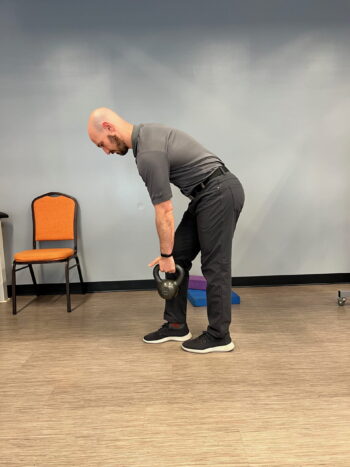
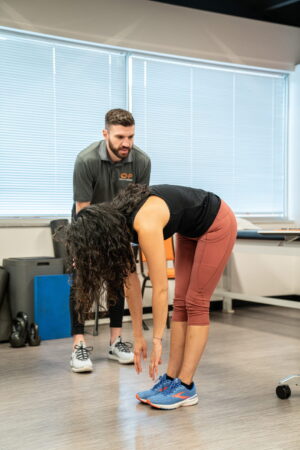
Traditional physical therapy advice resulting in a fragile spine

Have you been told to always keep your back straight and stiff when lifting? When it comes to preventing back pain, the truth is, it’s not as simple as that.

For years, the advice to lift with a “perfectly straight back” has been the go-to solution, but there’s no solid evidence that it reduces back pain or injury. Surprised? Let’s explore why this outdated advice might be holding you back and how back pain physical therapy can help you build a stronger, more resilient back.

Debunking the “Straight Spine” Rule

The idea of lifting with a straight, neutral spine has been considered the gold standard for decades. It seems logical: keep your back rigid to keep it safe. But studies reveal that this advice hasn’t reduced back injuries in the workplace. Why? Because back pain isn’t caused by a single factor like lifting posture.

Back Pain: A Multifactorial Issue

Back pain is influenced by many factors—age, fitness level, recovery habits, stress, and even sleep quality. If you’ve experienced back pain after lifting, chances are the issue wasn’t simply bending your spine. The root cause is often a combination of problems, like poor endurance, lack of strength, or inadequate recovery.

Physical therapy for back pain can help you address these factors by improving your overall strength and movement capacity, rather than just focusing on how you lift.

Why Avoiding Spinal Flexion Can Be Harmful

The advice to “never bend your back” can actually weaken your spine over time. Avoiding natural movements like bending or twisting may leave your back less prepared for real-world demands.

Think about it: everyday life involves movements like lifting a laundry basket, picking up a child, or twisting to grab something off a shelf. Avoiding these actions doesn’t protect you—it makes your back less adaptable and more vulnerable to injury.

Through physical therapy, you can safely reintroduce these movements and build the confidence and strength needed to handle life’s physical demands.

How to Build a Strong, Pain-Free Back

Preventing back pain isn’t about avoiding movement—it’s about building strength and resilience. Here’s how physical therapy can help:

  1. Train for Everyday Life: Your physical therapist will guide you through exercises that mirror real-world movements, like squats, deadlifts, and rotational lifts.
  2. Gradual Progression: With a personalized plan, you’ll start with lighter loads and progress over time, preparing your spine for various challenges.
  3. Movement Variety: Learn how to lift using different techniques—straight back for heavier loads, rounded back for lighter ones—to build adaptability and confidence.
  4. Listen to Your Body: If a movement feels painful, your therapist will help you modify it and reintroduce it as you get stronger.

The Role of Physical Therapy in Back Pain Recovery

If you’re recovering from a back injury, physical therapy for back pain can help you uncover the root cause of your discomfort and create a tailored plan to address it. This approach not only relieves pain but also prevents future issues by improving strength, mobility, and movement patterns.

Take Control of Your Back Pain Today

Rigid rules like “always lift with a straight back” oversimplify a complex issue. Instead of avoiding movement, embrace it. With the right guidance from physical therapy, you can prepare your back for life’s twists and turns while building strength and resilience.

If you’re ready to overcome back pain and get back to the activities you love—whether it’s the gym or everyday tasks—schedule an evaluation with one of our expert Doctors of Physical Therapy. Click here to get started!

Let’s build a stronger, pain-free back together. Because when it comes to your spine, you’re stronger than you think.

Say goodbye to back pain

How to Conquer Back Pain Through Physical Therapy

Did you know that, according to the World Health Organization, low back pain is the single leading cause of disability worldwide? That’s right—millions of people struggle with back pain, making it a global health concern.

For those who regularly engage in physical activity, the likelihood of experiencing back pain is even higher. Experts estimate that over 50% of people who maintain a consistent workout routine will experience back pain at some point. That’s most of us who are committed to staying fit and active! But here’s the good news—you don’t have to be part of that statistic.

Back Pain Physical Therapy: The Key to Long-Term Relief

Whether you’re dealing with chronic discomfort or the occasional back twinge, physical therapy can be an essential tool in your recovery process. It’s not just about managing pain; it’s about addressing the underlying issues and building strength to prevent future injuries.

What Can You Expect from Physical Therapy for Back Pain?

When working with the Doctors of Physical Therapy at Cohen Health and Performance, you will experience a personalized approach to pain relief. Unlike generic online advice, our physical therapy treatment plans are tailored to your specific needs. Here’s what you’ll learn in a structured, professional physical therapy program:

1. The Common Mistakes Most Active People Make
Many individuals who exercise regularly don’t realize that ineffective exercise programming and a limitation in the physical qualities necessary for certain exercises, are primary culprits behind back pain. Physical therapy helps identify and correct these issues, ensuring that your workouts are both safe and effective.

2. Exercises to Relieve Back Pain Immediately
Our sports physical therapists are experts at creating exercise programs designed to target the main factor that is resulting in your pain. Whether it’s strengthening your core, increasing mobility or increasing your movement repertoire, you’ll be given specific movements that can immediately alleviate pressure and discomfort in your lower back. These exercises are safe, effective, and can be done anywhere—no need for fancy equipment.

3. Long-Term Strategies to Prevent Future Back Pain Flare-Ups
One of the greatest benefits of physical therapy is learning how to avoid back pain altogether. By adopting a more well-rounded training routine, you can prevent future injuries. Your therapist will also help you incorporate adjustments into your everyday activities, such as how you sit at your desk, to safeguard your back during intense training sessions and day-to-day life.

Sign Up for Our Free Workshop on Back Pain and Physical Therapy!

Join me and my team of experts for an exciting and FREE interactive workshop on how to conquer back pain through physical therapy. In this workshop, we’ll show you how to modify your workouts and daily habits to drastically reduce or even eliminate back pain. You won’t find these specialized insights on WebMD or Google; this is expert advice rooted in years of experience and in-depth training.

In this workshop, you’ll learn:
– The key mistakes active people make that lead to back pain
– Simple, easy-to-follow exercises to relieve pressure on your back right now
– How to prevent future flare-ups, even during intense training sessions

Don’t Miss Out—Register Now!

But hurry—spots are limited, and they’re filling up fast. This is your chance to take control of your back health and live pain-free with the help of physical therapy.

Sign Up Here

By joining this workshop, you’ll get personalized tips and strategies to ensure that you can continue pursuing your fitness goals without the burden of back pain.

Learn to keep back pain at bay!

Does back pain keep creeping up during your workouts?

You’re not alone—back pain is one of the most common issues people face, especially when they lead an active lifestyle. Whether you’re an athlete, weekend warrior, or just someone trying to stay fit, back pain can significantly hinder your performance and even discourage you from exercising altogether. In fact, back pain is one of the leading reasons people seek physical therapy.

Think of your body like a high-performance car engine. If you let that engine sit idle for too long without maintenance, it starts to misfire. And when you push yourself during workouts without addressing these underlying issues, that’s when the back pain flares up. Many people continue this cycle of inactivity and painful workouts, but there is a better way to break free from this loop.

Physical therapy for back pain at Cohen Health and Performance is specifically designed to identify the root causes of your discomfort. Often, back pain arises from muscle imbalances, lack of core strength, limitations in movement variability, or faulty loading patterns. The goal of physical therapy for people with back pain back pain is to address these issues through a combination of exercises, manual therapy, and education. Our Doctors of physical therapy are experts in movement and biomechanics, meaning they can pinpoint the exact source of your pain and help you make targeted improvements.

Here’s the good news: you don’t need to completely overhaul your lifestyle! A few small but significant adjustments, like discovering new movement strategies, strengthening your core, and improving your mobility, can help relieve pain and prevent it from returning. Physical therapy can teach you how to safely modify your workouts, reduce strain on your back, and build resilience so you can train harder and longer—without the risk of injury.

At Cohen Health and Performance, we specialize in helping active people with physical therapy plans that are personalized to fit their specific needs. Whether you’re dealing with chronic back pain or recent discomfort, our evidence-based approach focuses on long-term relief and injury prevention. We emphasize hands-on techniques, combined with functional exercises that improve strength, mobility, and posture, so you can move freely without pain.

We invite you to join us for a FREE, hands-on workshop where we’ll teach you 3 game-changing strategies to reduce back pain and keep your workouts pain-free. Our expert team will walk you through simple but effective techniques commonly used in back pain physical therapy to help you manage discomfort and optimize your performance.

“Keep Training from Being a Pain in the Back”
Saturday, October 5th at 9 am

Cohen Health and Performance – McLean
1401 Chain Bridge Rd., Suite 203
McLean, VA 22101

There are only 10 more spots available, so don’t miss out on this opportunity to learn practical techniques from trained physical therapists. This workshop will empower you to take control of your pain and equip you with the tools to train safely and effectively. By incorporating these back pain physical therapy strategies, you’ll not only reduce pain but also improve your overall health and fitness performance.

Reserve your spot now and put an end to back pain while taking your training to the next level!

Looking forward to seeing you there!

How physical therapy helped my back

In life, sometimes our greatest challenges end up leading us to our most valuable lessons. That was certainly the case for me when an unexpected back injury abruptly ended my college football career. At the time, it felt like everything I had worked for was slipping through my fingers. Little did I know, this injury would be a turning point that not only introduced me to the world of physical therapy but also set me on a lifelong journey of health, healing, and helping others.

Physical therapy became my path to recovery and taught me that our bodies are incredibly resilient when given the right care and attention. Years later, I’m still working to maintain my back health, even after being told I might need spine surgery. And the best part? Today, I feel stronger than ever.

The Power of Physical Therapy in Back Recovery

One of the core concepts I learned in physical therapy is the importance of maintaining the “stack” of the body. This term refers to properly aligning your head, rib cage, and pelvis. Imagine a snowman where each ball is stacked neatly on top of the other. If one of the balls starts rolling out of place, the entire snowman is at risk of falling. Similarly, when any part of our alignment gets disrupted—whether it’s the head, rib cage, or pelvis—it can lead to back pain.

An inability to maintain the stack is a common problem for people recovering from back injuries. Through physical therapy, I learned exercises to restore and maintain this balance, ensuring that my body remains in safe positions even during challenging movements.

3 Exercises to Maintain Back Health

I’ve incorporated many exercises into my routine over the years, but these three drills have been particularly helpful as of late:

1. Kettlebell Pullover

2. Physioball Rollout

3. Wall-Supported Bear March

These three exercises have become staples in my warm-up routine. They not only help me maintain my back health but also prepare my body for more intense workouts by ensuring that my core is activated and my stack is on point!

Join Me for a Free Back Pain Workshop!

If you’ve ever struggled with back pain or found it difficult to train without back discomfort, I want to help. Join me for a FREE workshop where I’ll share my “go-to” drills that can help you reduce back pain and strengthen your body.

– When: Saturday, October 5th at 9 AM
– Where: Cohen Health and Performance-McLean

During this session, we’ll dive deep into these exercises, as well as other essential physical therapy techniques, to help you get your body back on track. Whether you’ve had a back injury in the past or are simply looking to optimize your health, this workshop will give you the tools you need to succeed.

Spots are limited—there are only 15 available, so don’t wait to sign up! If you’re ready to eliminate back pain for good and take control of your health, this is the perfect opportunity.

Click HERE for more information and to reserve your spot.

A more scientific approach to back pain physical therapy

In today’s fast-paced society, where the norm often involves juggling work, personal commitments, and social obligations, finding moments to relax can seem like a luxury.

Relaxation not only recharges our batteries but also plays a crucial role in enhancing outcomes in various areas, including physical therapy. However, this shift to a more sedentary lifestyle during breaks can have unintended consequences, particularly for those accustomed to being on the move. One common issue arising from extended periods of inactivity is back discomfort, a symptom familiar to many.

Research indicates a clear link between reduced daily movement and an increased risk of lower back pain. The human spine is engineered for movement, with the structures in our lower backs, especially our discs, relying on regular motion to receive proper nutrition and maintain blood flow. Being sedentary disrupts this essential process, potentially leading to discomfort and pain, especially for individuals with a history of lower back issues. During holiday seasons or any prolonged period of inactivity, the risk of experiencing lower back pain can significantly increase.

Given the increased risk of back pain associated with decreased activity, incorporating specific movements into one’s daily routine becomes paramount. These activities are not only designed to mitigate discomfort but also aim to activate the spine’s stabilizing mechanisms, fostering a healthier back. As a part of a “movement break,” the following exercises can offer significant benefits:

Spinal Segmentation: This involves performing spinal waves in each direction, aiming for three waves. The exercise promotes flexibility and mobility in the spine, encouraging each vertebra to move independently. This can help alleviate stiffness and improve circulation throughout the back

Kettlebell Windmill (do not use a kettlebell if you don’t have one available):


Physioball Rollouts: Complete 2-3 sets of five rollouts, incorporating a breath at the top of each repetition. This activity strengthens the core and lower back muscles, supporting spinal health and reducing the risk of pain.

For those who find themselves struggling with chronic back pain, it may be time to consider a more structured approach to recovery. Back pain physical therapy offers a tailored solution to address the root causes of pain, employing a variety of techniques to improve mobility, strengthen the back, and ultimately enhance one’s quality of life.

Physical therapy for back pain encompasses a comprehensive evaluation to determine the specific needs of each individual, followed by the creation of a personalized treatment plan.

This plan may include manual therapy, targeted exercises, education on proper body mechanics, and strategies for pain management. Physical therapists specialize in understanding the complexities of back pain and work closely with patients to develop effective strategies for relief and recovery.

If you’re looking to address your back pain effectively, consider reaching out to a physical therapy clinic. For residents in the McLean or Bethesda areas, our clinics are equipped with the expertise and resources needed to tackle chronic back pain head-on. By setting up an evaluation for back pain physical therapy, you’ll be taking a crucial step towards regaining comfort and mobility, allowing you to return to the activities you enjoy without being held back by pain.

Remember, back health is vital for overall well-being. Taking proactive steps through physical therapy can not only alleviate current discomfort but also prevent future episodes of back pain. As we continue to navigate the demands of modern life, let’s not forget the importance of movement and the significant impact it has on our physical health, especially when it comes to maintaining a strong and healthy back.

Low Back Pain Physical Therapy

Physical therapy stands as a cornerstone treatment for most variations of lower back pain.

Our approach involves specialized exercises aimed at improving the body’s ability to control intra-abdominal pressure (the pressure we use to stabilize our low back),  the lower back’s muscular endurance/loading capacity and conditioning the spine’s supportive structures.

Objectives for Therapeutic Intervention

The primary and secondary objectives for engaging in physical therapy for back discomfort are multi-tiered:

  • Alleviate pain in the lumbar region and any referred symptoms into the legs.
  • Improve functional capacity for day-to-day independence.
  • Improve dynamic spinal mobility.
  • Develop an exercise program designed to improve the low back’s stress tolerance

Don’t forget, the back often takes the brunt of the stress when other areas aren’t doing their job. These exercises are not isolated to the back but target the entire kinetic chain—interlinked segments of the body that collaborate for movement.

Therapeutic Outcomes

Patients in physical therapy first must get out of pain and return to their previous level of function.  Comprehensive studies reveal that physical therapy can improve symptoms of lower back pain by up to 60%.

Exercise for Low Back Pain Management

  1. Core Muscle Fortification

Central to mitigating lower back pain is the strengthening of core muscles, enveloping the abdomen, back, and the base of the lungs. A robust core ensures even weight distribution across the spine and optimal control of the intra-abdominal pressure that we use to stabilize the pain, thus mitigating pain. Targeted exercises like 90/90 hip lifts and bear positions are integral to this strengthening process.

  1. Dynamic Lumbar Stability

Mobility and strength in the lumbar region and legs are crucial for spinal support. Specific stretching exercises that teach the spine to move at each of its segments helps to strengthen pivotal muscles, fostering stability, control and pain alleviation.


  1. Cardiovascular Conditioning

Cardio exercises go beyond heart health—they rejuvenate spinal muscles, enhancing flexibility and mobility, essential for managing back pain. Activities such as walking and swimming are particularly effective.

  1. Postural Help

Optimal posture can significantly reduce strain, with exercises designed to teach patients how to “stack” their head, rib cage and pelvis over one another help to reduce strain on the spine and contributes to spinal stability.

A Collaborative Therapeutic Journey

A physical therapist’s role is vital in creating a program that educates and trains patients in the execution of these exercises.

Physical Therapy’s Applicability to Different Types of Back Pain

Most lower back conditions are amenable to physical therapy, barring urgent medical scenarios. The specifics of the pain and injury determine the therapy regimen, catering to conditions ranging from axial back pain to sciatica and postoperative recovery.

Program Duration and Complementary Therapies

The length of therapy depends on pain severity, often commencing with an eight-week guided program, followed by a home-based continuation. Back pain physical therapy might be augmented with other treatments such as massage, manual therapy, acupuncture, and in some cases, injections or medications, alongside self-treatments like heat and cold therapy for pain mitigation and tissue healing.

×