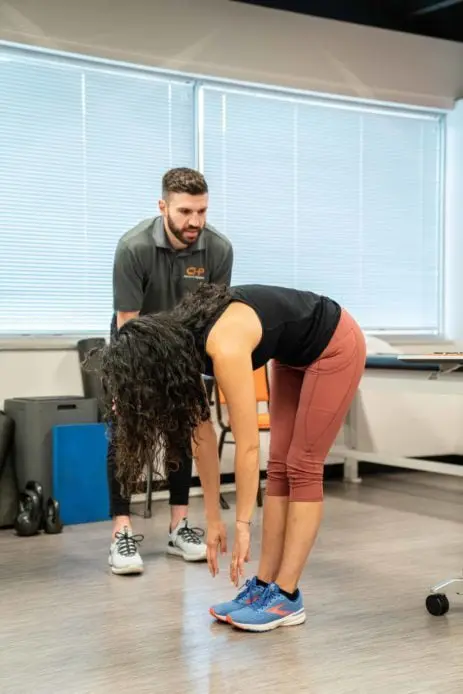
Low Back Pain Physical Therapy

Physical therapy stands as a cornerstone treatment for most variations of lower back pain.

Our approach involves specialized exercises aimed at improving the body’s ability to control intra-abdominal pressure (the pressure we use to stabilize our low back),  the lower back’s muscular endurance/loading capacity and conditioning the spine’s supportive structures.

Objectives for Therapeutic Intervention

The primary and secondary objectives for engaging in physical therapy for back discomfort are multi-tiered:

  • Alleviate pain in the lumbar region and any referred symptoms into the legs.
  • Improve functional capacity for day-to-day independence.
  • Improve dynamic spinal mobility.
  • Develop an exercise program designed to improve the low back’s stress tolerance

Don’t forget, the back often takes the brunt of the stress when other areas aren’t doing their job. These exercises are not isolated to the back but target the entire kinetic chain—interlinked segments of the body that collaborate for movement.

Therapeutic Outcomes

Patients in physical therapy first must get out of pain and return to their previous level of function.  Comprehensive studies reveal that physical therapy can improve symptoms of lower back pain by up to 60%.

Exercise for Low Back Pain Management

  1. Core Muscle Fortification

Central to mitigating lower back pain is the strengthening of core muscles, enveloping the abdomen, back, and the base of the lungs. A robust core ensures even weight distribution across the spine and optimal control of the intra-abdominal pressure that we use to stabilize the pain, thus mitigating pain. Targeted exercises like 90/90 hip lifts and bear positions are integral to this strengthening process.

  1. Dynamic Lumbar Stability

Mobility and strength in the lumbar region and legs are crucial for spinal support. Specific stretching exercises that teach the spine to move at each of its segments helps to strengthen pivotal muscles, fostering stability, control and pain alleviation.


  1. Cardiovascular Conditioning

Cardio exercises go beyond heart health—they rejuvenate spinal muscles, enhancing flexibility and mobility, essential for managing back pain. Activities such as walking and swimming are particularly effective.

  1. Postural Help

Optimal posture can significantly reduce strain, with exercises designed to teach patients how to “stack” their head, rib cage and pelvis over one another help to reduce strain on the spine and contributes to spinal stability.

A Collaborative Therapeutic Journey

A physical therapist’s role is vital in creating a program that educates and trains patients in the execution of these exercises.

Physical Therapy’s Applicability to Different Types of Back Pain

Most lower back conditions are amenable to physical therapy, barring urgent medical scenarios. The specifics of the pain and injury determine the therapy regimen, catering to conditions ranging from axial back pain to sciatica and postoperative recovery.

Program Duration and Complementary Therapies

The length of therapy depends on pain severity, often commencing with an eight-week guided program, followed by a home-based continuation. Back pain physical therapy might be augmented with other treatments such as massage, manual therapy, acupuncture, and in some cases, injections or medications, alongside self-treatments like heat and cold therapy for pain mitigation and tissue healing.
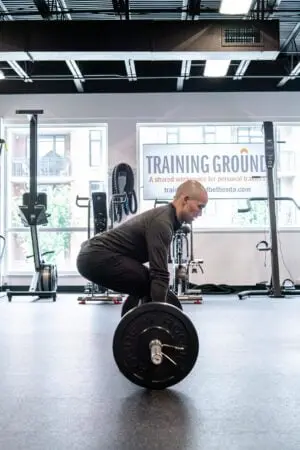
Training with back pain may only require a simple modification

Back pain is a prevalent and debilitating condition affecting a significant portion of the global population. Studies indicate that more than 70% of individuals will experience back pain at some point. The diverse ways back pain can manifest make it a complex challenge for patients and physical therapists. However, physical therapy is an effective way to alleviate and manage this common ailment without surgery.

Practitioners often encounter many symptoms and triggers when treating patients with back pain through physical therapy. One remarkable aspect of this approach is that patients, particularly physically active ones, are keenly attuned to the movements that provoke their pain. Two common movements that often exacerbate back pain are deadlifts and squats, both of which are integral to various exercise routines.

Deadlifts, which involve bending at the hips to lift objects from the ground, are notorious for triggering back pain in many individuals. This movement positions the spine horizontally relative to the ground, subjecting it to significant shearing forces. Shearing force is the mechanical stress that results from one vertebra wanting to move forward or backward relative to the one above or below it. For people with back pain, deadlifts can intensify the discomfort due to the stress placed on the spine during this movement.

Squatting is another common exercise that can exacerbate back pain, especially when performed with resistance, such as lifting weights. Unlike deadlifts, squats require a vertical orientation of the spine, leading to increased vertical compression against gravity. This added pressure can be a source of pain for many individuals suffering from back issues.

If you experience back pain, it’s essential to consider the specific movements that trigger your discomfort. Is your pain more pronounced when lifting objects from the floor or when engaging in squatting exercises with added resistance? This distinction can help guide your approach to managing and alleviating your back pain.

If deadlifting worsens your back pain, temporarily replace this exercise with squatting variations in your training program. While this isn’t a permanent solution, it can help you find relief from pain while addressing the underlying causes of your discomfort. Physical therapy can be instrumental in guiding you through these modifications and ensuring you perform the exercises correctly and safely.

Conversely, if your pain intensifies during squatting exercises with resistance, consider switching to single-leg squat variations as an alternative to traditional double-leg squats. Again, this approach is not meant to be a permanent solution but can provide temporary relief while targeting the root cause of your pain.

Consider contacting a qualified physical therapist for comprehensive support in addressing the root causes of your back pain. These professionals have the knowledge and expertise to develop personalized treatment plans tailored to your specific condition and needs. With the guidance of a physical therapist, you can work towards a long-term solution to your back pain, improving your overall quality of life and well-being.

Back pain is a common and multifaceted issue that affects many individuals. Physical therapy offers valuable solutions for managing and alleviating back pain by addressing the specific movements that trigger discomfort. Whether it’s deadlifts or squats, modifying your exercise routine with the guidance of a physical therapist can help you find relief while tackling the root causes of your pain. Don’t hesitate to seek professional assistance in your journey towards a pain-free and healthier back. Contact us for help with your back pain today!

×