What is blood flow restriction training? Should I try it?

Think of the last time that you injured your arm or leg or needed physical therapy. If you haven’t had an extremity injury, or needed sports physical therapy, congratulations, and I guess you must use your imagination.

You saw your doctor for help, and they told you to rest your injured limb for at least 4 weeks. You have no choice but to relax and allow your injured limb to get small and weak.

This is where blood flow restriction (BFR) training is a helpful part of the physical therapy process. A cuff or strap is placed tightly around a limb to reduce blood flow but not entirely block it. Exercise is then performed in this state.

This allows you to exercise at a lower intensity but enjoy many benefits of high-intensity training, such as muscle growth and improved strength.

While BFR can’t replace regular training, it is an excellent option for people that want to speed up their return from injury or are searching for ways to exercise without beating up their joints.

But restricting blood flow sounds sketchy. Is it safe?

Yes. Research has shown that BFR is safe when used with patients with no contraindications to it. As with all things, it can be unsafe when misused or placed in the wrong hands.

At Cohen Health and Performance, we use BFR both in McLean and Bethesda to limit weakness and muscle atrophy after surgery. Our patients recovering from knee surgery, such as an ACL reconstruction, have seen great results. When more strength is preserved, people have a faster recovery.

But the benefits extend far beyond people recovering from surgery. People struggling with chronic and overuse injuries can use BFR to maintain their strength without interrupting recovery. This helps people to return to the entirety of their active lifestyles much quicker.

Interested in using BFR to speed up your recovery from an injury or help you with your training? Contact us!

What Does It Mean To Be “Out of Alignment?”

“My body feel out of alignment.”

“My <insert healthcare professional here> said that my hips are off.”

“I think I just need to be adjusted.”

These are examples of a few of the comments that patients may express in physical therapy or other injury rehabilitations settings.

The belief that we are like a vehicle that needs to be re-aligned is often the fault of the healthcare industry, including physical therapy.

In the past, healthcare providers would tell their patients that a part of their body is out of alignment and needs to be adjusted to put it back in place. They explain that this is the reason for any discomfort that may be present.

Thankfully, this is no longer taught by most healthcare providers as this thought process has been disproven.

Our bodies are incredibly resilient.

Our joints do not simply fall out of alignment. In fact, our bodies are designed to move and if we were constantly “in line”, it would be impossible to move anywhere!

So, what is happening when an area of our body feels “off”?

As we perform a movement repetitively, compensations and movement limitations become more noticeable.

One area of the body may be moving excessively, while another area of the body may be moving too little.  For example, if your ankle mobility is limited during a squat, you will move excessively at the hips to pick up the slack, causing more stress in that area. As a result, pain, or the feeling of being out of alignment may occur in the hips/pelvis.

If you feel “off” or have been told that you are out of alignment, the solution is likely to begin with discovering what movement limitations may have led to this feeling in the first place. This information can then be used to teach you strategies to move and feel better!

Are you interested in discovering what solutions may be right for you? Contact us to find out more about our physical therapy services!

An Alternative to X-Rays and MRIs

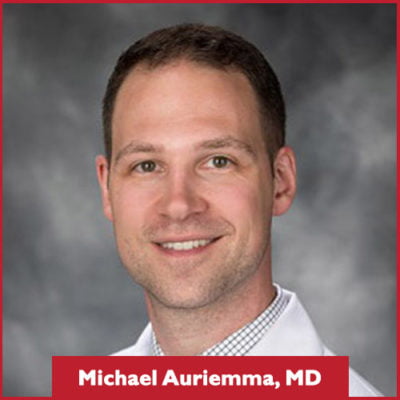
This week’s article is written by Dr. Michael Auriemma, a member of Regenerative Orthopedics and Sports Medicine. He is a key member of our physical therapy team here in Bethesda and Chevy Chase and has helped many athletes, active adults, and runners overcome injury in conjunction with a comprehensive physical therapy plan. Dr. Auriemma specializes in sports and musculoskeletal medicine, and has received extensive training in the use of sports ultrasound for both diagnostic and interventional procedures.

He is the perfect person to tell us about an alternative solution to X-rays and MRIs that also happens to be a lot easier, quicker, and more pleasant to use!

Enjoy!


Regenerative Orthopedics and Sports Medicine (ROSM) is a growing private practice centered in the DMV.  It is comprised of physicians who specialize in non-operative orthopedic and sports medicine. 

ROSM physicians strive to provide a higher quality of care through extended patient visits (ie. more 1 on 1 time with patients) and the use of diagnostic musculoskeletal ultrasound, a bedside tool that allows for real-time imaging of muscle injuries, tendon and ligament injuries, fascia injuries, arthritis, and nerve entrapments. 

In certain situations, ultrasound can eliminate the need for X-rays or MRIs, while other times it serves as a complimentary imaging modality. 

In addition to advanced diagnostics, ultrasound can also be utilized to guide targeted treatments to enhance recovery.  These include prolotherapy, platelet rich plasma (PRP), bone marrow aspirate concentrate (BMAC), and microfragmented adipose transfers (MFAT). 

ROSM physicians help patients choose appropriate treatments through a combination of evidence-based research and individual patient needs.

Visit our website to learn more!

-Dr. Michael Auriemma, MD

The Surprising Link Between How You Breathe and Your Stress Levels

Stress is something we all face, and the causes are often familiar: work demands, family issues, financial strain, and health concerns. But there’s another, often overlooked factor that can significantly contribute to heightened stress levels—your breathing.

In recent years, research in athletic physical therapy has revealed that the way you breathe plays a critical role in your body’s stress response. According to Seth Oberst, DPT, the primary modes of breathing—through the mouth or through the nose—can either exacerbate or help mitigate stress.

Mouth Breathing vs. Nose Breathing: What’s the Difference?

At first glance, it might not seem like a big deal whether you breathe through your mouth or your nose, but the two are far from equal in terms of their impact on your body.

Mouth breathing, which many people subconsciously default to, can actually increase stress levels in several ways:

1. Head Posture and Airway Alignment
When you breathe through your mouth, your head tends to jut forward in an effort to keep your airway open. This seemingly small change in posture initiates a cascade of negative effects that ripple through your entire body. Poor posture can lead to chronic tension in the neck and shoulders, further aggravating stress.

2. Reduced Nitric Oxide Intake
When you breathe through your nose, your body naturally produces and mixes nitric oxide into the air you inhale. This compound helps dilate your blood vessels, allowing for better oxygen circulation and supporting your immune system. Mouth breathing, on the other hand, bypasses this nitric oxide production, forcing you to take in larger quantities of air to compensate—an inefficient process that taxes your system.

3. Over-Activation of the Sympathetic Nervous System
Breathing through the mouth tends to increase activity in the sympathetic nervous system—the part of your body responsible for the “fight or flight” response. This system, when overstimulated, can lead to heightened stress, faster heart rates, and increased muscle tension. Over time, this constant state of over-activation can make it harder to relax, leaving you feeling perpetually on edge.

4. Disrupted Sleep and Restless Nights
You might think that physical or mental exhaustion would automatically lead to a good night’s sleep, but mouth breathing can actually disrupt your ability to rest properly. Because mouth breathing is less efficient at delivering oxygen to the brain, you may find yourself tossing and turning at night, waking up still feeling tired and unrested. This lack of quality sleep further exacerbates stress levels, creating a vicious cycle of fatigue and tension.

The Power of Nose Breathing

In contrast to mouth breathing, nose breathing can have a profoundly calming effect on both your body and mind. The nose acts as a natural filter and humidifier for the air you take in, warming it and removing harmful particles before it reaches your lungs. Nose breathing also activates the **parasympathetic nervous system**—the “rest and digest” system—which helps reduce stress, lower your heart rate, and promote a state of calm.

Moreover, because nasal breathing supports better oxygen exchange and reduces the need for over-breathing, it prevents the shallow, rapid breaths that are often associated with anxiety and panic. Over time, habitual nose breathing can help to lower baseline stress levels and enhance your overall sense of well-being.

How to Shift from Mouth Breathing to Nose Breathing

If you’re accustomed to breathing through your mouth, switching to nose breathing might feel uncomfortable at first. But with practice, you can retrain your body to make nasal breathing your default mode.

Start by dedicating 3–5 minutes a day to intentional nose breathing. Find a quiet space, close your mouth, and focus on taking slow, deep breaths in and out through your nose. You may feel resistance or a bit of difficulty at first, especially if your nasal passages are slightly congested or if you’ve developed the habit of shallow mouth breathing. Stick with it—the goal is to gradually build comfort and strength in your nasal breathing muscles.

The Long-Term Benefits of Nasal Breathing

Incorporating nasal breathing into your daily routine can lead to a host of long-term benefits, including:

– Reduced stress and anxiety
– Improved sleep quality
– Better focus and mental clarity
– Enhanced athletic performance
– Lower blood pressure and heart rate
– Decreased muscle tension and fatigue

Need Help? We’re Here for You

If you’re struggling with stress or want to improve your breathing technique for overall wellness, our experienced athletic physical therapy team in Bethesda and McLean can help. We can work with you to develop personalized breathing exercises and techniques that will not only optimize your breathing but also support your physical and mental health.

Remember, while you can survive by mouth breathing, thriving requires that you breathe with intention. Take control of how you breathe, and in turn, take control of your stress.

Why Individualized Health & Fitness Programs Are Crucial to Injury Rehabilitation

Health and fitness have never been more prevalent than they are today. From the popularization of “superfoods” like kale and avocado to the birth of new exercise routines like CrossFit and HIIT — the desire to stay healthy and fit is at an all-time high. As a physical therapy clinic in Bethesda and Chevy Chase, this is a positive change that we’re happy to see.

Now more than ever before, people are eating healthier, exercising more, and living a more balanced, holistic lifestyle. While this is a welcomed change, there’s one significant aspect of someone’s overall health that’s often neglected — the individualization of diet and exercise.

Although there are many standard practices for eating healthy and exercising correctly, each person on this planet is unique and has different health needs. For example, someone could eat what most people consider “healthy foods” — such as spinach or broccoli — but it may not be healthy for that individual or their physiological needs.

There is no straightforward, one-size-fits-all approach to health and fitness. Even a seemingly “healthy” program for nutrition or exercise may not be suitable for everyone.

Take someone who exercises regularly and eats a clean, well-balanced diet. While they may be in shape, their diet or exercise might not be a great fit for the individual’s biology, history, medical needs, or genetic makeup. If they were to switch to a program specifically designed to their needs, they would experience a significant improvement in their overall wellness.

This is not to say that eating healthy and exercising more is bad. Instead, to maximize the health benefits, an exercise program should be customized to the individual. This is why injury rehabilitation programs in Bethesda and Chevy Chase are designed specifically for the patient or client. To improve health or recover from an injury effectively, a program must be customized to a patient’s unique fitness level, physiology, and body requirements. 

×