Sports Physical Therapy and the Risk vs Reward Decision in Athletics

In the world of sports, few conversations spark more debate than an athlete choosing to compete while injured. When Lindsey Vonn stepped onto the Olympic stage at the 2026 Winter Olympics shortly after tearing her ACL, the sports world had opinions.

Should she have competed? Was it worth the risk?

At the professional level, these decisions are rarely simple. Elite athletes constantly weigh risk versus reward. Championships, contracts, and lifelong goals are often on the line. The reward can feel enormous.

But when we shift the conversation to youth and adult recreational athletes, the equation changes. This is where sports physical therapy becomes essential.

The Risk vs Reward Equation in Sports Physical Therapy

Every injured athlete is asking some version of the same question:

When can I get back?

In sports physical therapy, the better question is:

Should you get back yet?

Returning to sport is not just about pain levels. It is about tissue healing, strength symmetry, neuromuscular control, movement quality, and re injury risk. An ACL that is five or six months post surgery may feel good. But feeling good is not the same as being ready.

I once worked with a young baseball pitcher for his ACL rehab who wanted to return around the five month mark after ACL surgery. He was not going to be hitting much, so it seemed low risk in his mind. But pitching still places significant torque and rotational stress on the knee. The ligament and surrounding structures were not fully prepared for that demand.

In that case, the short term reward did not justify the long term risk.

Why Rushing Back Can Cost More Than a Season

In youth sports especially, one tournament or one season rarely defines an athlete’s future. However, a re tear, meniscus damage, or chronic instability can have long term consequences.

Without proper sports physical therapy guidance, athletes may:

  • Return before strength deficits are resolved
  • Compensate with faulty movement patterns
  • Increase their risk of secondary injury
  • Compromise long term joint health

The goal of sports physical therapy is not simply to reduce pain. It is to prepare the athlete for the exact demands of their sport. Sprinting, cutting, jumping, decelerating, rotating. Each sport has unique forces that must be trained progressively and objectively.

Professional Athletes vs Youth Athletes

Professional athletes are often making decisions with massive stakes attached. For them, the reward may justify a higher level of risk.

For middle school, high school, and adult recreational athletes, the reward is usually different. Long term development, varsity opportunities, college aspirations, and lifelong participation in sport often matter more than one immediate competition.

This is where sports physical therapy plays a critical role. We provide clarity, not emotion. We assess objective data, not just effort or desire. We guide families and athletes through informed decision making.

What Quality Sports Physical Therapy Should Provide

If you or your athlete are navigating an injury, sports physical therapy should include:

  • Clear understanding of healing timelines
  • Objective strength and power testing
  • Sport specific movement assessment
  • Gradual exposure to real game demands
  • Honest conversations about re injury risk

Our role is not to judge whether someone should compete. It is to ensure that when they do return, they are physically prepared.

Because in the long run, protecting the athlete’s future is always more important than rushing back for one game.

If you are facing a return to play decision and want expert guidance in sports physical therapy, we are here to help you make the most informed choice possible.

What Norway’s Olympic Dominance Can Teach Us About Long Term Athletic Development

I recently returned from Milan after spending a week at the Winter Olympics. Watching the best athletes in the world compete is always inspiring, but one thing stood out in a major way.

Norway, a country with a population of just five million people, is dominating the medal count. They are significantly outperforming much larger countries, including the United States.

Naturally, the question becomes: how?

One of the biggest differences may lie in how Norway approaches youth sports and long term athletic development. And for families here in Bethesda and McLean who care about performance, health, and injury prevention, there are some important lessons worth considering.

A Different Approach to Youth Sports

In Norway, the structure of youth athletics looks very different from what many of us are used to in the United States.

They do not officially keep score until around age thirteen. All children are encouraged to participate, and recognition is universal at younger ages. Athletes are not sorted into elite or travel pathways until their teenage years. Children also have input into how much they train and whether they want to compete.

As a result, approximately ninety three percent of Norwegian children participate in organized sports. That is an extraordinarily high number.

The early focus is not rankings, scholarships, or national exposure. It is enjoyment, skill development, and confidence.

Why This Matters for Sports Physical Therapy

From a sports physical therapy perspective, this approach aligns closely with what research and clinical experience show about long term athlete development.

When young athletes are not pushed into high intensity competition too early, several positive outcomes tend to occur.

They develop broader athletic foundations by playing multiple sports.

They reduce the risk of overuse injuries that are common with early specialization.

They experience less burnout and are more likely to stay active through high school and beyond.

At our sports physical therapy clinics in Bethesda and McLean, we frequently see young athletes dealing with stress fractures, tendon issues, and chronic joint pain that stem from year round specialization in a single sport. Many of these injuries are preventable with a more balanced developmental approach.

Long term performance depends on movement variability, progressive loading, and internal motivation. When athletes enjoy the process, they are more consistent. When they are consistent, they improve.

Early Specialization and Injury Risk

In the United States, it is common to see travel teams at very young ages, national rankings in middle school, and pressure to gain exposure early. While ambition is not inherently problematic, the timeline often becomes compressed.

Early specialization can increase cumulative tissue stress before the athlete has developed adequate strength, coordination, and movement control. From a sports physical therapy standpoint, this increases injury risk.

We often remind families that the body adapts to progressive stress. It does not adapt well to repetitive overload without variation. Multi sport participation during childhood builds a more resilient athlete.

Internal Motivation Drives Longevity

Another important factor is motivation. When participation is driven primarily by external pressure, burnout rates increase. When athletes are internally motivated, they are more likely to remain engaged long term.

Norway’s emphasis on fun and autonomy appears to support that internal drive. The Olympic results may be a byproduct of sustained participation rather than early intensity.

For adult athletes reading this, the lesson is similar. Sustainable training and intelligent load management matter more than short bursts of overreaching. Longevity in sport is a performance advantage.

What This Means for Parents and Athletes

If you are the parent of a youth athlete, especially before high school, consider the following principles.

Encourage multi sport participation to build broad movement skills.

Allow your child input into training volume and competition level when appropriate.

Prioritize skill development and confidence over rankings and short term wins.

Support transitions if they want to explore different sports or adjust their level of participation.

For adult athletes, the takeaway is to build intelligently. Progress gradually. Address movement limitations early. Treat minor issues before they become chronic injuries.

How Sports Physical Therapy Supports Long Term Development

High quality sports physical therapy is not just about treating injuries. It is about optimizing movement, managing load, and creating resilient athletes.

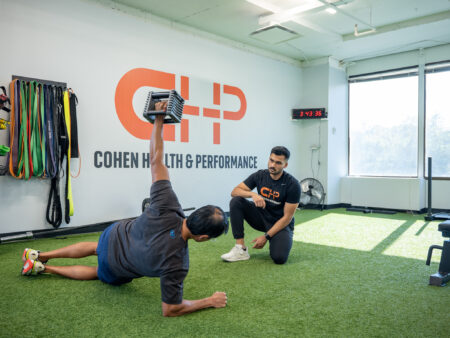
At Cohen Health and Performance in Bethesda and McLean, we focus on one on one care that integrates rehabilitation with strength and performance training. Our goal is not simply to get athletes out of pain. It is to help them move better, perform better, and stay in the game longer.

Whether you are a youth athlete navigating growth and competition or an adult athlete pursuing performance goals, the principles remain the same. Sustainable development outperforms rushed progression.

Norway’s Olympic success may offer a simple reminder.

Long term health and enjoyment of sport are not obstacles to performance. They are often the foundation of it.

If you or your athlete are dealing with pain, recurrent injuries, or questions about safe progression in training, schedule an evaluation with our sports physical therapy team in Bethesda or McLean.

Investing in longevity is one of the smartest performance decisions you can make.

Winter Running Tips from a Performance Physical Therapist

Running through the winter months can be a challenge, especially when cold temperatures, ice, and wind threaten to derail your training. But with the right strategy, runners can stay consistent, healthy, and injury-free all season long.

Today, we’re excited to share insights from Dr. Elizabeth Farmer, a Performance Physical Therapist at our Bethesda location and an avid runner herself. After logging miles in recent frigid DC conditions, Dr. Farmer combined her personal experience with her clinical expertise in physical therapy for runners to share practical tips that help runners safely train outdoors during the winter.

If you hate the treadmill but feel stuck indoors every time the temperature drops, these tips are for you.

1. Dress Smart with Thin, Layered Clothing

When it comes to winter running, layering is key. Instead of bulky clothing that restricts movement, opt for multiple thin layers that trap warmth while allowing sweat to escape.

Dr. Farmer recommends:

  • Tucking shirts into leggings or tights
  • Wearing wool socks tucked into leggings
  • Using merino wool base layers for temperature regulation and moisture control

On a recent easy run in 7°F temperatures (with a 2°F windchill), Dr. Farmer wore two pairs of leggings (one fleece-lined), a merino wool long-sleeve shirt, a lightweight sweatshirt, a windbreaker, gloves, a beanie, and tall wool socks and was warm enough to break a sweat within the first mile.

Proper layering helps runners maintain performance while reducing the risk of muscle tightness and cold-related injury.

2. Keep Your Pace Easy on Icy Surfaces

Winter running requires flexibility. If you’re unsure whether your route is icy or clear, prioritize safety over speed.

Running at an easy pace allows you to:

  • Adjust to unpredictable footing
  • Reduce fall risk
  • Avoid compensations that lead to overuse injuries

For runners in Bethesda, the Maryland portion of the Capital Crescent Trail has been plowed and is often more ice-free than neighborhood roads. Regardless of location, always assess conditions before attempting speed work.

From a physical therapy for runners perspective, slips and sudden muscle guarding are common causes of winter injuries, especially to the calves, hamstrings, and low back.

3. Warm Up Indoors Before Heading Out

Cold weather works against your body’s natural ability to warm up. That’s why an indoor warm-up is even more important in winter.

Dr. Farmer recommends completing your entire warm-up inside so you’re already warm before stepping outdoors. This helps:

  • Improve mobility
  • Reduce stiffness
  • Lower injury risk during the first mile

A proper warm-up is one of the simplest ways runners can protect themselves during winter training and a key component of injury prevention we emphasize in physical therapy for runners at our Bethesda and McLean clinics.

4. Use Warm Pre- and Post-Run Nutrition

Fueling properly in winter isn’t just about performance, it’s also about staying warm.

Try these simple swaps:

  • Replace cold juice with warm apple cider before your run
  • Swap chocolate milk for hot chocolate post-run to get carbs and protein while warming up

Adequate pre- and post-run nutrition supports recovery, energy levels, and muscle health, especially during high-volume winter training blocks.

5. Consider Winter-Specific Running Shoes

Many running shoe brands offer winter models that include:

  • Waterproof materials
  • Increased warmth
  • Improved traction for icy conditions

Cold temperatures can also affect how shoe foam responds. If your regular running shoes feel stiffer in winter, it doesn’t necessarily mean they’re worn out, they may simply be reacting to the cold.

For runners experiencing foot, ankle, or knee discomfort, footwear choice is a frequent topic we address during physical therapy for runners sessions at our McLean and Bethesda locations.

Physical Therapy for Runners in Bethesda & McLean

Winter is one of the most common times we see runners develop nagging aches, stiffness, or overuse injuries. The combination of cold weather, altered mechanics, and reduced recovery can add up quickly.

If you have questions about winter running, are dealing with pain, or want help optimizing your training, our team specializes in physical therapy for runners. We work with runners of all levels—from recreational runners to competitive athletes, helping them stay healthy, strong, and consistent year-round.

📍 Locations: Bethesda, MD & McLean, VA
📞 Reach out to schedule an evaluation or ask a question. We’re happy to help support your running goals.

Snow Shoveling and Back Pain: What You Need to Know to Stay Safe This Winter

The recent snowstorm in the DC area was different than what we usually see. Not only did we get a much larger volume of snow, but the sleet that followed packed everything down, making the snow significantly heavier than expected. For many people, that meant long hours of shoveling driveways and sidewalks under cold, challenging conditions.

Unfortunately, events like this often lead to a spike in injuries and back pain is one of the most common reasons people seek physical therapy after heavy snowfall.

Why Snow Shoveling Is a Common Cause of Back Pain

Snow shoveling places a unique and often underestimated load on the body. Snow can weigh two to three times more than most people expect, especially when it’s wet or compacted by sleet. Combine that with cold temperatures and repetitive movements, and the risk of injury rises quickly.

Cold weather causes muscles, tendons, and joints to feel stiffer and less responsive. Unlike a typical workout, most people don’t warm up before shoveling. That means the body is suddenly asked to lift, bend, and twist repeatedly while tissues are at their least prepared state.

From a biomechanics standpoint, shoveling is especially demanding on the spine. The weight of the snow is held far out in front of the body, increasing stress on the lower back. Unlike lifting a weight close to your body, something we coach regularly in back pain physical therapy. Shoveling often involves reaching forward, rounding, and then twisting to throw the snow. Repeating this pattern over and over can overload the spine and surrounding muscles.

Cardiac Risks During Heavy Snowfall

While back pain is the most common complaint we see after snowstorms, it’s also important to acknowledge the cardiovascular risks. Many cardiac events occur during snow shoveling due to the combination of cold temperatures and sudden, intense physical exertion.

If you are over the age of 45 or have risk factors such as high blood pressure, high cholesterol, or diabetes, it’s especially important to pace yourself, take breaks, and avoid overexertion during heavy snowfall.

How to Reduce Back Pain Risk When Shoveling Snow

The best way to approach snow shoveling is to think of it like a workout rather than a household chore.

Before heading outside, take a few minutes to warm up with light, dynamic movements. The goal is to get your body warm enough that you’re almost sweating before you start lifting heavy snow. This can significantly reduce strain on the lower back and shoulders.

Staying hydrated is also important. Cold, dry air increases fluid loss, even if you don’t feel thirsty. Proper hydration supports muscle function and recovery and can help reduce stiffness.

During shoveling, try to minimize excessive twisting and avoid lifting more snow than necessary at once. Smaller loads and frequent breaks go a long way in protecting your back.

What to Do If You’re Feeling Back Pain After Shoveling

It’s very common to feel sore or stiff after shoveling, especially in the lower back, shoulders, and neck. Gentle movement, relaxed breathing, and light mobility exercises can help calm irritated tissues and reduce next-day soreness.

However, if your back pain lingers, worsens, or limits your ability to move normally, it may be time to seek back pain physical therapy. Many snow-shoveling injuries are very treatable with the right approach, and addressing them early can prevent the issue from becoming chronic.

How Back Pain Physical Therapy Can Help

Back pain physical therapy focuses on more than just pain relief. The goal is to identify why your back was overloaded in the first place, whether that’s poor movement mechanics, limited mobility, or insufficient strength and address those factors directly.

Through targeted mobility work, strength training, and education, physical therapy can help you recover faster, move more confidently, and reduce your risk of future injuries, whether from snow shoveling or everyday activities.

Is Aging Really the Reason Injuries Increase in Your 40s and beyond? A Sports Physical Therapy Perspective in McLean and Bethesda

One of the most common things we hear from patients in our McLean and Bethesda clinics goes something like this:

“I guess I’m just getting old.”

People come in with back pain, knee pain, or shoulder pain and immediately attribute it to aging. While age does play a role, it is often given far more credit than it deserves. In our experience providing sports physical therapy to active adults, aging is rarely the main reason injuries begin to pile up in your 40s and beyond.

More often, the real issue is how lifestyle changes affect your body over time.

How Aging Actually Affects the Body

There is no denying that the body changes as we get older. From a sports physical therapy standpoint, some of the most common age-related changes include slower tissue recovery, gradual declines in muscle mass and power if those qualities are not trained, and a reduced tolerance for sudden spikes in activity.

However, these changes are gradual. They do not suddenly appear when you turn 40. Chronological age alone does not determine how resilient or capable your body is. What matters far more is how consistently you prepare your body for the demands you place on it.

The Bigger Factor: Lifestyle Changes in Middle Age

For most active adults in McLean and Bethesda, the biggest shift is not physical aging but lifestyle.

Careers become more demanding. Family responsibilities increase. Time to get to the gym becomes limited. Sleep is often shorter and more interrupted. Nutrition can take a back seat to convenience.

Over time, these factors reduce how well the body is prepared for physical stress. Yet many people still expect their body to perform the same way it did years ago. This gap between preparation and demand is where injuries tend to occur.

In sports physical therapy, we often describe this as a capacity problem. Your body adapts to what you do consistently. If strength training, mobility work, and recovery are inconsistent, your capacity gradually decreases, even if you still consider yourself active.

Why Injuries Feel Sudden in Your 40s

Many injuries in middle age seem to come out of nowhere. A weekend pickup basketball game leads to a calf strain. The first ski trip of the season triggers knee pain. A return to running causes persistent Achilles or hip discomfort.

In most cases, these injuries are not random and they are not simply the result of aging. They occur because the body was not adequately prepared for a sudden increase in intensity.

As we get older, we tend to tolerate these spikes in activity less effectively. That does not mean you should avoid high-level activities. It means you need a more intentional approach to preparation.

How Sports Physical Therapy Helps Active Adults Stay Resilient

The goal of sports physical therapy is not to tell you to slow down or stop doing what you enjoy. The goal is to help you build and maintain the physical capacity needed to keep doing it safely.

For active adults in McLean and Bethesda, this often means consistent strength training two to three days per week, gradual progression instead of an all-or-nothing approach, and prioritizing recovery, especially sleep.

Addressing small aches and pains early is another critical component. Minor discomfort that is ignored often becomes a bigger issue over time. In sports physical therapy, intervening early can mean the difference between missing a few days and missing several weeks or months.

Aging Matters, But It Is Rarely the Main Problem

Aging does matter. But it is rarely the primary driver of injury. More often, injuries reflect a mismatch between what the body is prepared for and what it is being asked to do.

With the right plan, many of these issues are preventable and reversible. Sports physical therapy focuses on rebuilding strength, improving movement quality, and restoring confidence so you can continue to train, compete, and stay active well into middle age and beyond.

If you are an active adult in McLean or Bethesda dealing with recurring injuries, nagging pain, or the sense that your body is not responding the way it used to, sports physical therapy can help. A personalized approach that accounts for your lifestyle, goals, and physical demands can make a meaningful difference.

Your body is not broken. It may simply need the right inputs to perform at a high level again.

How Technology Is Changing Sports Physical Therapy in Bethesda and McLean

If you’ve been inside our clinic recently, you’ve probably noticed that sports physical therapy today looks very different than it did just a few years ago. At Cohen Health & Performance, we combine expert clinical care with advanced performance technology to help athletes, runners, and active adults recover faster and return stronger.

With locations in Bethesda, Maryland and McLean, Virginia, our sports physical therapy clinics focus on delivering results through data driven decisions, individualized care, and objective testing that takes the guesswork out of rehabilitation.

Why Technology Matters in Sports Physical Therapy

Traditional sports physical therapy relied mostly on observation, experience, and how an injury “felt.” While those things absolutely matter, modern technology now allows us to combine clinical expertise with objective data.

That means fewer setbacks, faster decisions, and safer progressions.

Instead of relying on timelines, we measure readiness.

Instead of guessing, we test.

This approach leads to smarter rehab and better outcomes for both high school athletes and athletic adults across Bethesda, McLean, and surrounding communities.

The NordBord: Protecting Hamstrings and Preventing Reinjury

Hamstring injuries are common among runners, soccer players, football players, and any athlete who sprints or cuts. The NordBord allows our sports physical therapy specialists in Bethesda and McLean to measure hamstring strength and side to side balance with precision.

During a Nordic hamstring exercise, we capture how much force each leg produces. That data helps determine whether an athlete is truly ready to progress or return to sport without elevating reinjury risk.

Hamstrings work as braking muscles when the leg swings forward during sprinting. If one side cannot tolerate that demand, strains usually follow.

Using the NordBord ensures that return to play decisions are based on real performance data rather than time since injury.

The ForceFrame: Strength Testing That Improves Sports Physical Therapy Outcomes

The ForceFrame is a high level strength testing system that measures isometric force through the shoulders, hips, knees, and ankles.

In our Bethesda and McLean sports physical therapy locations, we use this system to assess limb differences, detect weaknesses that increase injury risk, and monitor progress across visits.

It provides clear answers to important questions like:
Are you truly stronger?
Is one side compensating for the other?
Are you ready for higher load training?

That information allows us to tailor rehab for each person rather than applying generic protocols.

The ForceDecks: Understanding Movement and Impact

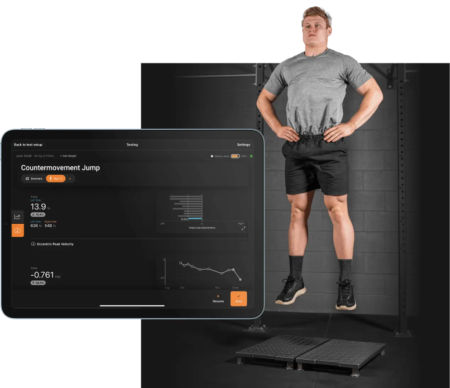
ForceDecks are dual force plates that allow us to analyze how athletes interact with the ground when they jump, land, and accelerate.

This technology gives our sports physical therapy teams in Bethesda and McLean insight into:
Force production
Landing mechanics
Imbalances
Stress patterns across joints

For runners, team sport athletes, and parents of youth athletes, this is incredibly valuable. It allows us to identify risky movement patterns before pain even starts.

If something feels off when you jump, sprint, or cut, we can convert that feeling into data and use it to guide treatment.

Dynamos: Tracking Strength and Mobility

Dynamos allow us to measure strength and range of motion across joints with precision.

In our sports physical therapy clinics in Bethesda and McLean, these tools help us verify that treatment is working rather than simply hoping it is.

We use dynamos to track:
Joint motion improvements
Muscle strength gains
Rehab progress accuracy

It gives patients proof of progress and clinicians better direction on how to load and advance exercise safely.

Why Our Approach to Sports Physical Therapy Works

We use technology to enhance our clinical decision making, not replace it.

By combining hands on treatment with objective testing, we create treatment plans that adapt in real time rather than following rigid timelines.

This allows us to:
Progress athletes sooner when appropriate
Slow down when necessary
Reduce repeat injuries
Improve confidence in return to play decisions

For active individuals in Bethesda and McLean looking for sports physical therapy that focuses on results, this approach delivers a higher level of care.

See the Technology in Action

We created a video walkthrough showing how each of these tools works inside our Bethesda and McLean clinics.

You’ll see how testing is performed, how we analyze results, and how it translates into better rehab outcomes and safer return to sport.

If you’re dealing with pain, stiffness, or a lingering injury, this behind the scenes look will help you understand how modern sports physical therapy is different from traditional rehab.

And if you’re ready to experience it firsthand, our team at Cohen Health & Performance would love to help.

×