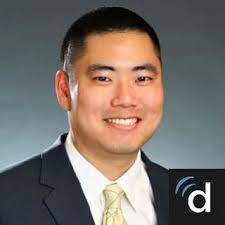
CHP Spotlight Interview with Dr. Michael Antonis

Dr. Michael Antonis, a sports medicine specialist at OrthoVirginia, currently serves as the team physician for the Washington Commanders. With a previous tenure as the team physician for D.C. United and Loudoun United spanning five years, his expertise has significantly benefited our physical therapy team.

Recently, I had the pleasure of sitting down with Dr. Antonis for an engaging discussion. He shared a wealth of incredible information that I’m excited to pass on to you. Be sure to watch the full interview below and find a summary of key points right after the video!


Physical therapy plays a crucial role in addressing and preventing injuries among athletes. The injuries of professional athletes differ significantly from those of youth athletes and weekend warriors due to varying levels of physical demands, conditioning, and experience.

Differences in Injuries: Professional Athletes vs. Youth Athletes and Weekend Warriors

Professional athletes often experience injuries due to the intense physical demands of their sports. These injuries can include torn ligaments, muscle strains, and stress fractures, often resulting from overuse or high-impact activities. Due to their rigorous training schedules, professional athletes also face chronic injuries that require ongoing physical therapy for effective management and recovery.

In contrast, youth athletes are more prone to growth plate injuries, sprains, and strains as their bodies are still developing. The lack of proper conditioning and technique can contribute to these injuries. Weekend warriors, who engage in sports activities sporadically, often suffer from acute injuries like ankle sprains, knee injuries, and lower back pain. These injuries are typically a result of sudden, intense physical exertion without adequate warm-up or conditioning.

Reducing Injury Risks for Young Athletes

Parents play a vital role in minimizing injury risks for their young athletes. Ensuring that children participate in a variety of sports can help develop overall athleticism and prevent overuse injuries. Emphasizing proper technique and form through coaching and training is essential. Encouraging adequate rest and recovery time is equally important to avoid burnout and overuse injuries.

Advancements in Sports Technology

Recent advancements in sports technology have significantly contributed to reducing injury risks and facilitating a more effective return to sport. Wearable technology, such as smartwatches and fitness trackers, monitors an athlete’s physical activity, providing valuable data on performance and fatigue levels. This information can help tailor training programs to individual needs, reducing the risk of overtraining and subsequent injuries.

Innovations in sports equipment, such as improved footwear and protective gear, offer enhanced support and safety, reducing the likelihood of injuries. Additionally, advancements in diagnostic tools, like MRI and ultrasound, enable early detection and precise diagnosis of injuries, allowing for targeted and effective physical therapy interventions.

Regenerative medicine, including platelet-rich plasma (PRP) therapy and stem cell treatments, has shown promise in accelerating the healing process and reducing recovery time. These therapies, combined with personalized physical therapy programs, can significantly enhance an athlete’s return to sport.
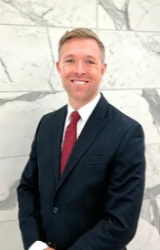
CHP Spotlight Interview with Sports Medicine Physician, Dr. Richard Edgar

Why do so many field sport athletes and runners suffer lower body soft tissue injuries, like hamstring strains? 

As with all sports, injuries are part of the game and it is impossible to avoid them altogether. But being aware of risk factors can reduce the risk and is an essential component of the physical therapy process. There has been research studying the influence of strength imbalances of opposing muscles. One of the most common comparisons is with the hamstrings and quadriceps, called the hamstring to quadriceps strength ratio.

Research in physical therapy and sports medicine journals suggest that the hamstrings should be at least 60% as strong as the quads, especially among athletes.

Don’t miss my latest interview with Dr. Richard Edgar where we discussed topics like this and so much more! Dr. Edgar is a Primary Care Sports Medicine physician at the Anderson Orthopaedic Clinic. He specializes in non-operative treatment of musculoskeletal injuries and has an extensive sports background himself. 

The mission of the CHP Spotlight Interview Series is to share information with you from the greatest experts in the fields of sports medicine, sports physical therapy, personal training, and performance. Now, more than ever, there is a seemingly infinite amount of information available and finding the most credible information is a challenge. The good news is that we are here to help you find the best information related to physical therapy, personal training, and sports medicine from experts surrounding us in Bethesda, Chevy Chase, DC, McLean and Northern Virginia.

If you or someone you love has had a sports related injury, don’t miss this interview!

To learn more about Dr. Edgar, click here and check out our interview below!

Dry Needling Is Now in McLean

What’s up with this weird needling stuff that sports physical therapists are doing nowadays?

More and more people have been asking me about it as they have seen or heard about it being performed in performance physical therapy settings in McLean and Bethesda.

One person told me that their neighbor calls it “magic” and has cured all his aches and pains. Another person said they hear it only hurts without providing any relief.

So what is it?

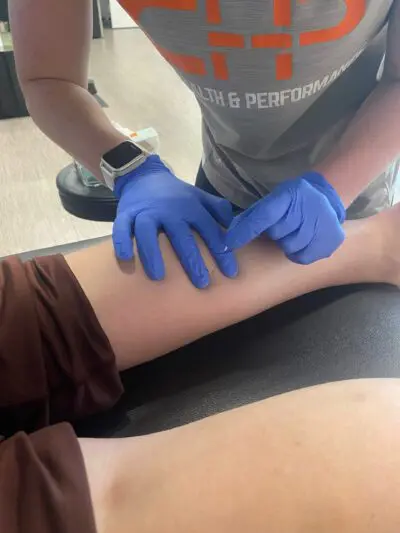
First, let’s define what dry needling is. Dry needling is a technique performed by healthcare providers like physical therapists. They insert small needles, similar to acupuncture needles, into muscles, tendons, and other soft tissues. The needle creates a small lesion (mini-injury) to the tissue, triggering the body to start a healing process.

Dry needling is a tool and like all tools in physical therapy, it has a time and place. It is not appropriate for everyone but may be helpful when used by a knowledgeable (and hopefully, not too biased) physical therapist.

If there is a great deal of inflammation currently present in one area of the body, dry needling likely is not appropriate. But if you’ve had pain for several months or years, it could help.

At the end of the day, dry needling is just one part of the overall treatment plan and will not fix an injury by itself.

At CHP, we now are offering Dry Needling as part of our physical therapy treatment plans in our McLean facility. We use this tool to reduce pain and the symptoms associated with an injury while working on the root causes.

Are you interested in learning more about dry needling and how it may help you overcome chronic pain? Contact us today to learn more and schedule an appointment!

Don’t Try To Be Patrick Mahomes

I lost count of how many times the announcers on Sunday night’s football game discussed the injury that Chiefs quarterback (and best player in the world) Patrick Mahomes played with.

He suffered a high ankle sprain just 8 days earlier and as a sports physical therapist here in McLean and Bethesda, I was blown away by how well he was able to play.

A high ankle sprain occurs when the ligaments that connect the tibia and fibula (the two bones in the lower leg) are stretched or torn. It is a more severe injury than a standard, or low ankle sprain, and takes longer to heal. Symptoms include pain, swelling, and difficulty bearing weight on the injured leg.

High ankle sprains typically take 6-8 weeks to heal and even longer to return to sport. It also involves a great deal of physical therapy and rehabilitation. At our McLean and Bethesda clinics, we typically work with athletes for 2-3 months after suffering a high ankle sprain.

I am not saying that Mahomes shouldn’t have played. As with all medical decisions, it is a risk vs. reward calculation.

By playing hurt, Mahomes risked re-injuring the ankle, causing further damage and increased the chances of developing chronic ankle issues. However, the reward is that he was able to lead his team to the Superbowl.

Mahomes determined that the reward outweighed the risk.

But we aren’t Patrick Mahomes and don’t have access to the same medical treatment (physical therapists, athletic trainers, doctors, etc.). The risk of “playing hurt” does not have the same reward (I didn’t even mention the 10-year contract he signed in 2020).

If you had an injury and are tired of sitting on the sidelines, first consult with a medical professional. As physical therapists we will help you understand your injury/pain and provide guidance on how to safely return to exercise or sport.

Once you have a better understanding of your injury, it is time to focus on your return.

The most challenging thing is learning where to start. What workout should I begin with? How much practice can I participate in?

Start small and build from there. Be conservative and make your first workout or practice easy. You can always build from there.

Every training session or practice should increase in volume and intensity in a progressive, step by step fashion. This pushes your body to adapt to more stress over time without pushing things too far, resulting in injury.

Don’t try to be Patrick Mahomes by modeling what you see on TV.

I spent the early stages of my career working with professional athletes.

Professional athletes are different. They recover faster, heal faster, and use pain killers that I do not recommend using to stay on the field.

We only see what is shown to us on TV. Ever seen a football player in their 50s?!

CHP Spotlight Interview with Orthopedic Surgeon, Dr. Ronald Paik

I recently had the pleasure of interviewing Dr. Ronald Paik from the Nirschl Orthopaedic Center on the latest edition of the CHP Spotlight Interview Series. The mission of the CHP Spotlight Interview Series is to share information with you from the greatest experts in the fields of sports medicine, sports physical therapy, personal training, and performance. Now, more than ever, there is a seemingly infinite amount of information available and finding the most credible information is a challenge. The good news is that we are here to help you find the best information related to physical therapy, personal training, and sports medicine from experts surrounding us in Bethesda, Chevy Chase, DC, McLean and Northern Virginia.

If you or someone you love has had a shoulder, elbow or knee injury, don’t miss this interview! Dr. Paik explains what you can do if you have experienced a shoulder, elbow or knee injury and what risk factors you can address right now to reduce your risk of injury. He goes on to share when surgery may be appropriate and when conservative options like physical therapy are a better choice. If you are a baseball player, field sport athlete, or weekend warrior, this is for you.

Dr. Paik is an orthopedic surgeon and sports medicine physician specializing in treating complex disorders of the shoulder, elbow, and knee. His goal is to pursue non-operative treatments, like physical therapy when possible, but he is experienced in advanced arthroscopic procedures, surgical repair and reconstruction, and total joint replacements.

To learn more about Dr. Paik, click here and check out our interview below!

What a Foot and Ankle Surgeon Recommends For Youth Athletes

I recently had the pleasure of interviewing Dr. Thomas Sanders for the latest edition of the CHP Spotlight Interview Series. The mission of the CHP Spotlight Interview Series is to share information with you from the greatest experts in the fields of sports medicine, physical therapy, fitness and performance. Now, more than ever, there is a seemingly infinite amount of information available and finding the most credible information is a challenge. The good news is that we are here to help you find the best information related to physical therapy, training, and sports medicine from experts surrounding us in Bethesda, DC, McLean and Northern Virginia.

If you or your child has suffered a foot/ankle ankle, don’t miss this interview! Dr. Sanders explains what you should do if you have experienced a foot/ankle injury and what risk factors your child can address right now to lower their risk of injury. He goes on to share when surgery may be appropriate and when conservative options like physical therapy are a better choice. He even shares his experiences as an athlete, playing rugby, and how that lead him to specialize in helping injured athletes!

Dr. Thomas Sanders, MD, is an orthopedic foot and ankle specialist at the Centers for Advanced Orthopedics in Northern Virginia and Chief of Foot and Ankle surgery for the INOVA Health system. Dr. Sanders specializes in the treatment of ankle arthritis, lower extremity trauma, and fractures of the ankle and foot. He also helps patients in the Washington, DC, area with post-traumatic reconstruction, midfoot and forefoot arthritis, flatfoot reconstruction, and bunions/hammertoes.

To learn more about Dr. Sanders, click here and check out our interview below!


×