Why Are You Bench Pressing?

How often do you stop and think about how you want to perform an exercise and if that is conducive to your goals?  Our physical therapy patients here in Bethesda often have the goal of learning to train without pain or discomfort. Training clients, most concerned with sports performance may have goals that include becoming stronger, faster, or building muscle mass.

There is not always a “correct” way to perform every exercise.⁣ Let’s take the bench press as an example.

Depending on your goals and capabilities, you may want to play around with the angle of your arms when bench pressing.⁣

Is your goal to build big pecs? Perform the lift with the arms closer to 90 degrees and do not allow the arms to drift past the body as you can see in the video here.

Do you want to lift more weight while keeping your shoulders and lower back healthy? If so, perform this lift with the arms closer to 45 degrees to take the stress off the front of the shoulders. Check out this bench press variation here.⁣

This is just one of many exercises that can be altered to change the focus.

The key is being clear on the outcome that you have in mind!⁣

Image Source

Bench Press” by A. Blight is licensed under CC BY 2.0.

What All Rotational Athletes Must Be Capable Of (Part 2)

The best ability is availability.

Rotational athletes come to physical therapy for help for with a variety of different overuse injuries (for more information, check out part 1 here). These injuries are the result of an excessive amount of stress placed onto one area which exceeds the body’s ability to tolerate.

Excessive stress accumulates in a particular area (often the lower back) as it is forced to pick up the slack from another area of the body that is not doing its part. Injury rehabilitation often involves discovering what these areas are.

Many times, it is the hips.

The hips are large joints with powerful muscles (ex. The glutes) surrounding them. This area should be generating the power to make things easier elsewhere.

The med ball hip toss teaches the body to generate rotational power at the hips and ultimately propel the ball through the arms. Once you have mastered this drill, step things up and give the perpendicular med ball throw a shot!

Do you feel your body is getting beat up during golf, tennis, or baseball? Come discover the root cause of your discomfort and specific strategies to address it. Visit our website to schedule a FREE phone consultation with a member of our team! Link in bio.

What All Rotational Athletes Must Be Capable Of

Low back pain with golf or arm pain with throwing. At our performance physical therapy practice, we see this constantly. 

Swinging a golf club, throwing a baseball and hitting a tennis ball involve a great deal of rotation. Many areas of the body should be involved in these movements, however that is not always the case.

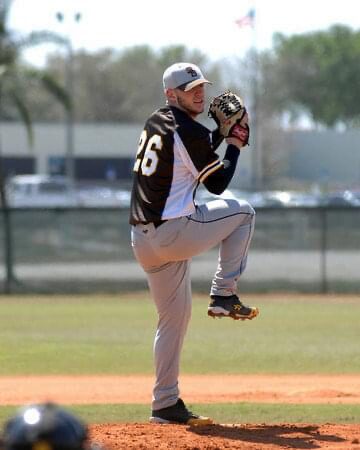
It is common to see baseball pitchers that are experiencing arm issues demonstrate the habit of trying to “arm” the ball as they throw it. There is not much contribution from the legs which places a great deal of stress on the arm and over time results in overuse injuries. 

Many golfers and tennis players experience lower back pain because they do not effectively link the power that they generate in the lower body through the trunk, into the upper body and ultimately to the head of the club. As a result they compensate elsewhere, placing increased stress onto the lower back.

The rotational row is a great drill to train the body to generate rotational power through the legs and connect it through the trunk. View this exercise here.

Once you have mastered the rotational row and learned how to link the power generated in the lower body to the trunk, we can now add in the upper body! The rotational lift trains the body to generate rotational power through the legs and connect it through the trunk and arms. Check this exercise out here.

Interested in learning more ways you can address lower back pain while enjoying your active lifestyle? Sign up for a FREE phone consultation today!

A different form of shoulder strength

Building Shoulder Strength in End Ranges: How Physical Therapy Can Prevent Injury

Many shoulder injuries that bring athletes to physical therapy are the result of overuse or instability when the shoulder reaches its end range of motion. Whether you’re lifting weights, throwing a ball, or performing overhead movements, your shoulder is vulnerable when pushed to its limits.

It’s common to assume that the solution to these issues lies in increasing flexibility through stretching and mobility drills. While flexibility is important, it’s only part of the equation. The real issue often lies in a lack of strength and stability when the shoulder is in these extreme positions.

Why Strength at End Range Matters

When the shoulder reaches its end range of motion—whether during an overhead press, a throw, or any extreme movement—your muscles can’t generate the same amount of force as they can when the shoulder is in a more neutral position. This weakness leaves the shoulder joint less stable and more prone to injury.

Without the ability to control the joint at these extreme ranges, you’re at an increased risk of instability-related injuries such as shoulder dislocations or subluxations. Over time, these challenges can lead to wear and tear on the shoulder joint, causing issues like rotator cuff tears, labral injuries, or impingement syndromes.

However, there’s good news! By incorporating targeted physical therapy exercises, you can train your shoulder to be strong even in these vulnerable positions. Strengthening the muscles that support the shoulder at end range can significantly reduce your risk of injury and improve your overall performance in sports and daily activities.

Strengthening the Shoulder in End Ranges with Physical Therapy

At its core, physical therapy is about improving movement quality and building strength where it’s needed most. For athletes and active individuals, this often means focusing on increasing shoulder stability in the ranges of motion where injuries are most likely to occur.

Here’s where physical therapy really shines—helping you develop strength at the edges of your mobility. Instead of simply increasing flexibility, we work to build strength and control in these end ranges. This approach not only enhances performance but also prevents injuries by ensuring that your muscles can stabilize the shoulder joint in even the most extreme positions.

PAILs and RAILs in Shoulder Rehab

One of the best ways to strengthen the shoulder at end range is through Progressive Angular Isometric Loading (PAILs) and Regressive Angular Isometric Loading (RAILs) exercises. These exercises involve applying tension to the muscles in both their stretched and shortened positions, helping to increase both flexibility and strength in end ranges.

For example, Shoulder Flexion PAILs with a Lift Off Challenge and Shoulder External Rotation PAILs with a Lift Off Challenge are highly effective exercises for targeting the muscles that stabilize the shoulder when it’s in its most extended and rotated positions. These exercises focus on developing strength while the joint is near its limit of movement, allowing for greater control and reducing the likelihood of injury.

I recently demonstrated these drills to a group of CrossFit athletes, who need exceptional shoulder strength and stability to lift heavy weights overhead and perform complex movements. However, you don’t need to be a CrossFit athlete to benefit from these exercises. Whether you’re involved in overhead sports like swimming, tennis, or volleyball, or simply want to improve your shoulder health, these exercises are fantastic for anyone looking to build strength and prevent injuries.

Exercises to Try:

1. Shoulder Flexion PAILs with a Lift Off Challenge


2. Shoulder External Rotation PAILs with a Lift Off Challenge


Why Physical Therapy is Key for Shoulder Health

Incorporating these types of exercises into your routine can dramatically improve your shoulder strength and stability, particularly in those vulnerable end ranges of motion. Working with a physical therapist ensures that you’re doing the exercises correctly and progressively, so you can safely build strength without putting your joint at risk.

A physical therapist will assess your specific needs, tailoring exercises to your unique shoulder mechanics and helping you regain control over your movements. With proper guidance, you can significantly reduce your risk of injury and improve your overall performance in your sport or daily life.

Ready to Strengthen Your Shoulders and Prevent Injury?

If you’re experiencing shoulder pain or instability, or if you want to improve your strength in end ranges of motion, physical therapy can help. Contact us today to learn how a tailored treatment plan can get your shoulders strong, stable, and ready for anything life or sport throws your way!

How Focusing on Mental Health Improves Physical Therapy Outcomes

Can focusing on mental health improve outcomes in physical therapy?

Yup!!

This concept is challenging to grasp because the medical system often tries to attribute physical pain to a direct cause. However, it isn’t that simple and this is important for every physical therapist to understand.

Humans are complex and physical pain is influenced by several different factors. One of which is the brain.

An individual’s mental state has a large impact on their physical state and the effectiveness of physical therapy interventions.

Do not miss the latest episode of the CHP Spotlight Interview series with Dr. Kelly Forys Donahue and Dr. Danielle Miro from DC Health Psychology (www.dchealthpsychology.com and www.modernpsychologists.com) to learn this and so much more!

Check out the full interview here.

Photo Credit

“World Mental Health Day Observance” by United Nations Photo is marked with CC BY-NC-ND 2.0.

We Are Expanding!!

We are expanding!

CHP-McLean is opening this summer in McLean, Virginia! We are so excited for the opportunity to further spread our mission of helping injured athletes and active adults to overcome the injuries that limit their active lifestyles.

Our 2700 square foot, state of the art space will be used to deliver the high-level sports physical therapy and performance training that you have come to expect from us in Bethesda.

However, that is not all! We will also be offering small group training to high school athletes. If you are a high school athlete or the parent of one, this is a can’t miss opportunity to get stronger, faster, and take your performance to the next level.

CHP-McLean is being built out now and is expected to open in late July 2022. Follow the @cohenhealthandperformance instagram page for continued updates on our buildout and grand opening!

We hope to see you there!

×