Is Shoulder Clicking Bad?

“My shoulder clicks when I press or reach overhead. Is that a problem?”  “Is it bad to feel things moving and popping in my shoulder whenever I perform this movement?”

Questions like these are common in the sports physical therapy and injury rehabilitation setting. The answer is always context dependent because clicking can occur for several different reasons.

The shoulder is a complex joint with the most range of motion in the body.  It is comprised of bone, ligaments, cartilage, and tendons that allow for greater ease of movement in many different directions, however, it runs the risk of becoming unstable when movement quality is poor.

This can result in movement limitations or clicking/popping within the shoulder.

Check out an article that a member of our physical therapy team wrote back in 2018 if you are interested in learning more about the different sources of shoulder clicking/popping.

Regardless of the specific source of the clicking/popping, it is most important to improve the root causes of these issues: movement quality and mobility.

If you are interested in improving the movement quality and mobility of your shoulders, come join me for our virtual and pre-recorded mini-shoulder mobility workshop. We are offering this course for FREE to you, our CHP fam! Simply enter promo code CHPFAM at checkout.

In this workshop, you will learn:

  1. The source of your shoulder mobility limitations and/or discomfort
  2. How to assess the movement quality of your shoulders
  3. Exercises that you can start doing RIGHT NOW to improve your shoulder function, reduce discomfort, and decrease the risk for future injury

This workshop is a MUST attend for athletes, weekend warriors, and everyone in between that want to:

  1. Train without being held back from pain
  2. Decrease future injury risk
  3. Perform at their highest level for years to come!

Sign up today HERE and don’t forget to enter promo code CHPFAM at checkout to get this class for FREE!

How to “Fix” Rounded Shoulders

As physical therapists, we often answer questions pertaining to “poor posture.” One of the most common reports from our patients in Bethesda and Chevy Chase is having “forward shoulders.”

The solution to this, which is often taught by other physical therapists, is to stretch the muscles in the front of the shoulders. The most common of these muscle groups is the pecs.

The logic goes something like this. “Your pecs are tight and pulling your shoulders forward. If you stretch them, your shoulders can move back and correct your posture.”

While this reasoning isn’t necessarily wrong, it is shortsighted. It fails to question why muscles like the pecs became tight in the first place. Simply stretching these muscles won’t correct the root cause of the issue.

The shoulder complex rests on top of the rib cage and the pecs attach to the sternum (ribs 1-7 attach to the sternum) as well as the ribs on the front of the rib cage.

As we breath in the rib cage should expand in 360 degrees and as we breath out it should do the opposite.

People with forward shoulders and stiff pecs often have difficulty expanding the front part of their rib cage during a relaxed breath in. This prevents the pecs from lengthening fully and often causes them to remain stiff, pulling the shoulders forward.

If you are looking to improve your posture and “pull your shoulders back”, the solution must include breathing exercises that emphasis relaxation and expansion of the chest/front part of the rib cage.

Here is an example from our YouTube page that illustrates this concept.

If you are looking to improve your posture or shoulder function, contact us now!

Photo Credit

“Orlando’s Poor Posture” by hewy is licensed under CC BY-NC-ND 2.0

Does Your Metabolism Actually Slow As You Age?

As we age it is common to feel that it is increasingly difficult to prevent injury or reach our fitness goals. We have spoken to many people in Bethesda that feel the help of a physical therapist is inevitable. Many challenges that are experienced are often attributed to a slowing metabolism.

However, this may not be the case.

There has been evidence that suggests that our metabolism doesn’t slow much, if at all, during adulthood. However, even if we later discover that some of these findings are misleading, a slowing metabolism is not the only reason that it takes longer to recover from injuries or fail to reach our fitness goals as we age.

Many of the challenges associated with aging stem from lifestyle changes.

In modern times humans have become more sedentary as we age. We no longer participate in organized sports, play outdoor games with our friends, and migrate to sedentary desk jobs for much of the day. This results in a large decrease in our daily energy expenditure and increases our risk of injury. Prolonged sedentary activity causes our body to become de-conditioned and less prepared for the rigors of life. As an example, this is why we suggest partaking in a running analysis prior to training for a race.

Another factor we may not realize is that as we get older, we take on a lot more responsibility.

Think back to your teenage years or time in your 20s. Did you have a lot of worries back then? A career? Family commitments? A mortgage? As these “adult things” add up, so do our commitments, resulting in less free time. Less time for exercise, less time for self-care, and less time for sleep.

Countless studies have shown us that as sleep decreases our health is negatively impacted in several ways, including an increased risk of orthopedic injury.

While it may be easy to see all of this as a negative, the good news is that many of the seemingly negative effects of aging are not as inevitable as we may have thought! Furthermore, feeling better and healthier doesn’t require you to be perfect.

As performance physical therapists, we help our patients identify the smallest possible improvement that will make the largest possible impact to overcome an injury.


Image Information

“Tiantan Park-life: The Elderly Exercising in China’s Parks – Parallel Bars” by _chrisUK is licensed under CC BY-NC-ND 2.0


An Alternative to X-Rays and MRIs

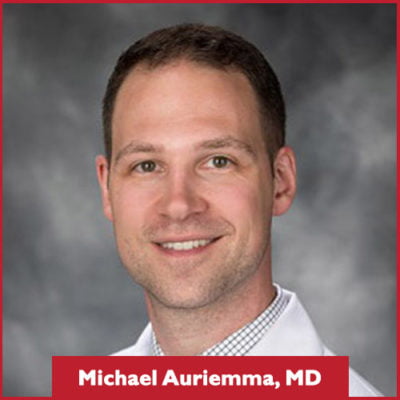
This week’s article is written by Dr. Michael Auriemma, a member of Regenerative Orthopedics and Sports Medicine. He is a key member of our physical therapy team here in Bethesda and Chevy Chase and has helped many athletes, active adults, and runners overcome injury in conjunction with a comprehensive physical therapy plan. Dr. Auriemma specializes in sports and musculoskeletal medicine, and has received extensive training in the use of sports ultrasound for both diagnostic and interventional procedures.

He is the perfect person to tell us about an alternative solution to X-rays and MRIs that also happens to be a lot easier, quicker, and more pleasant to use!

Enjoy!


Regenerative Orthopedics and Sports Medicine (ROSM) is a growing private practice centered in the DMV.  It is comprised of physicians who specialize in non-operative orthopedic and sports medicine. 

ROSM physicians strive to provide a higher quality of care through extended patient visits (ie. more 1 on 1 time with patients) and the use of diagnostic musculoskeletal ultrasound, a bedside tool that allows for real-time imaging of muscle injuries, tendon and ligament injuries, fascia injuries, arthritis, and nerve entrapments. 

In certain situations, ultrasound can eliminate the need for X-rays or MRIs, while other times it serves as a complimentary imaging modality. 

In addition to advanced diagnostics, ultrasound can also be utilized to guide targeted treatments to enhance recovery.  These include prolotherapy, platelet rich plasma (PRP), bone marrow aspirate concentrate (BMAC), and microfragmented adipose transfers (MFAT). 

ROSM physicians help patients choose appropriate treatments through a combination of evidence-based research and individual patient needs.

Visit our website to learn more!

-Dr. Michael Auriemma, MD

CHP Spotlight Interview: Dr. Scott Faucett

Do not miss this interview with internationally renowned orthopedic surgeon, Dr. Scott Faucett! Dr. Cohen and Dr. Faucett discussed a myriad of different topics that pertain to the worlds of physical therapy, athletics, performance, and surgical medicine. This interview is a MUST SEE if you are experiencing any hip or knee pain, or simply wish to learn more so that you can increase the longevity of these joints!

Reach out to Dr. Faucett via the information below

scottfaucettmd.com

(202) 912-8480

clinical@scottfaucettmd.com

Special guest post on regenerative medical treatment

The fields of athletic performance physical therapy and regenerative medicine frequently intersect. Today, we’re featuring a special guest post by Dr. Mayo Friedlis, a renowned physician at Stem Cell Arts in Chevy Chase and a certified Regenexx provider. With over 20 years of experience in regenerative therapies, Dr. Friedlis has been practicing since 1983 and brings a wealth of knowledge to the table.

At CHP, we often receive questions about regenerative medicine—a relatively new and exciting field. You might be wondering: What exactly is regenerative medicine? Does it really work? Could it benefit me?

Dr. Friedlis graciously took the time to address these questions and more. Check out the valuable insights he shared below!

What is Regenerative Medicine?

Regenerative therapies harness the body’s natural ability to heal itself by using growth factors, stem cells, or platelets from the patient’s own body. These treatments stimulate healing and tissue regeneration, offering a non-surgical solution for many injuries. But when should you consider regenerative medicine?

Many injuries naturally heal over time with proper exercise and rehabilitation. However, when pain persists despite these efforts, regenerative therapies might be the next best step.

It’s important to think of regenerative medicine differently from surgical interventions. Surgery is often considered a last resort, something we turn to only when all other options have failed and our quality of life is significantly affected.

Regenerative therapies, on the other hand, are most effective when used earlier in the recovery process. By stimulating the body’s healing mechanisms, these treatments can prevent further damage and degeneration of tissues. If first-line treatments aren’t enough and you’re still unable to return to the activities you love, it might be time to consider regenerative therapies.

The Importance of Early Intervention

The earlier you explore regenerative therapies, the better your chances of fully recovering from an injury. For athletes, managing pain alone isn’t enough; it’s critical to address the root cause of the injury. Regenerative therapies, much like sports physical therapy, focus on healing the source of the pain rather than just masking symptoms. This is where these therapies truly shine.

What Type of Regenerative Therapy is Right for You?

A common question is which type of regenerative therapy to choose. The answer depends on the specific injury and the structure involved.

Prolotherapy and PRP (Platelet-Rich Plasma) are particularly effective for ligament and tendon injuries, such as rotator cuff tears, hip labrum issues, meniscal tears, or other ligamentous injuries.

– Stem cell treatments are more suited for conditions like joint degeneration or osteoarthritis, where more advanced tissue regeneration is needed.

The severity of the injury also plays a role. For example, smaller tears in ligaments, tendons, or the meniscus often respond well to PRP or prolotherapy. However, more significant tears may require the use of stem cells. Similarly, mild arthritis can be treated with PRP or prolotherapy, while severe arthritis typically benefits from stem cell therapy.

– Dr. Mayo Friedlis, MD

×