How Professional Athletes Are Addressing Their Mental Health

“File:20140101 Kevin Love (cropped).JPG” by TonyTheTiger is licensed under CC BY-SA 3.0

Health is a word that has a variety of meanings. Although physical health often comes to mind, mental health is equally important. Quality performance training and injury rehabilitation includes activities that improve both your physical and mental health to improve performance in sport.

What is Mental Health?

According to The Center for Disease Control, “Mental health includes our emotional, psychological, and social well-being. It affects how we think, feel, and act. It also helps determine how we handle stress, relate to others, and make choices.”

Mental health is important at every stage of life, from childhood through adulthood. Positive mental health allows people to better cope with stress, work productively, realize their full potential, and make more meaningful human connections.

Mental illness, such as depression, increases the risk for many physical health problems, particularly long-lasting conditions like diabetes, stroke, and heart disease. Furthermore, the presence of chronic conditions can increase the risk for mental illness.

Put simply — mental health is an aspect of overall health and well-being that cannot be overlooked.

The Impact of Mental Health On Performance

Mental health not only improves your quality of life, but it also improves performance — both in sport and in the workplace.

According to the CDC, poor mental health can negatively affect job performance, productivity, communication, physical capability, and job function. For example, someone could be in elite physical shape, but if their mental health is lagging, their performance will ultimately suffer.

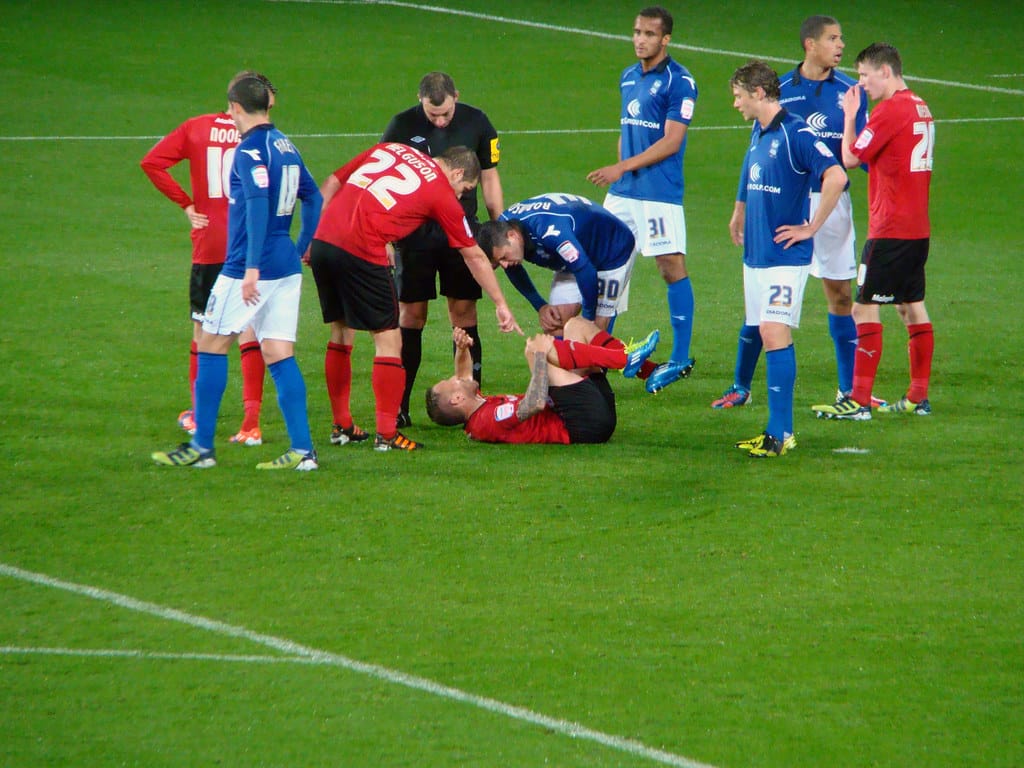
Psychologists and mental health experts aren’t the only ones preaching the importance of mental health. Kevin Love, a professional basketball player for the Cleveland Cavaliers, has been very public with the mental health issues he’s dealt with throughout his career.

To help people strengthen their mental health, Love founded Koa, an online learning experience with therapist-led emotional fitness classes and 1:1 therapy. This growing community is helping people taking on real-life challenges and better prepare for the stresses of life.

“Mental health is an invisible thing, but it touches all of us at some point or another. It’s a part of life,” said Kevin Love of his struggle with mental health. Mental and physical health are equally important components of overall well-being. Love understands that to perform at the highest level, both his physical and mental health must be properly trained.


Surprising Benefits of Walking for Mental and Physical Health

“Morning Walk” by /\ltus is licensed under CC BY-NC-ND 2.0

One important but often overlooked aspect of a healthy lifestyle and even injury rehabilitation is walking. Walking is a simple way to improve physical fitness and health while reducing the risk of various diseases.

The Benefits of Walking

Physical activity doesn’t need to be complicated. Although walking is often overlooked, science shows that putting one foot in front of the other can have some impressive mental and physical benefits.

  • It helps to maintain a healthy weight and trim body fat.
  • Increases energy levels and improves mood, memory, and sleep.
  • Reduces stress and tension in the body.
  • It eases joint pain and boosts immune system function.
  • Improves cardiovascular health and muscle endurance.
  • Reduced risk of common health problems such as heart disease, obesity, diabetes, and high blood pressure.

You may be asking yourself, “That sounds great, but how much should I be walking to reap all these benefits?”

How Many Steps Should You Get Per Day?

Walking is one of the best low-impact forms of exercise that can be done on a lunch break, while talking on the phone, or to get to your favorite coffee shop down the street.

Although the exact number of steps per day can vary based on age, health, and fitness goals, most experts recommend at least 10,000 steps per day. As a general rule of thumb, the faster, farther, and more frequently you walk, the greater the benefit you’ll experience.

By completing 10,000 steps per day, most adults can burn an extra 2,000–3,500 calories while also reaping the incredible benefits of additional cardiovascular exercise.

Not only is walking a great time to disconnect and unwind, but it will also improve your mental and physical health. 10,000 steps per day is a great goal for anyone looking to jumpstart a healthy lifestyle. However, if you want a more personalized approach, a physical therapist from our clinic in Bethesda can help!

What Is Blood Flow Restriction Training? Can It Help You Overcome Your Injuries?

“Running by Coolidge Corner” by jpo.ct is licensed under CC BY-NC-ND 2.0

Since the beginning of performance training, athletes have searched for the most effective training methods out there. Although there are countless strategies available, blood flow restriction training, or BFR for short, has been used for more than 20 years in physical therapy and performance training.

What Is Blood Flow Restriction Training?

Blood flow restriction is a training technique that involves performing exercises with a reduced amount of blood flow to the arm or leg. Using a cuff or strap placed tightly around the limb, blood flow is reduced to that specific area. BFR training combines low-intensity exercise with blood flow restriction to produce similar results to high-intensity training.

In recent years, blood flow restriction training has become popular for both athletes and patients recovering from injuries. Mike Reinhold, a leading physical therapist, describes the various benefits as:

  • Provides a great workout with smaller weights and fewer reps or time
  • Can help with rehab from injuries
  • Improve strength for clients with physical limitations
  • Pain reduction after ACL surgery or knee osteoarthritis
  • Relieve pain and treat functional scores for older patients

Is BFR Training Right For You?

Much like anything, it’s important to educate yourself before trying any new training method. For example, blood flow restriction training is commonly used in performance training and physical therapy because it allows patients to develop strength and stability without requiring a lot of weight. 

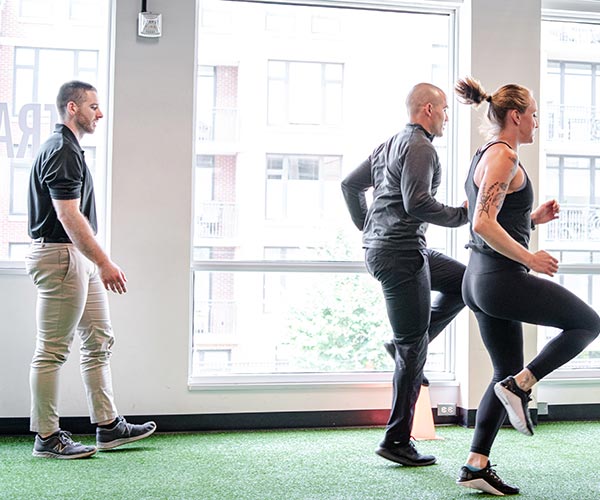
Although it is within the scope of practice for physical therapists and athletic trainers, our PTs at CHP are certified specifically in blood flow restriction training. If you’re returning from a recent injury or want to learn more, contact us to set up an initial consultation

Why the Frequency of ACL Injuries are on the Rise

“Bellamy Knee Injury” by joncandy is licensed with CC BY-SA 2.0.

Over the past month, our physical therapy clinic in Bethesda has seen an increase in the number of people recovering from ACL injuries and repairs. Although this is a sign that sports are returning to normal, there are some important things to keep in mind when dealing with an ACL injury.

The ACL, also known as the Anterior Cruciate Ligament, is the tissue found in the knee joint that connects the thighbone (femur) to the shinbone (tibia). These ligaments run diagonally in the middle of the knee, controlling the back and forth motion and provide rotational stability.

ACL injuries commonly occur in sports involving sudden movements or changes of direction, such as soccer, football, or basketball. The anterior cruciate ligament can be injured in several ways, including:

  • Rapid changes in direction
  • Sudden stopping movements
  • Slowing down while running
  • Incorrect landing from jumping
  • Direct collision or contact, such as a tackle in football.

Depending on the severity of the ACL injury, treatment can include rest and rehabilitation exercises to regain stability and strength. In severe cases, surgery may be required to replace the torn ligament.

According to Mike Reinold, a leading physical therapist, there are a few important steps to take after surgery:

  • Diminish pain and swelling after surgery using compression wraps, ice, and compression machines.
  • Restore full knee extension through a variety of range of motion and stretching exercises.
  • Gradually improve knee flexion with further stretching and functional movements such as mini-squats and lunges.
  • Maintain patellar mobility with soft tissue mobilization around the knee.
  • Restore volitional quad control using neuromuscular electrical stimulation (NMES) on the quad following the ACL surgery.
  • Restore independent ambulation by improving the ability to walk without limitations or a limp.

Although ACL injuries are impossible to avoid, a proper training program can help to reduce the risk of an ACL injury. If an injury does occur, our performance training and physical therapy clinic in Bethesda will get you back to normal in no time!

What Should You Be Drinking Before, During, and After a Run?

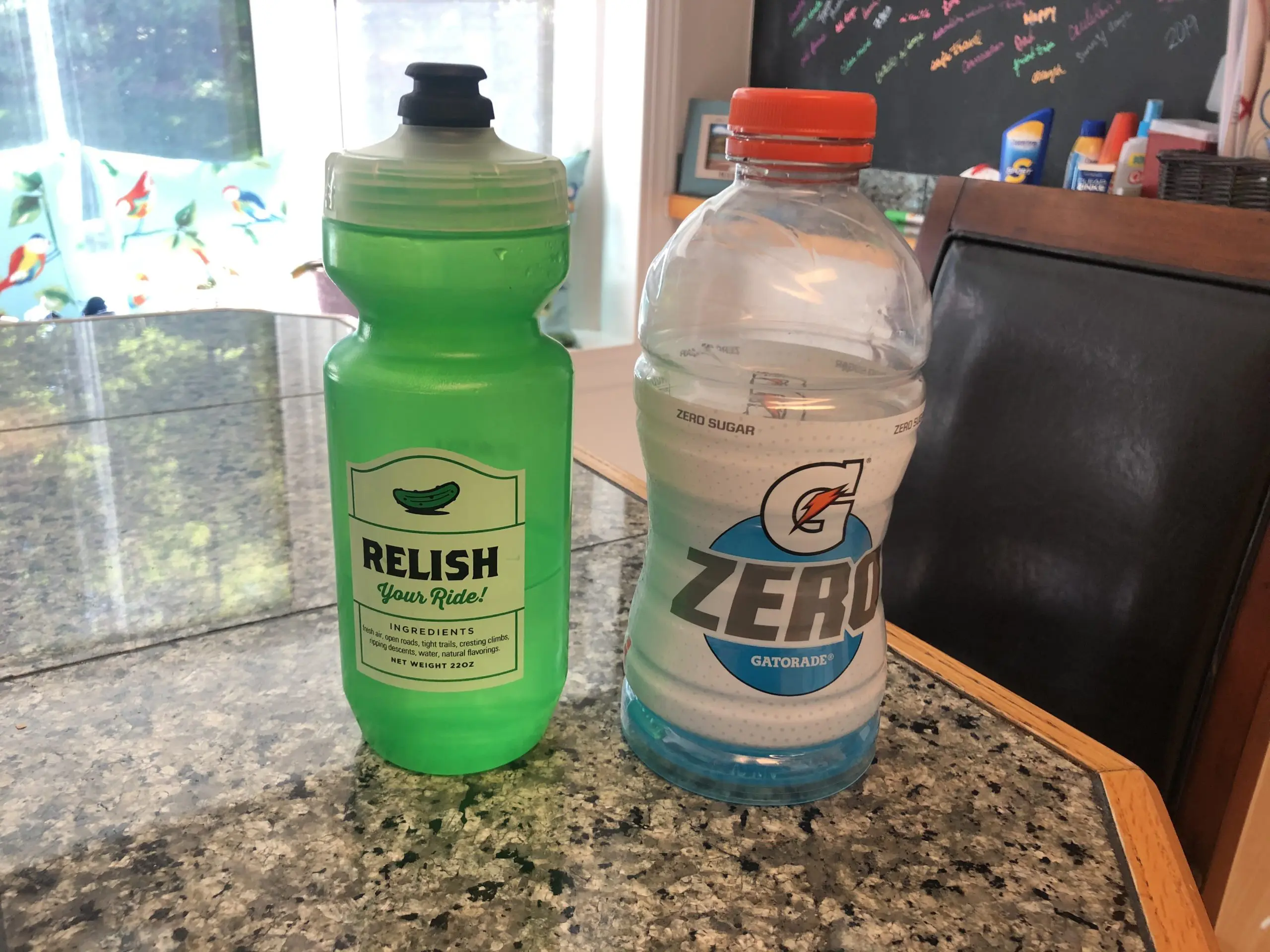
Much like other areas of performance training, proper hydration as an essential aspect of a comfortable, enjoyable run. Although it’s normal for runners to experience a small amount of dehydration, drinking enough fluids can significantly reduce the chances of any adverse effects. On top of that, proper hydration can improve your energy and endurance and even minimize recovery times.

Here are some general hydration recommendations to maximize run performance.

1. Pre-Run

Your hydration strategy should begin long before you start putting on your running gear. What you drink in the hours before a run is perhaps one of the most important aspects of hydration. Be mindful to drink plenty of fluids throughout the day before your run. Then, about 15–30 minutes before heading out the door, drink 250–500ml of fluids.

2. During The Run

The general rule of thumb is to drink 5–10 fl. oz. every 15–20 minutes while you are running. Again, this requirement can vary based on your individual needs or the temperature at the time of your run. However, this is a great general rule to set a baseline for how much water to bring along for your run.

If you don’t like carrying a water bottle or wearing a hydration belt, you can plan out a running route with access to water fountains along the way.

3. Post-Run

Post-run hydration is essential to get your fluid levels back to normal and helps prepare you for the next run. The general rule of thumb is to drink 16–24 fl. oz. of water for every pound lost during your run. 

Final Thoughts

Everyone — and every run — is different. Some days it’s hot and humid, and you’ll likely want to increase your fluid consumption. Other days you may only be running for 20 minutes, in which case you might not even need to bring water on the run. The more you experiment with different hydration techniques, the more in-tune you’ll be with your body and its unique hydration needs. 

Get The Most Out of Your Runs!

Whether you’re an elite runner or weekend warrior, rest days are equally important. In our years as a physical therapy clinic in Bethesda, we’ve taught our patients that the rest days are a crucial component of any good running program.

Resting is necessary to recover appropriately, avoid burnout, and develop as a runner. On days off, your body repairs and rebuilds broken-down muscle tissue from strenuous runs and training sessions. Without proper rest, you may end up needing a physical therapist in Chevy Chase or Bethesda.

Here are three simple things you can do to optimize your days off.

Catch Up On Sleep

Sleep is one of the most important aspects of recovery. During sleep, your muscles relax, and hormones that promote tissue recovery are produced. 

Without sufficient sleep, your muscles might remain tense and sore, which can even lead to chronic pain. On your days off, try getting to bed an hour earlier to catch up on this vital muscle recovery component.

Perform Light Movement

One of the most important things you can do on a rest day is perform a relaxing home exercise routine to address any inflammation or muscle tightness. Examples include light mobility work, yoga, or whatever else you may enjoy. This will help reduce muscle soreness and improve your range of motion. They’ll help your legs feel fresh and get you ready to run hard the following day.

Fuel Your Body

Another important aspect of rest and recovery is nutrition and hydration. Just because you aren’t running on a rest day doesn’t mean you should deviate from your normal nutrition strategy.

On rest days, it’s essential to fuel your body with foods that support muscle recovery and growth. This means prioritizing protein-rich foods, complex carbs, healthy fats, and plenty of fruits and vegetables. Focus on healthy, nutrient-dense foods to help improve muscle recovery. 

Final Thoughts

Just as your training runs are vital to your running performance, so are your rest days. Without taking the proper time to rest and recover, you’re putting your body at greater risk for injury or burnout. These three simple techniques can help optimize your rest day and improve your recovery. If you want a customized approach to optimizing your rest days, our sports physical therapy clinic in Chevy Chase can help!

×