A physical therapist’s role in performance training

Physical therapy plays an integral role in the world of sports, particularly for young athletes navigating the challenges of high school sports.

After opening our new facility in Bethesda, my return to treating patients has once again shown me the critical role that physical therapy and physical therapists play in the health, recovery, and performance enhancement of these young individuals.

Our afternoons are bustling with the energy of high school athletes, many of whom bring a fervor and intensity to their training that, while commendable, often needs a more informed approach to be sustainable and beneficial in the long term.

The Role of Physical Therapists in Youth Sports

Physical therapists specialize in understanding the complex dynamics of the human body, especially how it heals, adapts, and improves with proper training and rehab. In the context of high school athletics, a physical therapist’s role transcends mere rehabilitation; it encompasses prevention, education, and performance optimization. We see a common thread among young athletes: a passion for their sport that sometimes leads to overzealous training habits.

Overtraining: The Pitfall of Youthful Exuberance

The notion of overtraining is not new, yet it remains a prevalent issue among high school athletes. The invincibility felt by the youth can often lead to pushing their limits, participating in multiple teams, and juggling a demanding academic schedule. This relentless pursuit of excellence, while admirable, can lead to compromised techniques and an elevated risk of injuries. Herein lies the importance of physical therapy – guiding these athletes towards more mindful, strategic approaches to training that emphasize recovery, technique, and balanced physical development.

The Overlooked Aspects of Performance Training

In the age of social media, the allure of “exciting” training routines is undeniable. Yet, it is the foundational aspects of youth sports performance training – such as mobility, stability, and foundational movement skills – that often go overlooked. The basics don’t get a lot of likes on Instagram!

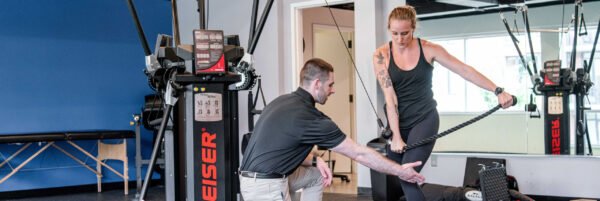
Physical therapists are adept at identifying these gaps and implementing training regimens that address these vital components. Exercises like Forward Bounds and Forward Hops are examples of specific drills that we use to teach essential skills, highlighting the need for a nuanced approach to training that balances the exciting with the essential.

The Need for Individualized Training Programs

Another critical area where physical therapists make a significant impact is in the development of individualized training programs. High school athletes, particularly those recovering from injuries, require tailored programs that consider their unique needs, strengths, and weaknesses. Generic training programs often do not address these nuances, potentially hampering an athlete’s recovery and performance enhancement. A physical therapist’s expertise in creating customized training plans is invaluable, ensuring each athlete’s journey towards optimal performance is both efficient and safe.

Encouraging a Holistic Approach

For athletes motivated to excel, the guidance of a physical therapist can be transformative. It is not merely about correcting mistakes but fostering a holistic approach to training that integrates physical wellness, injury prevention, and performance optimization. Our training programs embody this philosophy, offering young athletes a comprehensive foundation upon which to build their sporting endeavors. To learn more about our training programs, click here!


Physical therapy and physical therapists occupy a central role in the health and performance of high school athletes. Through their expertise in rehabilitation, injury prevention, and performance training, they guide young athletes towards more sustainable, effective training practices. The lessons learned extend beyond the gym or field, instilling a mindset that prioritizes overall health, well-rounded development, and the long-term enjoyment of sports. As we continue to support these young athletes at our Bethesda and McLean facility, the value of physical therapy remains abundantly clear – it is not just about rehabilitation but about fostering a generation of athletes who are as healthy as they are talented.


 

2023: A Year of Growth and Reflection

This past year has been nothing short of transformative—both personally and for our physical therapy and sports performance practice.

In December 2022 (close enough to count!), we opened a new physical therapy clinic in McLean, led by our Clinic Director, Dr. Kelly Henry. As we continued to expand our presence in Northern Virginia, Dr. Samuel Kinney joined our team later in the year, further strengthening our ability to make an impact in the community.

November marked another milestone with the relocation of CHP Bethesda to a larger, more advanced facility, under the leadership of Clinic Director, Dr. Sebastian Bellitto. This cutting-edge space not only allowed us to grow our physical therapy offerings but also launched CHP Performance U, directed by Dr. Ethan Lennox. Performance U is our latest initiative, providing small-group sports performance training designed specifically for elite high school athletes aspiring to compete at the collegiate level. You can check out their festive, holiday-themed training session in the video below.

While 2023 was a year of expansion and progress for CHP, it was also a year of personal growth for me. I embraced discomfort and learned the importance of trusting our exceptional team to guide the ship forward.

However, my most valuable lesson from this year wasn’t about growth—it was about reflection.

I’ve often struggled with reflection, constantly focused on what comes next. While forward-thinking is essential, this single-minded focus has sometimes taken a toll on my mental well-being. This year, I made a conscious effort to slow down and reflect.

Looking ahead is crucial, but what’s the point if we don’t pause to appreciate the positive things we’ve accomplished along the way? As I reflect on this past year, I’m filled with gratitude for everything we’ve achieved at CHP and in my personal life. This includes our beloved pup, Reina, who has bravely battled cancer all year and continues to show incredible resilience.

As we step into 2024, I encourage you to take a moment to reflect on the wonderful experiences and accomplishments of 2023.

Here’s to a bright and fulfilling New Year!

Cheers!

Conquer the slopes: physical therapy for skiers

The air is crisp, morning frost is on the car windshield and the skin on my hands are cracking.

Winter is officially here and instead of just “surviving” winter, why not embrace and enjoy it?

It’s a fantastic time to embrace the great outdoors and stay active, especially when chilly weather tends to encourage a more sedentary lifestyle.

In McLean and Bethesda, several of our physical therapy clients have been preparing for the ski season. Their goals vary, from recovering from past injuries to simply wanting to be in top physical shape to handle the rigors of skiing.

It’s important to recognize that skiing is a demanding sport due to the unique constraints it places on the body.

Ski boots, while providing necessary support, significantly limit the movement of the ankle and calf muscles, unlike activities that involve running or jumping. These limitations shift more demand onto the knees and hips to control movement. This is reflected in the common ski-related injuries, with ACL and MCL injuries in the knee being particularly prevalent.

Beyond improving your skiing skills and avoiding falls, preparing your lower body for skiing is an effective strategy for injury prevention. As part of your physical therapy and exercise regime, consider incorporating the following exercises into a warm up before hitting the slopes:

Wall Squat Hold: Find a challenging position and perform 2-3 sets of 30-second holds. This exercise strengthens your thighs and glutes, crucial for maintaining stability while skiing.

Single Leg Drop: Execute 2-3 sets of 6 reps on each side. This exercise not only improves balance but also targets the muscles around the knees and hips, areas that bear the brunt of the workload while skiing.

Whether you’re an avid skier coming back from an injury or someone looking to enhance your physical fitness for skiing, incorporating these physical therapy exercises into your routine can make a significant difference.

Stay safe, enjoy the slopes, and make the most of this winter season!

What breaking my nose taught me about physical therapy and performance training

My nose healed up, so I assumed I was fine (this was clearly before I became a sports physical therapist)…

It was the late 90s, and I had broken my nose a few weeks prior. My doctor cleared me to return to wrestling practice as long as I could avoid contact to the face.

Surprisingly, my middle school teammates respected that, and I was able to fully return to the mat. What was also a surprise was that I struggled to rebuild my conditioning as I continued to struggle to breathe through my nose. Turns out I had a deviated septum because of the fracture and ultimately had to get surgery to fix it.

I quickly realized that feeling better and hitting peak performance is about more than heavy training and conventional approaches to sports physical therapy.

Survival is your body’s number 1 priority, and it will pull out all the stops to maintain that sweet ability to breathe– even if it means putting more stress on other areas.

Nasal breathing is the VIP pass to effective respiration. It’s the body’s go-to strategy when you’re relaxing and even during those moderate sweat sessions. Breathing through your nose isn’t just about getting air in and out – it’s a full-service operation. It filters, humidifies, and regulates the temperature of the air you’re breathing. And here’s the kicker – it lets you extract more oxygen because it takes longer than mouth breathing.

But wait, there’s more. Breathing through the nose isn’t just a respiratory hack; it’s a triple threat. It’s like the Swiss Army knife of wellness, regulating stress, blood pressure, and even boosting the immune system.

Now, how do you get in on this nasal breathing action? Easy. Start with a 5-minute daily ritual of relaxed breathing. Inhale and exhale through the nose, throw in 5-second pauses after each exhale, and ensure that the exhale is twice as long as the inhale. It’s like a mini-vacation for your respiratory system.

Quick side note: if you’ve got anything messing with your ability to breathe – asthma, allergies, or a deviated septum – don’t be a hero. Talk to your doctor or physical therapist about it. These issues can throw a wrench in your nasal breathing game and mess with all your best efforts.

CHP Spotlight Interview with Dr. Steven Bernstein

How long will my athlete be in sports physical therapy after their ACL repair?

What’s going on with Aaron Rodgers? Can he really rehab his achilles repair in 14 weeks?

What is the one thing that you can do to play your sport for as long as possible?

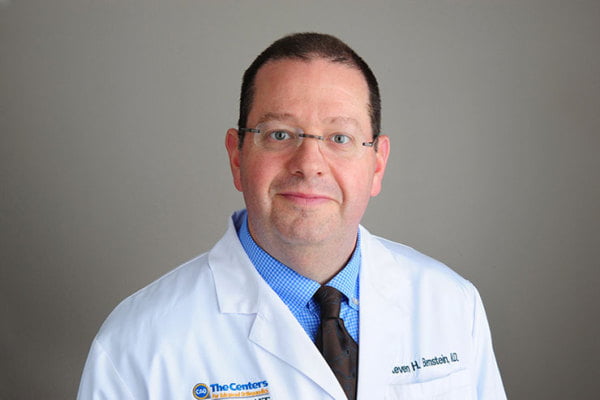
I recently interviewed Dr. Steven Bernstein to tackle these questions and more in the latest edition of the CHP Spotlight Interview series. Dr. Bernstein practices orthopedic surgery with Summit Orthopedics, focusing on sports medicine. He specializes in arthroscopic surgery of the knee, shoulder and ankle. 

The mission of the CHP Spotlight Interview Series is to share information with you from local experts in the fields of sports medicine, physical therapy, personal training, and sports performance. Now, more than ever, a seemingly infinite amount of information is available, and finding credible information is challenging. But we have good news. We are here to help you find the best information about physical therapy, personal training, and sports medicine from experts in Bethesda, Chevy Chase, DC, McLean, and Northern Virginia.

If you or someone you love has had a shoulder, hip, or knee injury, don’t miss this interview! 

To learn more about Dr. Bernstein, click here and check out our interview below!

Traveling hurts!

Recently, I was working with a physical therapy client who was sharing her Thanksgiving travel plans with me—multiple rest stops and long hours in the car.

If you enjoy crowded airports and endless traffic, then this is almost your favorite time of year!

But, if you’re like most people, holiday travel isn’t exactly your idea of fun.

It seems like delays are inevitable. Remember the Southwest fiasco last year?

All that extra time sitting in the car or waiting at the airport can be uncomfortable. Your back stiffens up, your hips ache, and you start to feel tight all over. We hear about this a lot at our physical therapy clinics in McLean and Bethesda.

Holiday travel is already stressful, and discomfort is the last thing you need.

So, what can you do?

Move around! There’s no such thing as a perfect sitting posture—what’s important is to keep changing positions.

In our daily lives, we naturally shift from side to side as we stand and move. But this decreases when we’re sitting in a car, at the airport, or on a plane, causing discomfort in more sensitive areas of the body.

When sitting, try to locate your “sit bones”—the bones at the bottom of your pelvis that you sit on. Every 10-15 minutes, shift your weight from one “sit bone” to the other, and occasionally distribute your weight evenly for 5-10 minutes.

As a physical therapist, I often recommend alternating between having your legs straight and bent, and whenever possible, get up and take a walk. If you’re on a flight with me, you’ll see me stand up as soon as the seatbelt sign goes off!

If your neck, chest, or upper back starts to feel tight, remember the 20/20/20 rule!

Staring at your phone for too long can cause upper body discomfort.

The 20/20/20 rule, which comes from optometry, suggests that for every 20 minutes of focused activity, you should take a 20-second break and look at something 20 feet away.

This reduces strain on a single point and helps alleviate upper body tension.

These strategies should help reduce the tension that comes with holiday travel. However, they might not be enough if you have areas of your body that are recovering from an injury or are particularly sensitive.

Reach out to us to find the ultimate solution to your discomfort and start feeling your best this holiday season!

×