Performance Training for Young Athletes in Bethesda and McLean: What Parents Need to Know

Parents in Bethesda and McLean frequently ask us when their child should start performance training and whether it’s safe, age-appropriate, or even necessary. These are important questions, and ones we hear daily from families with active kids and young athletes.

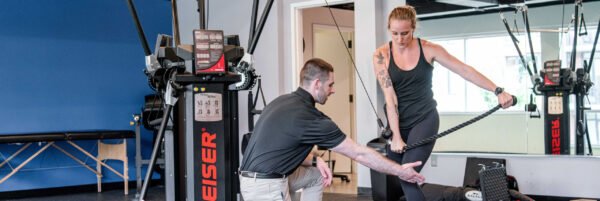
As physical therapists and strength & conditioning coaches serving the Bethesda and McLean communities, our focus is not on lifting heavy weights early. The goal of performance training for young athletes is to build strong fundamentals, healthy movement patterns, and a positive relationship with exercise that supports long-term athletic development.

Is Performance Training Safe for Kids?

One of the most common concerns parents raise is whether performance training can stunt growth. Fortunately, there is no strong evidence to support this belief.

In fact, when you consider the forces kids experience during normal play. Running, sprinting, jumping, cutting, and landing, those forces often exceed what they experience in a properly supervised performance training environment.

Safe performance training in Bethesda and McLean comes down to:

  • Appropriate coaching and supervision
  • Smart exercise selection
  • Gradual progressions
  • Emphasis on movement quality over load

No responsible program is placing a young athlete under heavy weights. Instead, performance training focuses on control, coordination, and proper mechanics.

What Performance Training Should Look Like for Younger Athletes

For pre-pubertal athletes (roughly ages 9–12), performance training should prioritize learning how to move well. At our Bethesda and McLean locations, this includes:

  • Teaching proper movement patterns and technique
  • Improving balance, coordination, and body awareness
  • Building strength through safe, controlled exercises
  • Developing running mechanics, agility, mobility, and overall athleticism

Performance training is not just weightlifting. It’s a comprehensive approach to helping young athletes move efficiently and confidently, both in sports and daily activities.

Why Consistency Matters More Than Intensity

One of the biggest mistakes we see is treating training as a short-term season rather than a long-term process. For most young athletes in Bethesda and McLean, one to two performance training sessions per week, done consistently, produces far better results than training heavily for a few months and then stopping.

Equally important, training needs to be fun. Younger athletes benefit most from sessions that are engaging, playful, and appropriately challenging. When kids enjoy performance training, they are far more likely to stay consistent, and consistency is what drives long-term success.

Long-Term Benefits of Performance Training for Young Athletes

Athletes who begin performance training early often experience:

  • Better movement quality as they grow
  • Improved strength and coordination during adolescence
  • Fewer injuries over time
  • Increased confidence in the weight room during high school

We regularly see athletes from Bethesda and McLean who started training young enter high school, and even college, with a strong foundation already in place. This allows them to progress faster and train more effectively as demands increase.

Performance Training: The Big Picture

Performance training isn’t about pushing kids too hard or specializing too early. It’s about teaching young athletes how to move well, training consistently, and creating a positive environment around exercise.

When these foundations are built early, sport-specific and higher-intensity training can be layered in safely and effectively later on.

If you’re a parent in Bethesda or McLean looking for performance training that prioritizes safety, fundamentals, and long-term athletic development, our team would be happy to help guide your athlete in the right direction.

Key Takeaways from a Fitness Competition

This past Saturday, I had the privilege of being the performance physical therapy sponsor at an incredible event to raise funds for breast cancer research—Girls Gone RX, hosted by our friends at Crossfit Route 7 in Tyson’s Corner.

From the moment I stepped through the doors, I could feel the energy. A throwback mix of NSYNC, Backstreet Boys, and Britney Spears filled the air, instantly taking me (and probably many others!) back to the days of Total Request Live on MTV.

But it wasn’t just the music that made this event memorable—there were some amazing takeaways from the competition that can apply to physical therapy, or any sport or workout routine. Here’s what stood out:

The Power of a Supportive Environment

One thing CrossFit does exceptionally well—especially at CrossFit Route 7—is foster a fun, supportive community. It was inspiring to see how excited everyone was to be spending their Saturday at the gym, whether they were competing or cheering on the athletes. The event was a women-only competition, yet both men and women were there in full force, cheering loudly from the sidelines.

The participants ranged from beginners to seasoned athletes. Some were lifting impressive amounts of weight, while others were simply excited to be part of the action. The diversity of skill levels only added to the event’s energy and made it even more inclusive. A supportive environment doesn’t just apply to fitness, it matters in healthcare and physical therapy as well.

Taking Warm-Ups Seriously

These athletes were no strangers to competition, and their warm-up routines showed it. Before each event, competitors spent significant time preparing, but these weren’t your typical, one-size-fits-all warm-ups. The exercises were specifically tailored to the movements required for each event.

For example, before an event involving barbell cleans, the athletes took time to perfect their form, using weights similar to what they’d be competing with. It was impressive to see how much attention was given to detail, and it served as a reminder that a good warm-up should transition you smoothly into your workout. By the time the event began, most of the athletes had already broken a sweat, minimizing the risk of injury.

Master the Basics

Most of the women competing had clearly spent countless hours honing their skills. CrossFit requires a blend of mobility, strength, and technical expertise. It’s tempting to jump straight into the fun aspects of a sport, but this event was a great reminder that you must master the prerequisite qualities of any activity first for long-term success.

Just like building a house, laying a strong foundation is key before adding the finishing touches. Whether you’re a beginner or a seasoned athlete, it’s essential to invest time in developing the movement patterns and technical skills that pave the way for long-term success and injury prevention.

A personalized movement assessment can make all the difference, helping you stay injury-free while enjoying your favorite sport. If you’re interested in learning more about how to get your own custom movement evaluation, contact us!

A physical therapist in the wild! 3 of my personal upper body warmups

Incorporating overhead pressing exercises into my weight training routine is something I really enjoy, but I often find them a bit challenging.

My overhead mobility isn’t as good as I’d like it to be, and a significant reason for that is my stiff chest. I have a mild case of pectus excavatum, commonly known as bowl chest. This condition causes the sternum-the bone at the center of the chest-to remain depressed, creating difficulties during overhead movements.

While this condition varies in severity, it often leads to difficulties during overhead movements due to the restricted ability of the sternum to rise when pressing or reaching overhead. In an ideal scenario, the sternum should lift as you inhale and lower as you exhale. However, for individuals with pectus excavatum or a generally stiff chest, this natural movement is hindered, making overhead exercises more challenging.

It’s not just those with pectus excavatum who face these challenges. Many people develop tight chest walls from modern lifestyle habits such as prolonged sitting, slouching, carrying heavy backpacks, or simply spending too much time hunched over a desk. These habits can cause stiffness in the chest, limiting overhead mobility and increasing the risk of injury during exercises like the overhead press.

Physical therapy offers a comprehensive approach to improving overhead mobility, particularly for those dealing with stiff chests. Traditional stretching methods might not be effective in addressing the underlying issues that restrict movement. Instead, targeted exercises and warm-up drills can be instrumental in loosening the chest, enhancing mobility, and ensuring that the body is well-prepared for the demands of weight training.

Three Effective Warm-Up Drills for Improved Overhead Mobility

To address these challenges, incorporating specific warm-up drills into your routine is crucial. Here are three exercises that can help improve overhead mobility, especially for those struggling with a stiff chest:

1. Crab on Elbows: This exercise is designed to open up the chest and promote better sternum mobility. By supporting yourself on your elbows in a crab-like position, you can stretch the chest and prepare it for the demands of overhead pressing.

2. Hooklying Overhead Reach: In this exercise, you lie on your back with your knees bent and reach overhead. The goal is to enhance the connection between your breathing and your chest movement, encouraging the sternum to rise and fall with each breath. This drill not only improves mobility but also reinforces proper breathing techniques that are essential during overhead movements.

3. Yoga Pushup*: Combining the elements of a traditional pushup with yoga-inspired movements, the yoga pushup is excellent for improving overall shoulder and chest mobility. It helps in engaging the entire upper body while emphasizing the importance of controlled breathing and proper form.

The Importance of a Tailored Warm-Up Routine

A tailored warm-up routine that addresses specific areas of stiffness or weakness can significantly improve your performance and reduce the risk of injury. In physical therapy, we emphasize the importance of being intentional about your warm-ups. By incorporating exercises like the crab on elbows, hooklying overhead reach, and yoga pushup, you can specifically target areas that need improvement, ensuring that your body is fully prepared for the workout ahead.

Moreover, these exercises are not just about getting ready for the workout; they are about making long-term improvements in mobility and strength. Over time, consistent practice of these drills can lead to better overhead mobility, reduced discomfort, and enhanced performance in your weight training routine.

For anyone facing challenges with overhead pressing due to a stiff chest or conditions like pectus excavatum, physical therapy offers a range of solutions that can make a significant difference. By incorporating targeted warm-up drills into your routine, you can improve your overhead mobility, reduce the risk of injury, and enjoy the full benefits of your weight training regimen. Remember, being intentional about your warm-up is not just a preparation—it’s a critical part of your journey toward better physical health and performance.

A physical therapist’s role in performance training

Physical therapy plays an integral role in the world of sports, particularly for young athletes navigating the challenges of high school sports.

After opening our new facility in Bethesda, my return to treating patients has once again shown me the critical role that physical therapy and physical therapists play in the health, recovery, and performance enhancement of these young individuals.

Our afternoons are bustling with the energy of high school athletes, many of whom bring a fervor and intensity to their training that, while commendable, often needs a more informed approach to be sustainable and beneficial in the long term.

The Role of Physical Therapists in Youth Sports

Physical therapists specialize in understanding the complex dynamics of the human body, especially how it heals, adapts, and improves with proper training and rehab. In the context of high school athletics, a physical therapist’s role transcends mere rehabilitation; it encompasses prevention, education, and performance optimization. We see a common thread among young athletes: a passion for their sport that sometimes leads to overzealous training habits.

Overtraining: The Pitfall of Youthful Exuberance

The notion of overtraining is not new, yet it remains a prevalent issue among high school athletes. The invincibility felt by the youth can often lead to pushing their limits, participating in multiple teams, and juggling a demanding academic schedule. This relentless pursuit of excellence, while admirable, can lead to compromised techniques and an elevated risk of injuries. Herein lies the importance of physical therapy – guiding these athletes towards more mindful, strategic approaches to training that emphasize recovery, technique, and balanced physical development.

The Overlooked Aspects of Performance Training

In the age of social media, the allure of “exciting” training routines is undeniable. Yet, it is the foundational aspects of youth sports performance training – such as mobility, stability, and foundational movement skills – that often go overlooked. The basics don’t get a lot of likes on Instagram!

Physical therapists are adept at identifying these gaps and implementing training regimens that address these vital components. Exercises like Forward Bounds and Forward Hops are examples of specific drills that we use to teach essential skills, highlighting the need for a nuanced approach to training that balances the exciting with the essential.

The Need for Individualized Training Programs

Another critical area where physical therapists make a significant impact is in the development of individualized training programs. High school athletes, particularly those recovering from injuries, require tailored programs that consider their unique needs, strengths, and weaknesses. Generic training programs often do not address these nuances, potentially hampering an athlete’s recovery and performance enhancement. A physical therapist’s expertise in creating customized training plans is invaluable, ensuring each athlete’s journey towards optimal performance is both efficient and safe.

Encouraging a Holistic Approach

For athletes motivated to excel, the guidance of a physical therapist can be transformative. It is not merely about correcting mistakes but fostering a holistic approach to training that integrates physical wellness, injury prevention, and performance optimization. Our training programs embody this philosophy, offering young athletes a comprehensive foundation upon which to build their sporting endeavors. To learn more about our training programs, click here!


Physical therapy and physical therapists occupy a central role in the health and performance of high school athletes. Through their expertise in rehabilitation, injury prevention, and performance training, they guide young athletes towards more sustainable, effective training practices. The lessons learned extend beyond the gym or field, instilling a mindset that prioritizes overall health, well-rounded development, and the long-term enjoyment of sports. As we continue to support these young athletes at our Bethesda and McLean facility, the value of physical therapy remains abundantly clear – it is not just about rehabilitation but about fostering a generation of athletes who are as healthy as they are talented.


What is that pinch in my hip?

Have you ever felt a pinching sensation in the front of your hip? This is one of the most common symptoms that our sports physical therapy hears from people with hip problems.

We hear about it from all ages and populations – field athletes, powerlifters, weekend warriors, etc.

Our physical therapy patients in Bethesda and McLean note that they feel an uncomfortable sensation in the front of their hip whenever they flex their leg, squat, or bear lots of weight on one side. This may happen during running, lifting weights, or getting on and off the floor.

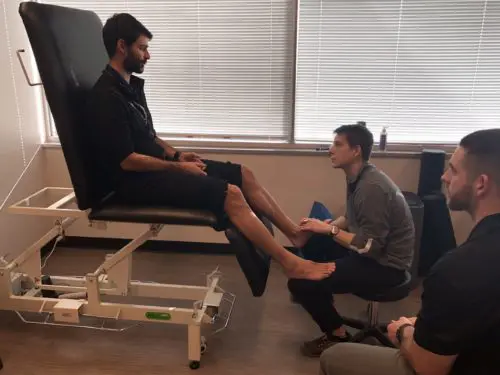
The hip is a big, complex joint with lots of moving (and not moving) parts! “Pinching” symptoms often involve a few structures. Some to note are the hip labrum, the hip flexors, and the shape of your hip ball and socket itself. While it may be difficult to diagnose the exact cause of those symptoms, your physical therapist can perform a physical exam to differentiate what is giving you problems and how we can address this in physical therapy.

Often, it is a combination of the 3 factors above. Muscle testing, range of motion, and a deep dive into your symptoms and history inform us about the cause of your pain. Findings we see include:

1. Decreased hip flexion or internal rotation range of motion
2. Discomfort and difficulty with deep squatting or lunging
3. Weakness of the hip flexors, abdominals, or hip abductors/adductors

But why does this happen?

As mentioned, the hip is a big, complex joint supporting much of your body weight. As we move throughout the day, from walking to running to sitting to standing, our hips and pelvis adapt to the changes in the load being placed on them. Our joints are lined with cartilage that helps absorb shock and protect the joint. The muscles around our joints help to manage additional stress and decrease the amount of pressure on the joint. If one of these three pieces is affected – the hip labrum (cartilage), the hip muscles/tendons, or the bony structure of the joint itself, the other pieces will be affected as well. This can progress to labral tears, hip flexor tendinopathy, and chronic hip impingement symptoms.

In simple terms (although none of this is simple!), there is too much pressure in one spot. As physical therapists, our job is to teach you how to manage this pressure better, protect the structures that are giving you problems, and gradually progress you back to the activities that you want to do while respecting the healing process. A few interventions we use to do this are:

1. Hip range of motion drills

  1. Hip flexor/adductor isometric strengthening
  1. Dynamic hip flexion progressions

If you have been experiencing a consistent pinching sensation in the front of your hip, see a healthcare professional, preferably a sports physical therapist. These symptoms commonly become more intense and limiting over time. Contact us now for help solving your chronic hip discomfort!

It’s an athlete’s right of passage

The first time may have happened as you landed from a jump playing basketball or making a cut while playing soccer. And since that first time, it has happened several more times.

What should you do the next time you sprain your ankle? Should you go to an athletic physical therapy clinic like ours in McLean and Bethesda?

Most likely, it will be swollen and painful, but you should be able to put some weight through it.

If you cannot put any bodyweight through your ankle, see a physical therapist or doctor immediately.

Assuming a fracture has been ruled out, it is time to start the physical therapy process immediately. The sooner you get started, the quicker you recover!

Initial goals are to reduce swelling, restore the range of motion to the ankle, and get back to walking pain-free, without a limp.

Range of motion is often restricted by joint swelling, and below are a few tips to help.

  1. Move the injured ankle through a comfortable range of motion. This can be drawing circles with your ankle, drawing out the ABCs with your ankle, or pumping your ankle up and down. The important thing is that the joint is being moved.
  2. Elevate the limb above the heart as much as possible.
  3. Perform aerobic exercise that elevates your heart rate to increase blood flow to the area, which will help clear out extra fluid in the joint. An exercise bike is recommended so that weight bearing is not an issue.

Next is strengthening.

Once you have restored the normal range of motion and can comfortably bear weight through the injured joint, it is time to start building up the ankle’s tolerance to higher loads and the demands of life/sport. This will be a combination of strengthening and balance exercises.

Here are a few exercises to help you work on strengthening and balance.

Single leg stance with rotation
Front foot elevated heel raise
Multidirectional RDL 

Finally, the fun phase. Sport-specific movements! Movements during this phase are tailored to your sport, often involving change of direction/cutting drills. Various jumping and hopping movements, called plyometrics, are also included.

Below are 2 examples of plyometrics drills we have used with our athletes.

Alternating split stance leaps
Lateral bounds
 
It is important that you feel 100% confident in your ankle before you are finished with rehab.

If you or someone you know recently sprained their ankle, reply to this email and accelerate your return to the field!

×