Debunking the Bone on Bone Myth

“Best Walking Shoes for Knee Pain for Women” by gm.esthermax is licensed under CC BY 2.0

I’m sure you’ve heard someone say it before:

“My knees are in such bad shape. It’s pretty much just bone on bone down there.”

Although this is a commonly held belief, athletic physical therapy speaks to the truth: “bone-on-bone is largely a myth.

Many patients complain of knee pain because they are “bone-on-bone” assuming there is nothing they can do but get surgery.

Fortunately, this common misconception just isn’t true. If a person is experiencing joint pain, one of the first treatment measures is X-rays or another imaging study of the joint. If the joint damage on the X-ray is severe, you may be told you are “bone-on-bone.” However, all that term means is that there is some amount of cartilage loss in the joint.

As the cartilage deteriorates, there is less cushioning between the ends of the bone that form the joint. This “rubbing” of bones against each other with less cushioning causes pain and discomfort. However, rarely, if ever, is the cartilage of the joint completely destroyed.

A doctor at the Core Medical Center in Blue Springs, MO, conducted more than 1,000 knee X-rays and discovered only one case where the cartilage of the knee joint was completely destroyed. The other 999 cases were simply deterioration of the cartilage, but it remained intact and functioning.

The truth is that “bone-on-bone” is just a fancy way of saying the cartilage is slowly deteriorating. Very seldom does it ever completely disappear. This term is used by doctors and physical therapists to better describe the situation to patients and the severity of their pain points.

If you’re experiencing joint pain or discomfort, our injury rehabilitation clinic in Bethesda/Chevy Chase can help! Whether you’re looking to overcome a recent injury or sick of joint pain preventing you from enjoying an active lifestyle, our team of physical therapists can help!
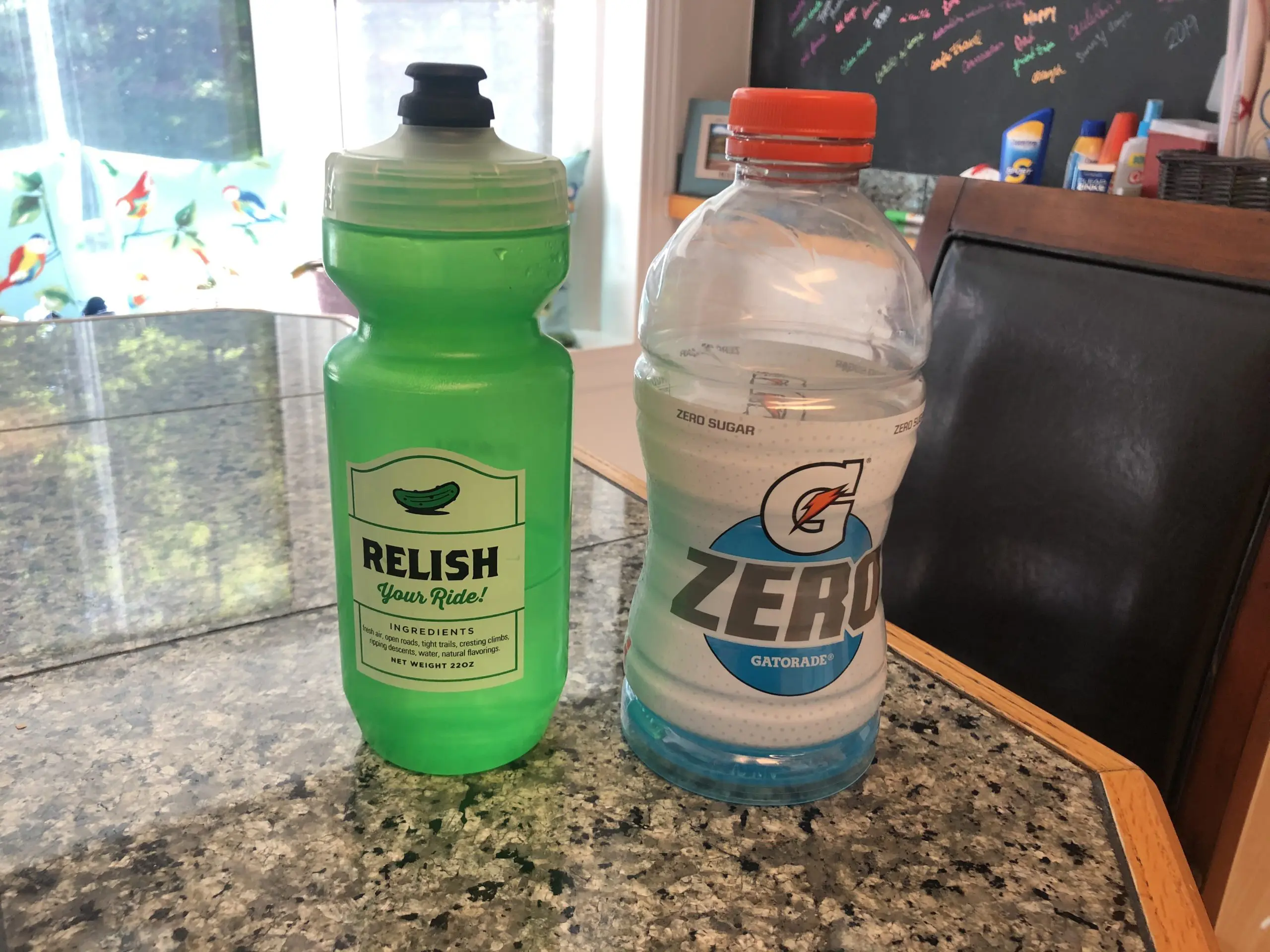
What Should You Be Drinking Before, During, and After a Run?

Much like other areas of performance training, proper hydration as an essential aspect of a comfortable, enjoyable run. Although it’s normal for runners to experience a small amount of dehydration, drinking enough fluids can significantly reduce the chances of any adverse effects. On top of that, proper hydration can improve your energy and endurance and even minimize recovery times.

Here are some general hydration recommendations to maximize run performance.

1. Pre-Run

Your hydration strategy should begin long before you start putting on your running gear. What you drink in the hours before a run is perhaps one of the most important aspects of hydration. Be mindful to drink plenty of fluids throughout the day before your run. Then, about 15–30 minutes before heading out the door, drink 250–500ml of fluids.

2. During The Run

The general rule of thumb is to drink 5–10 fl. oz. every 15–20 minutes while you are running. Again, this requirement can vary based on your individual needs or the temperature at the time of your run. However, this is a great general rule to set a baseline for how much water to bring along for your run.

If you don’t like carrying a water bottle or wearing a hydration belt, you can plan out a running route with access to water fountains along the way.

3. Post-Run

Post-run hydration is essential to get your fluid levels back to normal and helps prepare you for the next run. The general rule of thumb is to drink 16–24 fl. oz. of water for every pound lost during your run. 

Final Thoughts

Everyone — and every run — is different. Some days it’s hot and humid, and you’ll likely want to increase your fluid consumption. Other days you may only be running for 20 minutes, in which case you might not even need to bring water on the run. The more you experiment with different hydration techniques, the more in-tune you’ll be with your body and its unique hydration needs. 

×