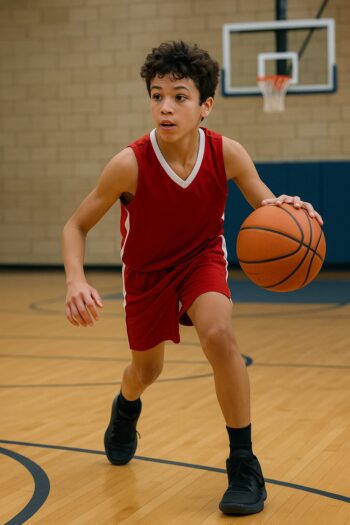
What Athletes Can Learn from a Fast Achilles Recovery

When Jayson Tatum returned to the court less than 10 months after an Achilles injury, it caught the attention of the entire sports world.

In sports physical therapy, we know that Achilles injuries often take a year or more for athletes to return to high-level performance. In some cases, athletes never quite look the same.

So how did he come back so quickly?

And more importantly, what can youth and adult athletes actually learn from it?

Why Professional Athletes Recover Differently

Before applying lessons from elite athletes, it is important to understand the context.

Professional athletes operate in a completely different environment:

  • They are in the top 1 percent of the 1 percent physically

  • Their recovery is their full-time job

  • They have access to daily, high-level medical care and performance staff

  • Their entire schedule is built around rehab, recovery, and performance

In sports physical therapy, setting realistic expectations is critical. Most athletes do not have the same time, resources, or baseline as professionals, and that is okay.

What Sports Physical Therapy Can Learn from Elite Recovery

Even though the situations are different, there are key principles from elite recoveries that apply to every athlete.

1. A Purpose Bigger Than the Injury

One of the most powerful drivers in any rehab process is motivation.

In sports physical therapy, athletes who connect their recovery to something bigger tend to have better outcomes. That might be:

  • Returning to their team

  • Earning a starting position

  • Playing in college

  • Staying active with family

When rehab has purpose, consistency becomes easier.

2. Consistency Is the Foundation

Successful rehab is not about occasional hard work. It is about consistent effort over time.

Athletes who make the most progress in sports physical therapy are the ones who show up regularly and commit to the process. Small improvements add up when they are repeated daily.

3. Effort Drives Adaptation

Injury recovery requires more than just attendance. Effort matters.

Tissues like the Achilles tendon respond to load. In sports physical therapy, we progressively increase that load so the tendon can adapt, become stronger, and tolerate the demands of sport.

If the effort is not there, the adaptation will not happen.

4. Objective Testing Guides the Process

One of the biggest differences in high-level rehab is ongoing testing.

In sports physical therapy, we regularly assess:

  • Strength

  • Force production

  • Movement quality

  • Sport-specific readiness

This allows us to adjust the program and ensure the athlete is progressing safely. Without testing, it is difficult to know if you are truly ready to return.

Applying This to Your Recovery

You do not need to be a professional athlete to have a successful recovery.

The key principles of sports physical therapy remain the same:

  • Have a clear goal

  • Stay consistent

  • Put in real effort

  • Follow a structured, guided plan

Whether you are a youth athlete aiming to get back on the field or an adult looking to return to training, these fundamentals make the biggest difference.

The Role of Sports Physical Therapy

Sports physical therapy is about more than just healing an injury. It is about preparing the body to handle the demands of sport again.

With the right guidance, athletes can:

  • Reduce re-injury risk

  • Improve performance

  • Build confidence in movement

  • Return to sport safely

If you or your athlete are recovering from an injury and want a clear, structured path back, sports physical therapy can provide the guidance needed to get there.

Why Are Young NBA Stars Getting Injured?

It’s a tough time for Boston Celtics fans. Star forward Jayson Tatum ruptured his Achilles during the playoffs—effectively ending this season and possibly the next. But what’s even more concerning is that Tatum’s injury is not an isolated case—it’s part of a much larger and troubling trend in professional sports.

As a physical therapy practice focused on performance and injury prevention, we’re seeing patterns that mirror what’s happening in the NBA: young athletes are breaking down earlier than ever before.

Achilles Injuries Are Happening Earlier—and More Often

Tatum is only 27 years old, yet he suffered an injury typically reserved for players in their mid-to-late 30s. He’s now one of six NBA players to tear their Achilles this season—and five of them are still in their 20s:

  • James Wiseman (24)
  • Dejounte Murray (28)
  • Dru Smith (27)
  • Isaiah Jackson (23)
  • Jayson Tatum (27)
  • (Damian Lillard was the only exception, at a more expected age for this type of injury)

These numbers are highly unusual. Achilles tears and other serious injuries used to be far less common among young, elite athletes.

All-Star Absences Are Surging

In addition to the Achilles tears, six NBA All-Stars missed games due to injury in just the first two rounds of this year’s playoffs. For comparison, from 1995 to 1999, only four All-Stars missed time during the entire playoffs over that five-year span.

Even more alarming: since 2008, the rate of injury among NBA stars has increased fivefold.

What’s Causing This Spike?

The issue goes beyond just bad luck or harder training. According to NBA insiders and medical professionals, the answer often starts much earlier—in youth sports.

1. Year-Round Competition with No Off-Season

Many young athletes, especially in sports like basketball, participate in year-round leagues such as AAU. They may play 3–5 games in a single weekend, and their bodies never get a true off-season to recover.

2. Early Sports Specialization

Specializing in one sport too early limits the body’s movement diversity. This repetitive stress on the same joints, muscles, and tendons builds up over time, making injuries more likely. When athletes don’t cross-train or play other sports, they don’t develop the balanced resilience that helps protect them from breakdown.

3. Wear and Tear by Age 18

As a result of #’s 1 and 2 above, medical teams at the NBA combine have noted that 18-year-old prospects often show the wear and tear of much older veterans. This is not normal—and it highlights just how early these issues start.

What Can Be Done?

As physical therapists, we believe injury prevention starts long before an athlete turns pro. Here are a few key recommendations for youth athletes and their parents:

  • Incorporate an off-season: The body needs time to recover, rebuild, and adapt.
  • Delay sports specialization: Stick with multiple sports through at least middle school.
  • Monitor playing volume: Be mindful of back-to-back tournaments and long weekends.
  • Prioritize movement quality: Incorporate strength, mobility, and recovery work into training.

How Physical Therapy Can Help

At Cohen Health and Performance, our goal is to keep athletes healthy—both in the short and long term. We work with youth athletes, collegiate hopefuls, and even professionals to:

  • Develop individualized injury-prevention programs
  • Monitor physical load and movement patterns
  • Guide athletes through proper recovery protocols
  • Provide strength and conditioning support tailored to each athlete’s body

If you’re a youth athlete (or the parent of one) with dreams of playing in college or beyond, the time to act is now. Reducing the risk of injuries today can mean avoiding setbacks that derail your career tomorrow.

Want to learn more or schedule an evaluation? Contact us here. We’d love to help you stay healthy and strong for the long haul.

What do I do if my athlete got injured?

What Should My Athlete Do After an Injury? How Can They Safely and Quickly Get Back on the Field?

To answer these questions, let’s explore the sports physical therapy process for one of the most common soft tissue injuries in soccer: a quad strain. For more details on soft tissue injuries and the differences between strains and sprains, check out last week’s article here.

Soccer players are prone to soft tissue injuries due to the sport’s high demands of sprinting, kicking, and sharp directional changes. Kicking injuries are particularly common, with the rectus femoris muscle, part of the quadriceps group, being the most frequently injured.

The rectus femoris muscle spans both the hip and knee. When an athlete winds up to kick a soccer ball, this muscle quickly stretches and contracts to execute the kick. Any muscle that repeatedly lengthens and shortens rapidly, especially across multiple joints like the hip and knee, is at a higher risk of injury.

Immediately following an injury, the athlete should be evaluated by a physical therapist or sports medicine physician to assess the severity and determine the appropriate course of action. While imaging can be useful, it’s not always necessary.

The rehabilitation process for a muscle strain can be broken down into three distinct phases:

1. Injury Management Phase

The goals of this phase are to reduce pain and inflammation, restore the muscle’s range of motion, and reintroduce pain-free functional movements. While the injured tissues need time to heal, complete rest isn’t the answer. Light strengthening exercises and mobility drills are essential to stimulate the healing process, making early physical therapy crucial.

Examples of early-phase exercises for a quad strain might include:

– Isometric knee extension with hip extended

– Split squat isometric

– Single-leg bear hold

Once athletes regain a full range of motion without pain and can perform basic bodyweight movements, they move on to the next phase of rehabilitation. Unfortunately, traditional physical therapy often stops here, leaving many athletes struggling to bridge the gap between rehab and full performance.

2. Strength Training Phase

At the beginning of this phase, many athletes still face significant strength deficits.

Strength training is vital for improving the quality of the injured tissue and reducing the risk of reinjury. This is the time to hit the weight room.

Strength training exercises for an athlete recovering from a rectus femoris or quad strain might include:

– Reverse Nordic curls

– Lateral step downs

– Safety squat bar step-ups

3. Sport-Specific Training

What must the injured tissue be able to do for a safe return to sport?

This phase of rehab demands a deep understanding of the athlete’s sport, ensuring the injured area is prepared for the challenges ahead.

Since the rectus femoris is often injured due to continuous, rapid lengthening and shortening, this movement pattern must be replicated and trained during rehab to prepare the athlete for the demands of soccer.

Some examples of exercises used in this phase might include:

– Alternating split squat jumps

– Banded deceleration drills


While these three phases apply to all muscle strains, the recovery timeline varies based on factors such as the injured body part, the severity of the injury, and other individual factors.

If your athlete is dealing with a muscle strain, it’s essential to schedule an appointment with a physical therapist or sports medicine physician as soon as possible. Early treatment has been shown to get athletes back on the field faster and more effectively. If you suspect that you or your child has a muscle strain, schedule an evaluation with us right away.

×