Back Pain Got You Regretting Yesterday’s Workout?

Back pain is one of the most common reasons active adults seek out physical therapy in Bethesda and McLean. A pattern we hear repeatedly sounds like this:

“My back feels great while I’m working out, but the next day it’s killing me.”

For many people, this is confusing and frustrating. If you felt strong and pain-free during the workout, why does your back feel stiff, sore, or even painful the following day? More importantly, does this mean you hurt yourself?

In most cases, the answer is no. What you’re experiencing is usually not an injury. It is a capacity and load tolerance issue, and understanding this distinction is critical to managing back pain effectively.

How Adrenaline Masks Back Pain During Exercise

During exercise, your body is flooded with adrenaline and other stress hormones. These chemicals temporarily increase pain tolerance, improve performance, and blunt symptoms. That is why you can lift heavy weights, move explosively, or push through intense workouts feeling strong and capable.

In the short term, your nervous system essentially turns down the volume on pain signals.

The problem shows up later.

Once the workout is over and those chemicals wear off, the tissues that were stressed beyond their current tolerance start to respond. This often happens hours later or the next morning, when you suddenly notice stiffness, soreness, or pain with simple movements like bending over or putting on socks.

This delayed response is one of the most misunderstood aspects of back pain physical therapy.

Why Next-Day Back Pain Does Not Automatically Mean Injury

Many active adults assume that pain equals damage. This belief leads people to panic, stop exercising, or avoid movements they enjoy. In reality, pain after activity is often your body’s way of signaling that the demand exceeded your current capacity, not that something was torn or broken.

Think of it like sun exposure. You might feel fine while you’re outside, but later that evening you realize you stayed out longer than your skin could tolerate. The solution is not to avoid the sun forever. It is to build tolerance gradually and dose exposure more intelligently.

Your back works the same way.

Load Tolerance and Why It Matters in Back Pain Physical Therapy

Load tolerance refers to how much stress your tissues can handle before symptoms appear. Your spine and surrounding muscles adapt positively to load when it is introduced progressively. Problems arise when demand increases faster than adaptation.

This is especially common when people:

  • Increase workout intensity too quickly
  • Add more weight or volume without adequate progression
  • Increase training frequency without adjusting recovery
  • Combine hard training with high life stress and poor sleep

High-intensity training performed for long durations can amplify this effect. Even if your technique is solid, your back may not yet be prepared to tolerate the cumulative stress.

Back pain physical therapy focuses on identifying these mismatches and correcting them, not simply chasing symptoms.

Why Avoiding the Gym Is Usually the Wrong Answer

After experiencing next-day back pain, many people respond by avoiding the gym altogether. While rest can calm symptoms temporarily, prolonged avoidance often leads to decreased strength, reduced tissue tolerance, and greater sensitivity to future stress.

This creates a cycle where the back becomes less resilient over time.

The goal of effective back pain physical therapy is not to remove load, but to apply the right load at the right time in the right amount. That is how long-term improvements happen.

Training Smarter Instead of Training Less

If your back pain consistently shows up after workouts but settles within a day or two, that is often a sign that your program needs refinement, not elimination.

Smarter training may involve:

  • Adjusting exercise selection
  • Modifying volume or intensity
  • Improving recovery strategies
  • Progressively loading the spine and surrounding musculature

A well-designed plan gradually increases your back’s ability to tolerate stress so that the same workouts no longer trigger symptoms.

This is one of the core principles of back pain physical therapy for active adults.

How Back Pain Physical Therapy Helps Active Adults

A comprehensive back pain physical therapy approach looks beyond where you feel pain and examines:

  • Strength and endurance of the trunk and hips
  • Movement strategies during loaded tasks
  • Training history and recent changes
  • Recovery capacity and overall workload

Rather than telling you to stop doing what you love, the goal is to help you return to lifting, training, skiing, snowboarding, and daily life with confidence and consistency.

If your back feels great during workouts but hurts the next day, that does not mean you are broken or that you should stop being active. In most cases, it means your current capacity does not yet match the demands of your training.

With the right progression, guidance, and strategy, your back can become more resilient over time.

That is exactly what high-quality back pain physical therapy is designed to do.

The Most Overlooked Reason Runners Keep Getting Injured

Repetitive soft tissue injuries are one of the most frustrating issues runners face. Calf strains, hamstring pulls, hip flexor pain, and lingering tendon problems often seem to appear out of nowhere, especially in runners who are otherwise consistent and motivated in their training.

One of the most overlooked causes of these injuries has nothing to do with mileage alone. Instead, it comes down to how close your body is operating to its maximum capacity during your runs.

Why Running Pace Matters More Than You Think

Imagine a car that can technically reach highway speed, but doing so requires maximum effort. Pushing it that hard, day after day, eventually causes things to break. Not because the distance is too long, but because the system is constantly operating near its limit.

The same principle applies to running.

If you are running close to your maximum sustainable speed just to hit your target training pace, your body is under significantly more strain. That strain is absorbed primarily by your soft tissues such as your calves, hamstrings, hip flexors, Achilles tendon, and connective tissue. Over time, this accumulated stress often leads to overuse injuries.

Two runners may complete the same 5-mile run at the same pace, but if one runner is operating at 80% of their maximum effort while the other is closer to 60%, the internal load on their bodies is very different.

This difference matters.

Why Faster Runners Often Stay Healthier

Elite and highly trained runners are fast, but more importantly, their speed ceiling is high. Because of this, moderate and long-distance paces require less relative effort. Their muscles and tendons are conditioned to tolerate higher forces, which makes everyday training less stressful on their bodies.

For recreational runners, this is where many training programs fall short.

A common assumption is that preparing for longer races simply means running more miles. While mileage is important, it is only one part of the equation. One of the most underutilized tools in injury prevention is strategic speed training.

How Speed Training Reduces Injury Risk

Speed training isn’t just about racing faster, it’s about raising the maximum speed your body can safely handle.

Incorporating interval-style workouts helps:

  • Improve force tolerance in muscles and tendons
  • Reduce strain during slower, longer runs
  • Improve running efficiency and resilience

A simple and effective example includes:

  • 400-meter intervals on a track or measured flat surface
  • Running at a high effort (roughly 80–90%)
  • Taking longer rest periods to ensure quality movement and speed

The goal is not exhaustion. The goal is adaptation, teaching your body to handle higher forces so that everyday running feels easier and places less stress on vulnerable tissues.

Even runners training for half marathons or marathons benefit from this approach, particularly during the off-season or early build-up phases. As race day approaches, speed work often becomes less frequent while mileage increases, but having already raised your speed ceiling can dramatically reduce injury risk.

How Physical Therapy for Runners Helps

This is where physical therapy for runners becomes especially valuable.

At Cohen Health & Performance, we work with runners to:

  • Identify strength, mobility, and load-management limitations
  • Assess running mechanics and tissue tolerance
  • Design training strategies that reduce injury risk
  • Integrate speed work safely and progressively
  • Treat recurring soft tissue injuries at the root cause

Rather than simply addressing pain after it appears, our approach focuses on helping runners train smarter so injuries are less likely to occur in the first place.

Serving Runners in McLean and Bethesda

We provide specialized physical therapy for runners at our clinics in McLean, VA and Bethesda, MD, working with runners of all levels, from recreational athletes to competitive endurance runners.

If you’ve been dealing with recurring calf strains, hamstring tightness, hip flexor pain, or feel like your body breaks down whenever you increase training intensity, it may be time to take a closer look at how you’re training, not just how far you’re running.

Our team helps runners stay healthy, improve performance, and continue progressing toward their goals without constantly being set back by injury.

If you’re looking for expert physical therapy for runners in McLean or Bethesda, we’re here to help.

What Your Patient Experience Tells You About Your Provider

When I first moved to the DC area, I had to find a new dermatologist. With pale skin and a bald head, I knew I needed someone I could rely on. What I didn’t expect was just how different the experience of healthcare could be from one provider to the next.

My first attempt went something like this:
I called the office, asked for an appointment, and was told the soonest available was six weeks away. When I explained that I had a conflict, I was told it would actually be six months before I could get in. Not exactly encouraging but I made it work.

When I finally arrived for the appointment, no one looked up from behind the desk, no one greeted me, and I was handed a clipboard without so much as a “thank you.” When the doctor did see me, it was for maybe three minutes. He seemed rushed, didn’t answer my questions, and was clearly just trying to get to the next patient.

Unfortunately, this kind of experience is all too common in healthcare.

Later, I found another dermatologist, and the difference was night and day. The staff answered the phone with warmth, greeted me by name when I arrived, and the doctor took the time to listen. She didn’t spend tons of time with me, but she was present, thorough, and made me feel valued.

The way you’re treated during the process often reflects the quality of care you’ll receive.

How We Approach Care at Cohen Health and Performance

At Cohen Health and Performance (CHP), we’ve built our model of care around the kind of experience every patient deserves. If you’re looking for physical therapy near you in Bethesda,  here’s what makes us different:

Here’s what makes us different:

  • One-on-One Sessions: Every appointment is a full hour with your Doctor of Physical Therapy—no bouncing between patients, no rushing.
  • Personal Connection: We know your name when you walk in, and we take pride in making every patient feel welcome.
  • Full Presence: During your session, our entire focus is on you. We answer your questions, explain the “why” behind your program, and adjust as needed.
  • Between-Session Support: Need something outside of your appointment? Our team is available through our patient portal or a quick call to make sure you’re supported every step of the way.

Whether you’re an athlete recovering from injury, an active adult wanting to stay strong, or a parent helping your child navigate youth sports, your experience matters just as much as the treatment itself.

Choosing Physical Therapy in Bethesda

If you’re looking for physical therapy in Bethesda, we encourage you to ask yourself:

  • Do they listen to me?
  • Do they treat me like a person, not a number?
  • Are they invested in my success inside and outside the clinic?

At CHP, our answer to all three is a resounding yes.

So if you want a healthcare team that’s truly in your corner—committed to your goals, your progress, and your overall experience—we’d love to help.

Contact us today to schedule your first session and see what makes Cohen Health and Performance different.

Athletic Physical Therapy for Hypermobility

I’ve been practicing as a physical therapist for nearly 15 years, and one of the biggest changes I’ve seen in that time is the increasing number of people coming in with concerns about joint hypermobility. Some have been formally diagnosed with conditions like Ehlers-Danlos Syndrome or Hypermobility Spectrum Disorder, while others simply recognize that their joints are “loose” and it’s causing pain or limiting their performance.

The increased awareness is a good thing. Many people now understand that hypermobility can create unique challenges — but also potential advantages — especially for athletes and active adults. Let’s break down what that means, and how physical therapy for hypermobility can help.

What Is Hypermobility and Why Does It Matter?

Hypermobility refers to joints that move beyond the normal range of motion. Some people are naturally stiffer, while others are naturally looser — and this is all normal. But when joints are excessively mobile, problems can arise.

For example:

  • Benefits: In sports like gymnastics, dance, or baseball, extra mobility can be a huge asset. A pitcher’s ability to throw, or a gymnast’s ability to achieve extreme positions, often comes from this mobility.
  • Risks: Without proper strength, those same joints may lack stability. This can lead to pain, frequent sprains, hyperextension injuries (such as knees that bend backward), or even dislocations in vulnerable joints like the shoulder.

Why Stretching Isn’t the Answer

If you’re hypermobile, you don’t need more stretching. Your tissues are already like loose elastic bands — they can lengthen easily, but they don’t always provide enough support or rebound.

What you really need is protective stiffness. Think of it as giving that elastic band more “snap” so it can put on the brakes when stretched too far. This stiffness not only protects your joints but also adds athletic qualities like spring, bounce, and efficiency.

The Role of Physical Therapy for Hypermobility

When our physical therapists at Cohen Health and Performance work with athletes or active adults who are hypermobile, our focus is on strength training and joint control rather than flexibility. A tailored hypermobility physical therapy program may include:

1. Foundational Strength Training

Building muscle strength around joints is the first step. Strong muscles provide the support that loose ligaments and tendons can’t.

2. Isometric Exercises

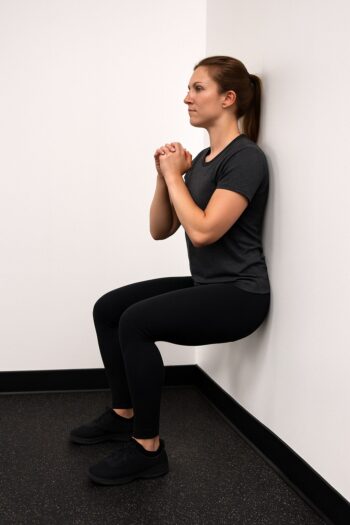
Isometric holds — such as wall sits or split squat holds — help build protective stiffness in specific positions.

3. End-Range Strength Training

Athletes with hypermobility often have extreme ranges of motion. But can they control those ranges? Strengthening at the end of a joint’s range (such as the shoulder in overhead positions) helps protect against dislocations and injuries where the joint is most vulnerable.

Signs You May Benefit from Physical Therapy for Hypermobility

You may want to seek out a physical therapist if you:

  • Experience joint pain in multiple areas
  • Notice your knees, elbows, or fingers hyperextend past straight
  • Have a history of recurrent sprains or dislocations
  • Feel like your joints “give out” during activity
  • Want to safely improve performance in a sport that demands extreme mobility

Hypermobility isn’t always a problem — in fact, it can be a real advantage in the right sport. But without strength and stability, it can quickly become a source of pain and injury.

At Cohen Health and Performance, we specialize in helping athletes and active adults with hypermobility build strength, develop protective stiffness, and optimize performance. Whether you’ve been diagnosed with a hypermobility-related condition or you’ve simply noticed your joints feel “too loose,” we can create a personalized physical therapy and strength training program to help you stay healthy and strong.

If you’re ready to take control of your hypermobility, contact us today to schedule an evaluation.

Still Struggling with Knee Pain? Why Physical Therapy May Be the Missing Link

At Cohen Health and Performance, we recently worked with an athlete who came to us months after injuring his knee during a workout at the gym. After seeing his doctor, he was told there was nothing structurally wrong—no damage on imaging, no major red flags. The advice? Take a couple of weeks off and slowly return to exercise.

Fast forward several months, and he was still modifying workouts and struggling with lingering pain and frustration.

Sound familiar?

This scenario is incredibly common—especially among active individuals dealing with chronic knee pain. Whether you’re a weekend warrior, a gym enthusiast, or a competitive athlete, you may have been told to rest, stretch, or foam roll your way out of pain. And yet, the discomfort persists.

Why Traditional Approaches Often Fall Short

Most general advice focuses on reducing symptoms—not solving the root cause. Many rehab programs stop as soon as pain decreases or when daily activities become tolerable again. But for those who want to lift heavy, sprint, or change direction on the field, this simply isn’t enough.

Effective therapy for knee pain needs to go beyond the basics. It should train your knees to handle the specific stresses of your sport or activity.

For example, sports that involve cutting and multidirectional movement place your knees in angled, high-force positions. If your rehab never prepares you for those forces—if your shin is never loaded at those angles during training—you’re setting yourself up for continued breakdown.

The Importance of Load-Specific Training

To truly recover and thrive, the tendons and muscles around the knee—especially the patellar tendon and quad tendon—must be reconditioned to tolerate the demands of real movement. Whether you’re jumping, landing, or squatting under load, your knees must be gradually exposed to the stresses they’ll face in the real world.

That’s why our rehab process includes drills and exercises tailored to your goals. Below is an example from our specialist, Dr. Cat, demonstrating exercises that teach the knee how to absorb and produce force under real-world conditions.

By gradually increasing load and focusing on the angles and demands of your sport, we prepare the knee—and the entire lower body—to handle life beyond the treatment table.

Don’t Let Knee Pain Linger

If you’ve been dealing with chronic knee issues, tried resting, icing, stretching, or following online exercise videos with no real progress, it’s time to dig deeper. At Cohen Health and Performance, we take a comprehensive look at your movement patterns, strength, mobility, and sport-specific demands to uncover why your knee pain persists—and how therapy for knee pain in Bethesda can fix it for good.

We don’t just want to help you feel better.

We want to get you back to training, competing, and living life without limitations.

Ready to Get to the Root of Your Knee Pain? 
Contact us today to schedule a comprehensive evaluation and find out how therapy for knee pain can help you move better, feel stronger, and finally leave knee pain behind.

How Isometric Exercises Can Boost Your Physical Therapy Success

If you’ve been through physical therapy with us at Cohen Health and Performance — especially after an injury like a tendinopathy or surgery — there’s a good chance you’ve experienced the power of isometric exercises firsthand.

Isometric exercises are a unique and valuable tool we often incorporate into the rehabilitation process. Unlike traditional exercises where muscles actively lengthen or shorten, isometric drills involve maintaining a static position. The muscle remains engaged without changing length, helping it work safely and effectively during early stages of healing.

While these exercises can be surprisingly challenging, one of their biggest benefits is that they’re gentle on healing tissues. This makes them an ideal starting point for anyone recovering from soft tissue injuries like patellar tendonitis, Achilles strains, calf strains, or even surgical repairs. However, as with any aspect of physical therapy, it’s crucial that these exercises are only performed when appropriate for your specific injury.

Why Are Isometric Exercises Important in Physical Therapy?

Isometric drills offer several key benefits during the rehabilitation process:

  • Reduced Pain Sensitivity:
    Research shows that isometric exercises can help decrease pain around an injury. For many patients, this makes it easier to start moving again confidently and safely.
  • Muscle Strength Preservation:
    When other forms of exercise aren’t possible due to injury limitations, isometric holds can help maintain muscle strength, preventing significant deconditioning during the recovery phase.
  • Joint Angle Specificity:
    The strength gains from isometric exercises are specific to the joint angles in which they are performed. That’s why, in physical therapy, we tailor isometric drills to match the needs of each patient — whether you’re a gymnast requiring deep flexibility or a football player needing powerful joint stability.
  • Improved Joint Stiffness:
    Building joint stiffness is vital for high-performance activities like running, cutting, and jumping. Isometrics play an important role in rehabilitating injuries to structures like the Achilles tendon, calf muscles, and more.

How We Use Isometrics at Cohen Health and Performance

Here’s a look at two isometric drills we commonly use in our physical therapy programs:

  1. Wall Sit with Heel Raise:
    In this variation, the patient performs a wall sit while staying high up on their toes. This position strengthens the calf and Achilles tendons in a shortened position, while also loading the patellar and quadriceps tendons — critical areas for knee health.
  2. Isometric Split Squat Hold:
    When appropriate, we add a split squat hold to further strengthen the Achilles, calf, and knee tendons. This drill also builds valuable foot and ankle stiffness, setting the foundation for more dynamic athletic movements later in rehab.

We adjust the frequency and intensity of these drills depending on how sensitive the injured tissue is, ensuring that patients progress safely through their rehab journey.

Isometric Drills Are Just One Piece of the Puzzle

While isometric exercises are powerful, they’re most effective when combined with dynamic drills — exercises where the muscles lengthen and shorten through full ranges of motion. A well-rounded physical therapy program will gradually transition patients from static strength work to dynamic, sport-specific movements to ensure a full and confident return to activity.

If you’re currently dealing with a soft tissue injury like tendinitis, a calf strain, an Achilles injury, or even an upper body strain like a pec or bicep tear, we’re here to help. Our expert team can design a customized rehabilitation plan that helps you heal effectively and get back to the activities you love.

Need Help with Your Recovery?

At Cohen Health and Performance, we specialize in helping active individuals recover from injuries through expert-guided physical therapy and performance programs.

Contact us today to schedule an appointment or learn more about how we can help you!

×