Core Training Reimagined


When I create training programs for our physical therapy or performance training clients here at Cohen Health and Performance, one of the most common requests I hear is, “Hey Zac, can you add more core training?” Or, “Can you give me a core circuit to put into my routine?”

But here’s the thing: Most of us don’t train our core as effectively as we could—at least not in a way that matches how our core is designed to function. Let’s rethink core training together.

What Does Your Core Really Do?

Your core—your trunk—is so much more than just a six-pack waiting to be revealed. Its primary function is to manage internal pressure and support your body against gravity. Think of it as your body’s central stability system.

To help you visualize this, imagine the iconic wacky waving inflatable tube man you see outside car dealerships. That tube man is held up by air pressure. If you fill it with maximum pressure, it stands tall and firm. But if you let some air out, it becomes more flexible and moves with the wind. Let out too much air, and it collapses entirely.

Your core operates in a similar way. When you need maximum stability—like lifting a heavy object—you brace hard to build internal pressure, stabilizing your spine and supporting the load. On the flip side, for everyday activities, you rely on just enough core engagement to keep you upright and mobile, without overexerting yourself.

Core Training: Beyond Crunches and Planks

So, how does this translate into smarter core training? It starts with understanding that the core’s role goes beyond traditional exercises like crunches or static planks. Instead, think of your core as a dynamic stabilizer, adapting to different demands in sport, exercise, and daily life.

During physical therapy or performance training at Cohen Health and Performance, we focus on exercises that challenge the core’s ability to:

  1. Reposition the pelvis. For example, certain drills help align the pelvis in an optimal position for athletic performance or functional movement.
  2. Maintain pressure and support the spine. Exercises like the body saw are excellent for this. The body saw challenges your abs to prevent your belly from sagging toward the ground—a movement gravity constantly encourages. The stronger your abs, the better they counteract this pull, giving your spine the support it needs.
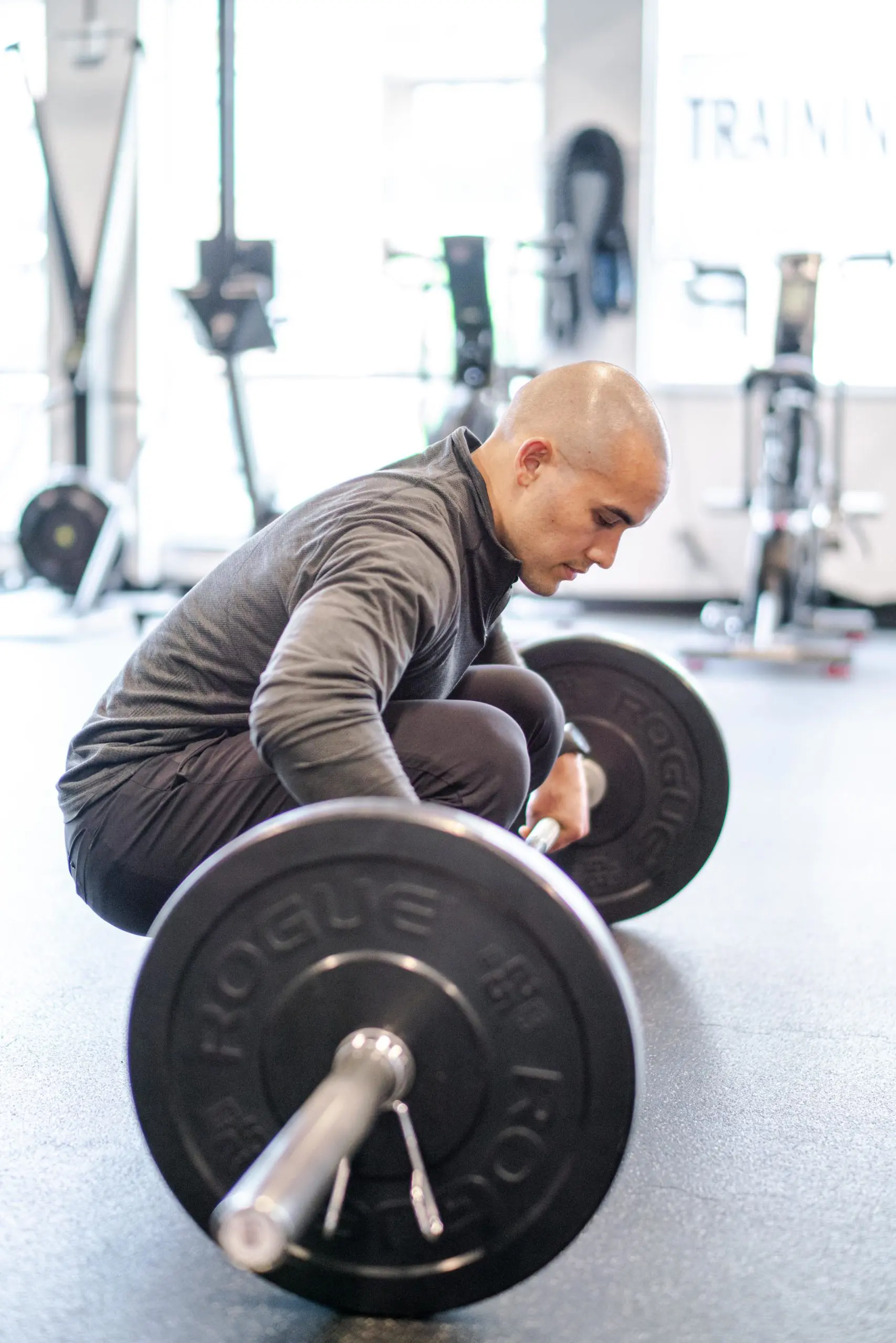
  3. Engage during full-body movements. Did you know that a perfectly executed squat or deadlift can give your abs a serious workout? Core engagement is critical during these exercises to stabilize your trunk and prevent injury.

One of the biggest mistakes I see in gyms is improper technique during “core” exercises. For example, take the plank. Many people let their belly sag toward the ground, leaning on their lower back for support instead of engaging their abs. Over time, this can lead to discomfort and even injury.

Proper core training requires awareness of your body’s position and the intent behind each movement. That’s why we incorporate a variety of drills in our programs—not just for the sake of variety but to train the core in ways that reflect its real-life function.

Ready to Elevate Your Core Workouts?

If you’re looking for inspiration, check out the exercises on our YouTube page. You’ll find everything from pelvis-positioning drills to challenging moves like the body saw. And remember, core training isn’t just about isolating your abs. It’s about integrating them into your movements—squats, deadlifts, and even overhead presses can be incredible core exercises when done correctly.

So, the next time you think about adding core work to your routine, ask yourself: Am I training my core to look good, or am I training it to function well? The best part? You don’t have to choose one or the other. With intentional training, you’ll get both.

Let’s build that pressure, stabilize that spine, and transform the way you think about core training.

What Stretch Should You Be Doing?

Ten years ago, flexibility and stretching were all the rage, as well as a large component of the standard course of treatment in sports physical therapy. Many people had stretching in their daily routines, either as an athlete being told to stretch before and after practice from a coach, in a yoga studio by an instructor, or by a physical therapist in order to decrease pain. Now, the phrase “mobility” has been posted everywhere. “How to increase hip mobility to help improve your deadlift”, “Stretching Routines for Runners” and “is your ankle mobility plateauing your squat depth?” headlines can be seen from instagram and tiktok to google ads. But what is the difference between the two? Are they the same thing? What happened to the importance of stretching?

For starters, stretching or flexibility is the ability for a person to get into a position passively keeping one joint in mind. So if you want to bend down, are your hamstrings flexible and stretched out enough for you to touch your toes? To improve your flexibility, you stretch or lengthen your muscles to be able to achieve a goal.

On the other hand, mobility is the amount of active movement you have to reach a goal. For example with the “is your ankle mobility plateauing your squat depth” headline, can your ankle move enough and allow you to achieve a lower squat at your knees and your hips? To improve mobility, you typically need to target the joint itself, rather than the muscle tightness limiting a movement in stretching, in order to create more space for the bones to move on each other.

So how do you know if you cannot touch your toes due to muscle limitations, like in flexibility restrictions, or due to mobility issues? Like most questions in the physical therapy world, the answer is it depends. Physical therapists have a series of tests that can determine if the joint is unable to achieve a desired position due to muscle stiffness, joint tightness or an inability to control the motion that the body already has.

Below is an assessment and exercise that we use for many of our patients experiencing back pain. This helps us to determine the movement capabilities of the spine, including where it may be moving too much and/or not enough.

Once you figure out where your limitations are coming from, it is time to determine if you need to improve them. While these are hard questions to answer in a blog post, this is something that a physical therapist can help you distinguish by using various tests.

If this sounds like something you are interested in learning more about, contact us to receive a customized exercise program to improve either your flexibility or mobility (or both!).

How Our Physical Therapists Coach Squats for People with Low Back Pain

Did you know that experts estimate up to 80% of the population will experience back pain at some time in their lives.

The sports physical therapy patients that we often assume that they no longer can perform common weight training exercises like squats.

However this is not the case. People experiencing lower back can continue to perform these exercises however may require the help of a performance physical therapist to learn how to most effectively do so.

Check out the video below to see how I coach squats for our physical therapy patients experiencing lower back pain.


Is Your Doctor (or physical therapy clinic) Taking Care of You?

Recently, I joined my mother-in-law for a visit to a physician’s office.

The physician she saw has a solid reputation and is known as a “go-to” expert in his field.

During the visit he spent a total of 5 minutes with my mother-in-law, glossing over test results and providing very brief recommendations.

He appeared to be speaking as fast as he could so that he could finish the visit and to get to his next patient. After his rushed explanation, we attempted to ask questions, which he answered while backing out of the room.

Sadly, experiences like this are very common in the world of healthcare and I do not blame the healthcare providers because they oftentimes are not left with much of a choice.

The health insurance industry consistently reduces reimbursement to health care providers, forcing them to schedule more patients within a fixed time period. As a result, the quality of care suffers, and everything becomes less personalized.

This also occurs in physical therapy, forcing many clinicians to resort to “cookie cutter” protocols.

If you go to Physical Therapy because of lower back pain then you get put on the lower back pain protocol, shoulder pain=shoulder protocol, etc.

Many times, this works, however, it is not the best choice for those looking to live an active, pain free, and healthy life.

For this reason I typically seek out practitioners that are out of network with health insurance as it enables them to provide me with the highest quality of care possible. In this approach I am treated like an individual and I get to ask all the questions that I would like so that I can a better understanding of my health.

We are out of network providers here at Cohen Health and Performance. We strive to get the best possible results for our patients in the least number of visits, while also providing the education necessary to prevent future issues from occurring.

People can feel better, move better, and enjoy an active lifestyle.  Our mission at CHP will always be to take the best possible care of our patients and that is why we are out of network with health insurance.

Interested in learning more about how this approach can help you? Contact us here!

Why Are You Bench Pressing?

How often do you stop and think about how you want to perform an exercise and if that is conducive to your goals?  Our physical therapy patients here in Bethesda often have the goal of learning to train without pain or discomfort. Training clients, most concerned with sports performance may have goals that include becoming stronger, faster, or building muscle mass.

There is not always a “correct” way to perform every exercise.⁣ Let’s take the bench press as an example.

Depending on your goals and capabilities, you may want to play around with the angle of your arms when bench pressing.⁣

Is your goal to build big pecs? Perform the lift with the arms closer to 90 degrees and do not allow the arms to drift past the body as you can see in the video here.

Do you want to lift more weight while keeping your shoulders and lower back healthy? If so, perform this lift with the arms closer to 45 degrees to take the stress off the front of the shoulders. Check out this bench press variation here.⁣

This is just one of many exercises that can be altered to change the focus.

The key is being clear on the outcome that you have in mind!⁣

Image Source

Bench Press” by A. Blight is licensed under CC BY 2.0.

A different form of shoulder strength

Building Shoulder Strength in End Ranges: How Physical Therapy Can Prevent Injury

Many shoulder injuries that bring athletes to physical therapy are the result of overuse or instability when the shoulder reaches its end range of motion. Whether you’re lifting weights, throwing a ball, or performing overhead movements, your shoulder is vulnerable when pushed to its limits.

It’s common to assume that the solution to these issues lies in increasing flexibility through stretching and mobility drills. While flexibility is important, it’s only part of the equation. The real issue often lies in a lack of strength and stability when the shoulder is in these extreme positions.

Why Strength at End Range Matters

When the shoulder reaches its end range of motion—whether during an overhead press, a throw, or any extreme movement—your muscles can’t generate the same amount of force as they can when the shoulder is in a more neutral position. This weakness leaves the shoulder joint less stable and more prone to injury.

Without the ability to control the joint at these extreme ranges, you’re at an increased risk of instability-related injuries such as shoulder dislocations or subluxations. Over time, these challenges can lead to wear and tear on the shoulder joint, causing issues like rotator cuff tears, labral injuries, or impingement syndromes.

However, there’s good news! By incorporating targeted physical therapy exercises, you can train your shoulder to be strong even in these vulnerable positions. Strengthening the muscles that support the shoulder at end range can significantly reduce your risk of injury and improve your overall performance in sports and daily activities.

Strengthening the Shoulder in End Ranges with Physical Therapy

At its core, physical therapy is about improving movement quality and building strength where it’s needed most. For athletes and active individuals, this often means focusing on increasing shoulder stability in the ranges of motion where injuries are most likely to occur.

Here’s where physical therapy really shines—helping you develop strength at the edges of your mobility. Instead of simply increasing flexibility, we work to build strength and control in these end ranges. This approach not only enhances performance but also prevents injuries by ensuring that your muscles can stabilize the shoulder joint in even the most extreme positions.

PAILs and RAILs in Shoulder Rehab

One of the best ways to strengthen the shoulder at end range is through Progressive Angular Isometric Loading (PAILs) and Regressive Angular Isometric Loading (RAILs) exercises. These exercises involve applying tension to the muscles in both their stretched and shortened positions, helping to increase both flexibility and strength in end ranges.

For example, Shoulder Flexion PAILs with a Lift Off Challenge and Shoulder External Rotation PAILs with a Lift Off Challenge are highly effective exercises for targeting the muscles that stabilize the shoulder when it’s in its most extended and rotated positions. These exercises focus on developing strength while the joint is near its limit of movement, allowing for greater control and reducing the likelihood of injury.

I recently demonstrated these drills to a group of CrossFit athletes, who need exceptional shoulder strength and stability to lift heavy weights overhead and perform complex movements. However, you don’t need to be a CrossFit athlete to benefit from these exercises. Whether you’re involved in overhead sports like swimming, tennis, or volleyball, or simply want to improve your shoulder health, these exercises are fantastic for anyone looking to build strength and prevent injuries.

Exercises to Try:

1. Shoulder Flexion PAILs with a Lift Off Challenge


2. Shoulder External Rotation PAILs with a Lift Off Challenge


Why Physical Therapy is Key for Shoulder Health

Incorporating these types of exercises into your routine can dramatically improve your shoulder strength and stability, particularly in those vulnerable end ranges of motion. Working with a physical therapist ensures that you’re doing the exercises correctly and progressively, so you can safely build strength without putting your joint at risk.

A physical therapist will assess your specific needs, tailoring exercises to your unique shoulder mechanics and helping you regain control over your movements. With proper guidance, you can significantly reduce your risk of injury and improve your overall performance in your sport or daily life.

Ready to Strengthen Your Shoulders and Prevent Injury?

If you’re experiencing shoulder pain or instability, or if you want to improve your strength in end ranges of motion, physical therapy can help. Contact us today to learn how a tailored treatment plan can get your shoulders strong, stable, and ready for anything life or sport throws your way!

×