Meet our newest Performance Physical Therapist, Dr. Renee Beck!

I am thrilled to introduce you to the newest member of the Cohen Health and Performance team, Dr. Renee Beck. Dr. Beck is a native of the DMV area and is not someone to mess with! With over ten years of martial arts experience, she has achieved the rank of second-degree black belt in Tae Kwon Do. This discipline and dedication translate seamlessly into her approach to physical therapy.

Dr. Beck’s mantra, “Movement is medicine,” drives her passion for helping others stay active and pursue their passions. This philosophy underpins her dedication to guiding patients through every step of their rehabilitation journey. Whether recovering from an injury or seeking to optimize performance in sports, Dr. Beck is committed to seeing you thrive. Her extensive experience in martial arts not only demonstrates her physical prowess but also her understanding of the importance of movement and agility, both of which are crucial elements in physical therapy.

Physical therapy plays a critical role in maintaining and restoring movement and function when someone is affected by injury, illness, or disability. Dr. Beck’s unique background equips her with the skills and knowledge to provide exceptional care. Martial arts training involves a high level of physical conditioning, discipline, and an understanding of body mechanics—all of which are essential components of effective physical therapy. Dr. Beck leverages her martial arts experience to offer a holistic approach to physical therapy, ensuring that her patients receive comprehensive care tailored to their individual needs.

At Cohen Health and Performance, we understand that every patient is unique, and their physical therapy needs vary. Dr. Beck’s approach to physical therapy is not just about addressing the symptoms but also about identifying and treating the underlying causes of pain and discomfort. Her goal is to help patients regain their strength, improve their mobility, and enhance their overall quality of life. By focusing on movement as a form of medicine, Dr. Beck empowers her patients to take an active role in their recovery process.

Physical therapy is not only about rehabilitation but also about prevention. Dr. Beck is dedicated to educating her patients on how to prevent future injuries and maintain optimal physical health. She works closely with her patients to develop personalized exercise programs that promote strength, flexibility, and endurance. These programs are designed to help patients achieve their health and fitness goals while minimizing the risk of injury.

We are excited for you to meet Dr. Beck and experience her exceptional physical therapy skills firsthand. If you have been dealing with an injury that you have been ignoring, now is the perfect time to address it. Take advantage of this limited-time opportunity for a FREE 30-minute consultation with Dr. Renee Beck at our McLean location. During this consultation, Dr. Beck will assess your condition, discuss your goals, and develop a personalized treatment plan to help you achieve optimal health and performance.

Physical therapy is an invaluable resource for anyone looking to improve their physical well-being. Whether you are an athlete looking to enhance your performance, someone recovering from surgery, or an individual dealing with chronic pain, physical therapy can help you achieve your goals. Dr. Beck’s expertise and dedication make her an invaluable addition to the Cohen Health and Performance team.


Sleep and Physical Therapy

The Crucial Role of Sleep in Injury Recovery

Recovery may not always be the most thrilling topic, especially when compared to the countless “recovery hacks” circulating on social media. A quick glance at Instagram or Twitter reveals a flood of advice, from specialized supplements to elaborate workout routines. While some of these tips can be helpful, they often overlook the most essential aspect of recovery.

For instance, many supplements are marketed with promises of speeding up recovery between workouts. Yet, there is one recovery tool so vital that, without it, all other efforts may fall short: sleep.

The Science Behind Sleep and Recovery

Understanding why sleep is so crucial for recovery requires a dive into the science. Sleep isn’t just a passive state; it’s a dynamic process during which the body undergoes critical repair and regeneration. Here’s a link to an article from the National Institutes of Health if you want to learn more!

Tissue Repair and Growth

During deep sleep, the body releases growth hormone, essential for tissue repair and muscle growth. This process enhances protein synthesis and cell division, both of which are vital for healing injuries and building strength. Research shows that those who get enough sleep experience better muscle repair and growth compared to those who don’t, highlighting the importance of sufficient rest in both physical therapy and performance training.

Inflammation Reduction

While inflammation is a natural response to injury, chronic inflammation can hinder recovery. Studies indicate that sleep helps lower inflammation markers in the body. On the other hand, poor sleep can raise these markers, prolonging recovery times. By prioritizing quality sleep, you can help your body better manage and reduce inflammation, a key factor in both physical therapy and performance training.

Immune System Support

A strong immune system is crucial for warding off infections and speeding up the healing process. A good night’s sleep bolsters the immune system, making it more effective at combating pathogens. Research shows that sleep deprivation can impair immune function by up to 70%, significantly slowing down recovery from injuries. This immune support is particularly important for those undergoing physical therapy or performance training.

Pain Management

Adequate sleep also plays a significant role in pain management. Studies have shown that people who get enough sleep report lower pain levels and faster healing. Conversely, just one night of poor sleep can reduce pain tolerance by 15-30%. By making sleep a priority, you can lower pain sensitivity and improve your body’s ability to manage pain, which is crucial in physical therapy and performance training.

Mental Health and Recovery

Mental health is often an overlooked component of physical recovery. Sleep is vital for maintaining mental well-being, which directly affects physical healing. Good sleep enhances mood, reduces anxiety, and helps sustain motivation throughout the recovery process. By ensuring adequate rest, you equip both your mind and body to be in the best condition for healing, essential for anyone involved in physical therapy or performance training.

Key Statistics on Sleep and Recovery

The benefits of sleep for recovery are supported by compelling data:

– Athletes who sleep 8+ hours a night have a 68% lower risk of injury, illustrating the protective effects of sleep in performance training.
– Chronic sleep deprivation can delay wound healing by up to 20%, underscoring the critical role of sleep in timely recovery during physical therapy.
– Just one night of poor sleep can lower pain tolerance by 15-30%, making injuries feel more severe and prolonging the recovery process, impacting both physical therapy and performance training.

These statistics highlight the necessity of prioritizing sleep, especially when recovering from injuries.

Prioritizing Sleep for Optimal Recovery

Given the critical role that sleep plays in recovery, it’s essential to prioritize it. Here are some practical tips to help improve your sleep quality:

1. Establish a Routine: Try to maintain a consistent bedtime and wake-up time every day, even on weekends. This consistency helps regulate your body’s internal clock.
2. Create a Sleep-Friendly Environment: Ensure your bedroom is cool, dark, and quiet. Consider blackout curtains and a white noise machine if necessary.
3. Limit Screen Time Before Bed: The blue light from phones and computers can interfere with your sleep. Aim to avoid screens for at least an hour before bedtime.
4. Watch Your Diet: Avoid heavy meals, caffeine, and alcohol close to bedtime, as these can disrupt your sleep cycle.
5. Stay Active: Regular physical activity can help you fall asleep faster and enjoy deeper sleep. Just be careful not to exercise too close to bedtime.

Sleep is the cornerstone of recovery. While supplements and other recovery hacks can be helpful, they cannot replace the fundamental need for quality rest. By prioritizing sleep, you can create the optimal conditions for your body to repair, regenerate, and recover from injuries. Whether you’re in physical therapy or focused on performance training, sleep is your best ally. Make it a priority and witness the transformation in your recovery journey.

Cold plunges in physical therapy; worth it?

A few months ago, while on vacation, I was surprised and excited to find that our hotel had a cold plunge. Every morning, I would brave the cold temperatures for 10 minutes, feeling refreshed and ready for the day as soon as I got out. The invigorating chill seemed to shake off any lingering drowsiness, leaving me energized and mentally clear.

The Search for a Home Cold Plunge

When I got home, I found myself researching how I could have a cold plunge at home. I was determined to recreate that sense of vitality and well-being I experienced during my vacation. My initial search led me to various options, from high-end cold plunge tubs to DIY solutions involving stock tanks and ice. However, amidst this enthusiasm, I felt it was essential to investigate whether cold plunging genuinely works or if the benefits I felt were simply a result of the placebo effect.

Cold Plunges in Physical Therapy and Performance Training

If you follow any athletes, fitness influencers, or people in the health/wellness space, you have likely heard someone touting the benefits of cold-water immersion. Ice baths are often claimed to aid recovery by reducing inflammation, relieving sore muscles, and supporting immunity and mental health. These assertions intrigued me, prompting a deeper dive into the science behind cold plunging and its role in physical therapy and performance training.

The Theories Behind Cold Plunging

There are a variety of theories to support why cold plunging might be beneficial. Here are three of the more common ones:

1.  Fluid Shifts: When the body is immersed in cold water, fluid moves away from muscles and inflamed or sore tissues into the circulatory system to be pumped away. This shift can potentially reduce swelling and speed up recovery, making it a valuable tool in physical therapy.

2. Cardiac Assistance: As fluid moves from inflamed tissues into the bloodstream, more blood is pumped into the heart. This increased blood volume helps the heart pump more efficiently, moving nutrients throughout the body faster and aiding in muscle repair and recovery, which is crucial for performance training.

3. Psychological Benefits: The soothing effect of cold water immersion can reduce the perception of fatigue, helping the mind stay sharp. The shock of cold water may also trigger the release of endorphins, improving mood and overall mental health, which can enhance both physical therapy and performance training outcomes.

The Evidence: Placebo Effect or Real Benefits?

On the surface, scientific theories such as these make sense, and recent trends suggest potential benefits. However, the research surrounding ice plunges remains inconclusive and has yet to prove that it provides notable benefits beyond the placebo effect. Studies show mixed results, with some indicating minor benefits in recovery and mental clarity, while others find no significant difference compared to other recovery methods used in physical therapy and performance training.

My Decision

So, what did I end up doing? I did not get a cold plunge. As the husband of a scientist, I would have had a hard time justifying an ugly tub sitting in the backyard without any solid evidence to back it up! My wife’s scientific rigor rubbed off on me, and I decided that more evidence was needed before making such an investment.

This isn’t to say you shouldn’t do an ice plunge. If you feel better after, and don’t have cardiovascular or other risk factors, go for it! Anecdotal evidence from athletes and wellness advocates can’t be completely dismissed, especially if you experience tangible benefits in your physical therapy and performance training routines.

Final Thoughts

Reflecting on my cold plunge journey, I realize that personal experiences and scientific evidence both play crucial roles in health and wellness decisions. While science provides a foundation of understanding, individual responses can vary. If cold plunges make you feel invigorated and aid your recovery, they might be worth incorporating into your physical therapy and performance training routine. Just remember to listen to your body and consult with a healthcare professional if you have any underlying health conditions.

For now, I’ll stick to other proven recovery methods like proper hydration, nutrition, and sleep. But who knows? If future research provides more conclusive evidence, I might just reconsider and take the plunge once more.

Sports physical therapists can never assume

In our roles as sports physical therapists in McLean and Bethesda, we must be sure that athletes are fully ready to return to sport before finishing the physical therapy process. Otherwise, there is a high likelihood of re-injury.

Instead of relying on mere optimism and hope, we do everything possible to objectively ensure athletes are safely returning to the field. That’s why we leverage cutting-edge technology that provides precise insights into the capabilities of the physical therapy patients that we work with.

One of the muscles that we measure using this technology is the soleus muscle., a powerhouse in the lower leg that’s often overlooked during the sports physical therapy process. You might know it as one of the two calf muscles, and it’s a game-changer for athletes who sprint, run, or jump. Why? Because it’s the muscle that propels you forward, generating force through your foot and ankle.

When you’re active, your soleus muscle can handle up to six times your body weight! That’s a lot of stress, and it’s why injuries like muscle strains, ankle sprains, Achilles tendinopathy, or even post-ACL reconstruction issues often involve the soleus.

Studies show that athletes should generate 1.5 to 2 times their body weight per leg in an isometric test. It’s not just about recovery; it’s about understanding your body’s capabilities and pushing the limits safely.

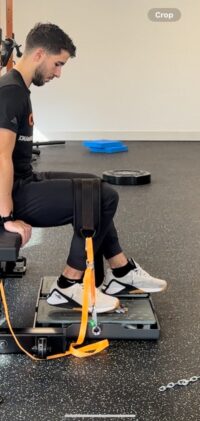
Below is a picture of Dr. Sam Kinney using our force deck technology to measure the force generation capabilities of his soleus muscle. The sensors within the plate underneath his foot is measuring exactly how much force he is expressing through it.

By integrating these sophisticated testing methods, we can paint a complete picture of calf and soleus strength. This insight allows us to spot weaknesses, tailor rehab strategies, and reduce the risk of future injuries. Ultimately, it’s about enhancing athletic performance in a way that’s both smart and effective.

Whether you’re an elite athlete or someone passionate about staying fit, understanding, and strengthening your soleus muscle is essential to unlocking your full potential.

If you are interested in learning more about how our sports technology can reduce your injury risk or help you recover from a current injury, contact us today!

Is sitting the new smoking? Probably not. Physical therapist guest post!

Check out this awesome guest post by one of our amazing sports physical therapists, Dr. Samuel Kinney. Sam is a Doctor of Physical Therapy at our McLean, Virginia location. Enjoy!

-Zac

_______________________________________________________________

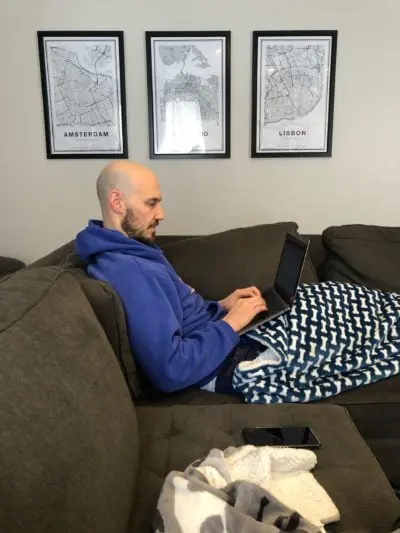
Many of our physical therapy patients grappling with lower back pain and hip discomfort find themselves stuck due to prolonged hours chained to their desks.

While some have experimented with sit-to-stand desks to break up static positions, this approach isn’t always effective. This strategy is rooted in the belief that sitting is a primary contributor to back pain, and standing will alleviate it.

However, scientific evidence doesn’t fully support sitting as a clear cause of back pain and an effective physical therapy recommendation. Claims circulating on the internet linking sitting to cardiovascular disease, diabetes, and cancer also lack conclusive backing.

If sitting isn’t the main culprit, what is? Scientific research suggests that a primary factor in back pain and related health issues isn’t excessive sitting but rather insufficient physical activity and exercise.

Those spending long hours seated at a desk without incorporating regular exercise tend to attribute their discomfort solely to sitting.

Let’s reframe the discussion. Sitting itself is not the problem, and it’s not equivalent to smoking. The real issue lies in the lack of activity and exercise during an 8-hour workday.

The solution I recommend is incorporating microbreaks or “movement snacks,” as I often mention to my patients. Many people adopt the Pomodoro Technique to enhance productivity. Essentially, you work for 25 minutes and then take a 5 minute break. Utilize those 5-minute breaks every 30 minutes or hour to move your body instead of staring at an Excel sheet.

These microbreaks should extend beyond merely stepping away from your workstation or engaging in casual conversations with your coworkers. They should involve activities that elevate your heart rate and promote joint mobility.

Here are some examples of microbreaks that we recommend to our physical therapy patients:

Boost your heart rate:

  • 1) Climb 3-5 flights of stairs.
  • 2) Perform 5 reps of body weight squats, toe touches, and glute bridges.

Get your joints moving:

By incorporating these short, targeted breaks into your day, you can reduce the impact of extended periods of sitting and promote overall well-being. Remember, it’s not about demonizing sitting but about maintaining a balance between sedentary work and physical activity.

This is why my physical therapy clients are tight

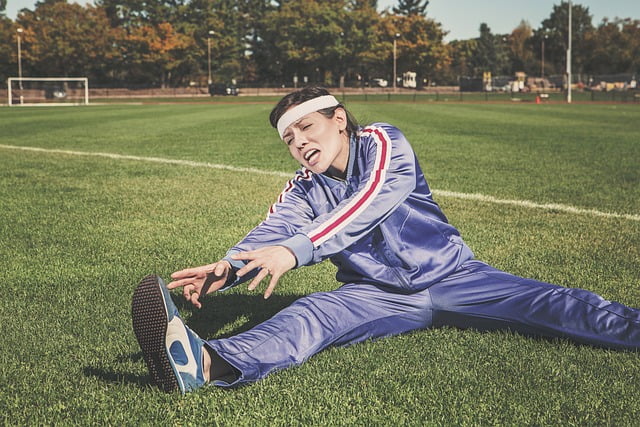
Are you one of those people have always had tight hamstrings, stiff hips, or struggled with your overhead shoulder mobility?

My sports physical therapy and performance training clients in McLean and Bethesda often report issues like this in addition to all the stretches they have tried to address them.

The problem with this approach is that the root cause of tightness often lies within the nervous systems response to our physical activities.

One extreme example comes from my interactions with NFL athletes. I observed a trend of mobility limitations, especially in ankle dorsiflexion (ability to bring the knees over the toes).

These top-tier athletes, whose routines predominantly involve sprinting and dynamic movements, rarely place their heels on the ground to fully lengthen the muscles on the backside of the lower leg. This continuous action results in a natural shortening of the calf muscles and Achilles tendons.

Here’s where the brain’s adaptive genius kicks in. To optimize performance, it creates stiffness in these muscles, producing a spring-like effect. This is a brilliant move for energy conservation and speed on the field. However, this adaptation, beneficial in high-intensity sports, can lead to an imbalance, pushing the body towards an extreme “all or nothing” movement pattern.

This, in turn, heightens the risk of injuries and reduces the body’s ability to perform a range of movements, outside their sport.

This principle isn’t just confined to athletes. Our brains adapt our mobility based on our routine activities. If we train repetitively in the same movement patterns, our mobility gets restricted in certain areas.

It’s crucial to train our bodies to be versatile, not just powerful, or efficient in a singular style.

In physical therapy, I emphasize the importance of integrating exercises that foster fluidity and ease of movement, rather than pushing the body to its limits constantly. Straining excessively or forcing every muscle to engage at once defeats the purpose of efficient movement.

Stretching alone isn’t the answer. The nervous system, a key player in movement patterns, can’t be simply overridden. The solution lies in addressing the root causes of these mobility restrictions.

Incorporating diverse, less strenuous exercises can retrain the brain and the body, allowing for a more balanced, injury-free physical state.  Examples include single leg drills like a posterior tap down or step ups.
It’s about teaching our bodies to move in multiple ways, not just the way we’re conditioned for a specific sport or activity. This holistic approach to sports physical therapy and performance training is essential for sustained, optimal performance, both on and off the field.

If you have a long history of tightness or injury, schedule an evaluation to determine how you can incorporate these principles into your training routine!

×